How to Choose a Healthy Candle: A Guide to Non-Toxic Waxes
Facts:
- Many conventional candles release volatile organic compounds (VOCs).
- A rising trend in home wellness is the demand for clean burning candle materials.
Decoding the Glow: What Truly Makes a Candle Healthy?
Choosing a candle is no longer just about picking a pleasant scent; it's about making a health-conscious decision for your home environment. Many people are unaware of how candles affect indoor air, releasing particles and compounds that can impact respiratory health. This guide will delve into the essential components of a healthy candle, from the wax to the wick, providing a clear roadmap. We will provide a thorough review where healthy candle ingredients explained are a central focus, empowering you to create a cozy ambiance without compromising your air quality. Understanding these elements is the first step toward a safer and more enjoyable experience.
Understanding Wax: The Foundation of Clean Burning Candle Materials
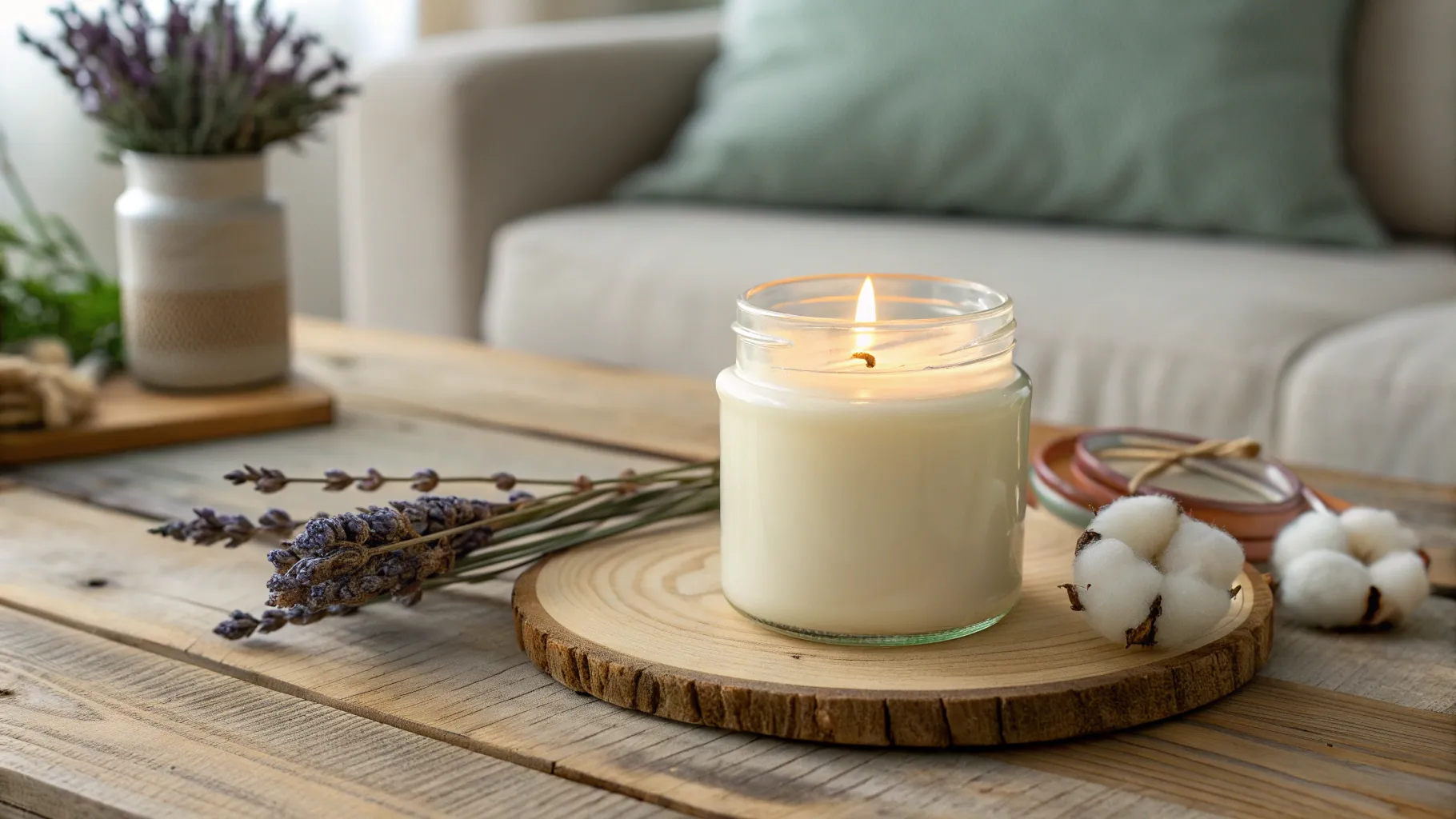
The wax is the heart of any candle, serving as the fuel for the flame. Its composition is the single most important factor determining whether a candle is healthy or not. For decades, paraffin wax—a petroleum byproduct—has dominated the market due to its low cost. However, burning paraffin can release toxic compounds into your home. This is why a shift towards non toxic candle wax types is crucial for health-conscious consumers. Natural waxes like soy, beeswax, and coconut wax are superior alternatives. Soy wax is a popular choice; it's a vegetable wax made from the oil of soybeans, is biodegradable, and burns cleaner and longer than paraffin. Beeswax is another excellent option, known for being a natural air purifier as it emits negative ions that neutralize pollutants. Coconut wax is a newer player but is celebrated for its clean burn and excellent scent throw. When searching for a healthy candle, always prioritize these clean burning candle materials over synthetic or petroleum-based options.
The Wick and the Fragrance: Healthy Candle Ingredients Explained
Beyond the wax, the wick and fragrance are critical components that influence a candle's health profile. The ideal wick is made from 100% cotton, hemp, or wood, as these materials burn cleanly without releasing harmful substances. It's vital to avoid wicks with a metal core, such as lead or zinc, which were once common and can release heavy metals into the air when burned. When it comes to fragrance, the distinction between synthetic fragrance oils and natural essential oils is significant. Many synthetic fragrances contain phthalates, chemicals used to make scents last longer, which have been linked to various health issues. For a truly healthy candle, look for those scented exclusively with pure essential oils. This is a key area where healthy candle ingredients explained becomes vital; a transparent company will always disclose the source of its scents. Choosing candles with natural wicks and fragrances ensures you are minimizing your exposure to indoor pollutants.
How Candles Affect Indoor Air Quality and Your Health
The ambiance of a lit candle is undeniable, but it's essential to understand how candles affect indoor air. When a candle burns, it undergoes combustion, releasing water vapor, carbon dioxide, and other microscopic particles into the air. Candles made from paraffin wax can release soot and volatile organic compounds (VOCs) like formaldehyde and benzene. These pollutants can aggravate conditions like asthma and allergies and contribute to poor long-term indoor air quality. In contrast, candles made from high-quality, clean burning candle materials like soy or beeswax produce significantly less soot and fewer toxins. Proper candle care, such as trimming the wick to 1/4 inch before each use, also plays a massive role in ensuring a cleaner burn. By understanding the science behind the burn, you can make informed choices that protect the air you and your family breathe.
Your Checklist for Choosing a Truly Healthy Candle
Navigating the candle market can be overwhelming. To simplify the process, use this checklist to ensure you're selecting a product that is both beautiful and safe. These guidelines focus on identifying key markers of quality and health-consciousness, helping you sift through misleading marketing claims.
- Check the Wax Type: Opt for 100% soy wax, beeswax, coconut wax, or a blend of these natural waxes. If the type of wax isn't listed, assume it's a paraffin blend. This is the most important of the non toxic candle wax types.
- Inspect the Wick: Look for wicks made of 100% cotton, hemp, or wood. Avoid any wicks with visible metal cores or those that aren't specified by the manufacturer.
- Analyze the Fragrance Source: Choose candles scented with 100% pure essential oils. Be wary of vague terms like 'fragrance oil' or 'parfum,' which usually indicate synthetic ingredients. This is where having healthy candle ingredients explained on the label is a sign of a trustworthy brand.
- Evaluate the Brand's Transparency: Does the company clearly list all its ingredients? Reputable brands are proud of their clean formulations and are transparent about what's in their products.
- Observe the Burn: A well-made candle should burn evenly and produce minimal smoke or soot. This is a practical test of its clean burning candle materials.
Frequently Asked Questions
Are soy candles truly better for your health?
Yes, soy candles are a significantly healthier choice. Unlike paraffin wax, which is a petroleum byproduct, soy wax is derived from vegetables and is a renewable resource. It burns cleaner, producing as much as 90 percent less soot than paraffin. This greatly reduces the indoor air pollution, making it a better option for people with allergies, asthma, or general concerns about how candles affect indoor air.
What are the worst ingredients to find in a candle?
The most concerning ingredients are paraffin wax, wicks with lead or other metal cores, and synthetic fragrance oils containing phthalates. These components can release carcinogens and other toxic VOCs when burned. Having healthy candle ingredients explained by the manufacturer is the best way to avoid these harmful substances and ensure you are buying a safe product.
How can I identify non toxic candle wax types?
Look for candles explicitly labeled as '100% soy wax,' '100% beeswax,' or '100% coconut wax.' Avoid labels that say 'wax blend' or 'paraffin blend' unless the other components are specified as natural. Truly non toxic candle wax types are plant-based or naturally derived, like beeswax, and are free from petroleum products.
References
- National Center for Biotechnology Information: 'Candle Soot as a Potential Source of Mercury in the Environment'
- Environmental Protection Agency: 'Indoor Air Quality (IAQ)'
- Journal of the American Oil Chemists' Society: 'Combustion characteristics of soy wax candles'
Authored by FreshLifeWire team