How to Choose a Healthy Candle: A Guide to Non-Toxic Ingredients
Facts:
- Paraffin wax can release known carcinogens when burned.
- A growing trend shows consumers demanding transparency in candle ingredients.
Decoding Your Candle: What's Really Inside?
Choosing a candle often comes down to scent and aesthetic, but the invisible components can significantly impact your home's environment. Understanding how candles affect indoor air is the first step toward making a healthier choice. Many conventional candles release volatile organic compounds (VOCs) and fine particulate matter, diminishing air quality. This guide will delve into the world of clean burning candle materials, helping you select products that create a cozy ambiance without compromising your well-being. We'll provide a comprehensive overview where healthy candle ingredients explained in detail, empowering you to shop with confidence.
The Foundation: Exploring Non Toxic Candle Wax Types
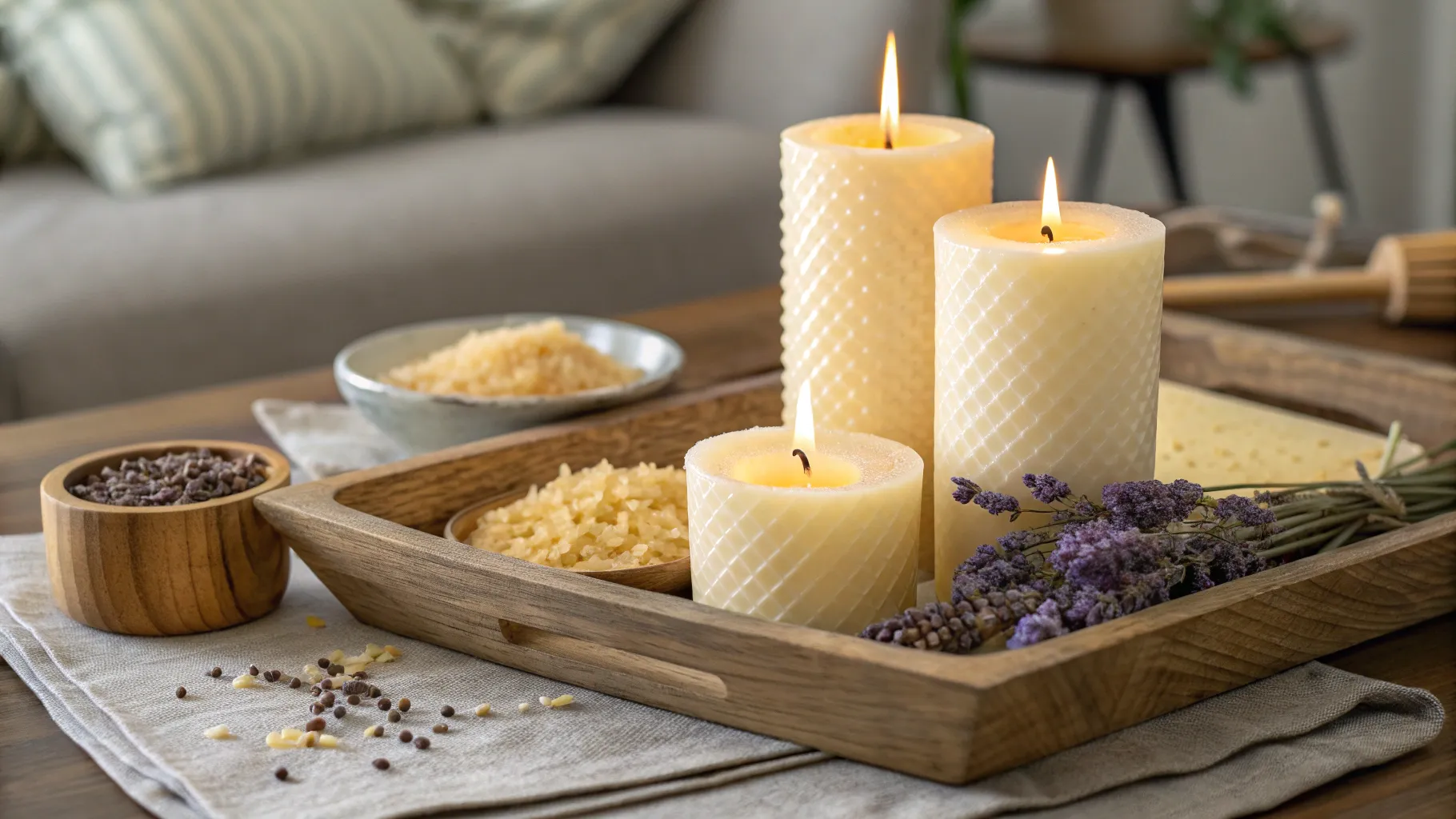
The wax is the heart of any candle, and it's the single most important factor in determining its health profile. The market is filled with options, but not all are created equal. Paraffin wax, a byproduct of petroleum refining, is the most common and cheapest option. However, when burned, it can release toxic compounds like benzene and toluene, which are known carcinogens. To avoid this, focus on non toxic candle wax types. Beeswax is a fantastic choice; it's all-natural, burns cleanly, and is even said to purify the air by releasing negative ions. Soy wax is another popular alternative, derived from soybeans, making it a renewable and biodegradable resource. It burns slower and cleaner than paraffin. Coconut wax is also gaining traction as a sustainable and clean-burning option, often blended with other natural waxes for optimal performance. Understanding these differences is crucial for anyone concerned about how candles affect indoor air.
The Wick Matters: Selecting Clean Burning Candle Materials
A detail often overlooked is the candlewick. The wick's material directly influences the burn quality and the emissions produced. The worst offenders are wicks with a metal core, particularly lead. Although banned in the United States since 2003, imported candles might still contain them. Lead exposure is highly toxic, especially for children. Always look for wicks made from 100% cotton, hemp, or wood. These are examples of clean burning candle materials that ensure a steadier, cleaner flame with minimal soot. A well-constructed wick will burn evenly and self-trim, preventing the 'mushrooming' that leads to excessive smoke and soot, which negatively impacts indoor air quality.
Fragrance Deep Dive: Healthy Candle Ingredients Explained
The scent is what draws most of us to a candle, but it's also where many hidden toxins lie. The term 'fragrance' or 'parfum' on a label can hide a cocktail of hundreds of synthetic chemicals, including phthalates, which are linked to endocrine disruption. When you want healthy candle ingredients explained, the scent source is paramount. Opt for candles scented exclusively with 100% pure essential oils. These are derived from plants and offer true aromatherapy benefits without synthetic additives. If a company uses fragrance oils, look for transparency. Reputable brands will specify that their fragrance oils are phthalate-free and safe for burning. Avoiding candles with vague 'fragrance' labels is a key strategy for improving your home's air quality.
Understanding How Candles Affect Indoor Air
Every time you light a candle, it releases microscopic particles into your home. The type and quantity of these particles depend entirely on the candle's composition. Paraffin candles are known to produce significant amounts of soot, which can be inhaled deep into the lungs and may even stain walls and furniture over time. This is a primary concern regarding how candles affect indoor air. Candles made with non toxic candle wax types and clean burning candle materials produce drastically less soot. Furthermore, proper candle care, such as trimming the wick to 1/4 inch before each use and avoiding burning candles in drafty areas, can significantly reduce soot production and ensure a cleaner burn, protecting the air you and your family breathe.
Your Checklist for Choosing a Healthy Candle
Navigating the candle aisle can be simple when you know what to look for. Use this checklist to make informed decisions that prioritize your health and the air quality of your home. By focusing on the right materials, you can enjoy the beauty and aroma of candles without worry.
- Check the Wax: Prioritize 100% soy wax, beeswax, or coconut wax. If the type of wax isn't listed, it's most likely paraffin. These are the best non toxic candle wax types available.
- Inspect the Wick: Ensure the wick is made of 100% cotton, hemp, or wood. Pinch the wick to ensure there is no metal core. This is fundamental for securing clean burning candle materials.
- Scrutinize the Scent: Look for labels that specify 'scented with essential oils' or 'phthalate-free fragrance'. This is where having healthy candle ingredients explained by the manufacturer is vital.
- Demand Transparency: Purchase from brands that are open about their ingredients and processes. Vague descriptions are often a red flag.
- Ventilate Your Space: Even when burning the cleanest candles, it's always a good practice to ensure proper ventilation to maintain good indoor air quality. This minimizes any potential impact from how candles affect indoor air.
Frequently Asked Questions
Are soy candles truly non-toxic?
Yes, candles made from 100% soy wax are considered non-toxic. Unlike paraffin, soy is a vegetable-based wax that does not release carcinogens like benzene or toluene when burned. It's a key example of the non toxic candle wax types recommended for a healthy home.
What are the worst ingredients to find in a candle?
The worst ingredients include paraffin wax, lead-core wicks, and synthetic fragrances containing phthalates. These components can release harmful toxins and soot, which is why understanding how candles affect indoor air is so important for consumers.
How can I tell if a candle has clean burning candle materials?
Look for explicit labeling. Reputable brands will proudly state that they use natural waxes like soy or beeswax, cotton or wood wicks, and essential oils or phthalate-free fragrances. A lack of information is often a warning sign. The best brands have their healthy candle ingredients explained clearly on their packaging or website.
References
- Environmental Protection Agency - Indoor Air Quality Division Reports
- Journal of Regulatory Toxicology and Pharmacology
- American Chemical Society - Studies on Candle Emissions
- National Candle Association - Industry Standards and Practices
Authored by FreshLifeWire team