How to Buy Seized Watches at Auction for Great Deals
How to Buy Seized Watches at Auctions
Buying seized watches has become increasingly popular amongst collectors and watch enthusiasts. Law enforcement agencies and government bodies seize watches during criminal investigations or financial failures, and these items can end up at public auctions. For many, the idea of obtaining high-end timepieces at a fraction of their retail value is exhilarating. In this article, we will walk you through the process of buying seized watches, from understanding auction eligibility to navigating the bidding process, ensuring authenticity, and following payment and pickup rules.
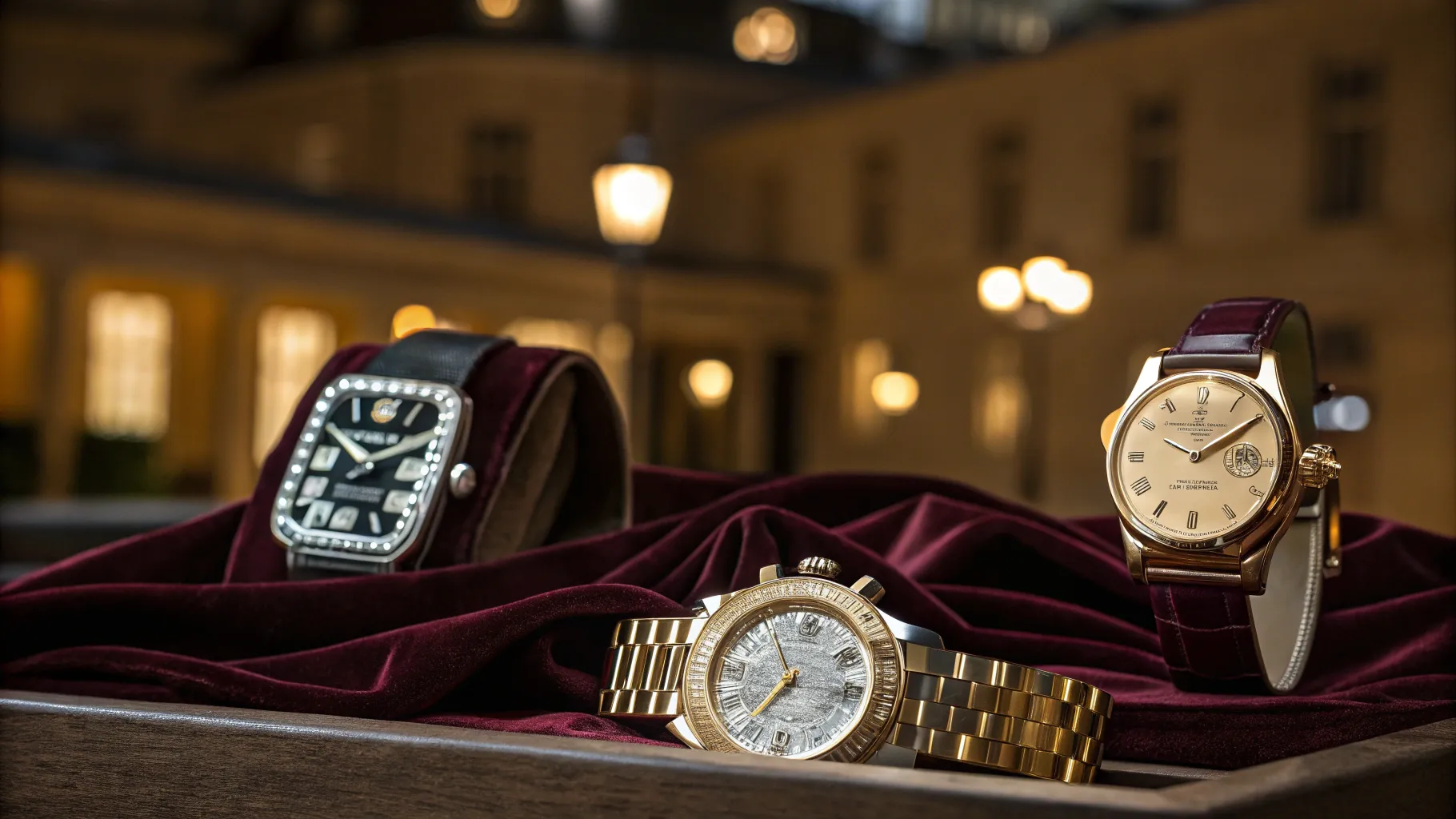
Understanding Auction Eligibility for Seized Watches
Before you can bid on seized watches, it’s vital to understand eligibility requirements. Most auctions set specific criteria for participation. Typically, you must be a legal adult, and some auctions may require pre-registration or identification verification.
- Pre-Registration: Some auctions require bidders to register online beforehand. This often includes providing personal information and confirming your identity.
- Identification: Bring appropriate identification, such as a driver’s license or passport, to the auction venue. Identity verification is crucial to prevent fraudulent activity.
- Payment Methods: Familiarize yourself with the accepted payment methods. Auctions often don’t accept cash and may require credit card information at the time of bidding.
In the last six months, more auction houses have adapted to digital technologies, enabling online bidding systems that allow buyers from around the world to participate. This development has enhanced accessibility and encouraged global competition, leading to more valuable watches being sold.
The Bidding Process
The auction environment can be exciting but intense. To successfully navigate the bidding process for seized watches, one must be prepared. Understanding how bids are placed can greatly influence your chances of winning your desired pieces.
- Starting Bid: Every watch starts with a minimum bid. Research similar watches beforehand to gauge what would be a competitive offer.
- Bidding Strategies: Decide whether you prefer aggressive bidding or a more conservative approach. Aggressive bidding can intimidate other bidders, while a steady strategy may allow you to assess competitors' max bids.
- Watch the Clock: Many auctions have strict time limits for each item. Be aware of how much time is left to place your bids and stay focused.
As of early 2025, the average sale price for high-end seized watches at auctions ranges from $3,000 to over $50,000, depending on the brand, model, and condition. Watches from luxury brands such as Rolex, Patek Philippe, and Audemars Piguet often feature prominently and attract significant interest.
Ensuring Authenticity of Seized Watches
Authenticity is the cornerstone of luxury watch purchases, especially when buying seized watches. As fraud becomes more sophisticated, it is paramount to establish the legitimacy of a watch before parting with your money. Here are some ways to confirm authenticity:
- Documentation Review: Auction houses typically provide documentation about the wristwatch, which can include certificates of authenticity and appraisals from trusted experts.
- Physical Inspection: Inspect the watch carefully. Look for engravings, serial numbers, and any specific features pertinent to the brand.
- Expert Consultation: If in doubt, consider consulting with a reputable watchmaker or expert. Their assessment can clarify the watch's authenticity.
Recent reports indicate a rise in counterfeit watches, making it ever more important for buyers to scrutinize pieces thoroughly before bidding. In 2024, an estimated 25% of luxury watches sold through online channels were reported as counterfeit or misrepresented, emphasizing the need for vigilance.
Payment and Pickup Rules
After successfully winning a bid on a seized watch, it’s crucial to comprehend the payment processes and pickup rules that govern the auction house. Failure to adhere to these guidelines can lead to forfeiting your purchase and potentially being banned from future auctions.
- Payment Deadline: Most auctions will stipulate a deadline for payment. Familiarize yourself with these deadlines to avoid losing your watch.
- Accepted Payment Methods: Ensure you have the necessary payment method ready. Digital wallets and bank transfers are often preferred over cash transactions.
- Pickup Logistics: Some auctions allow for immediate pickup, while others might require shipping or an appointment. Understand the logistics involved to avoid delays.
Many auctions, especially those dealing with high-value seized watches, employ an escrow service to protect both the buyer and the seller. In essence, this means that payment is held securely until you receive the item and confirm its condition. This protects all parties involved from any potential post-sale disputes.
In recent months, many auction houses have implemented advanced digital rights management systems to improve the transparency of transactions and the traceability of sold items. This not only bolsters buyer confidence but also deters fraud.
In summary, purchasing seized watches can be a rewarding endeavor. Being informed about the auction process, understanding eligibility criteria, adopting strategies for bid placement, validating authenticity, and adhering to payment guidelines are critical steps for any potential buyer looking to add these unique pieces to their collection. With careful preparation and due diligence, you can successfully navigate the exciting world of seized watch auctions.
Authored by FreshLifeWire team