How Your Smartphone Knows You More Than You Think
Does Your Phone Know More About You Than You Think?
In this digital age, it's no secret that our smartphones are essential tools for daily life. But, have you ever stopped to think about just how much your phone knows about you? In 2025, personal data collection from our devices is more intrusive than ever. Today, we’re diving deep into how smartphones collect our personal data, what information they store, and importantly, how you can protect your privacy.
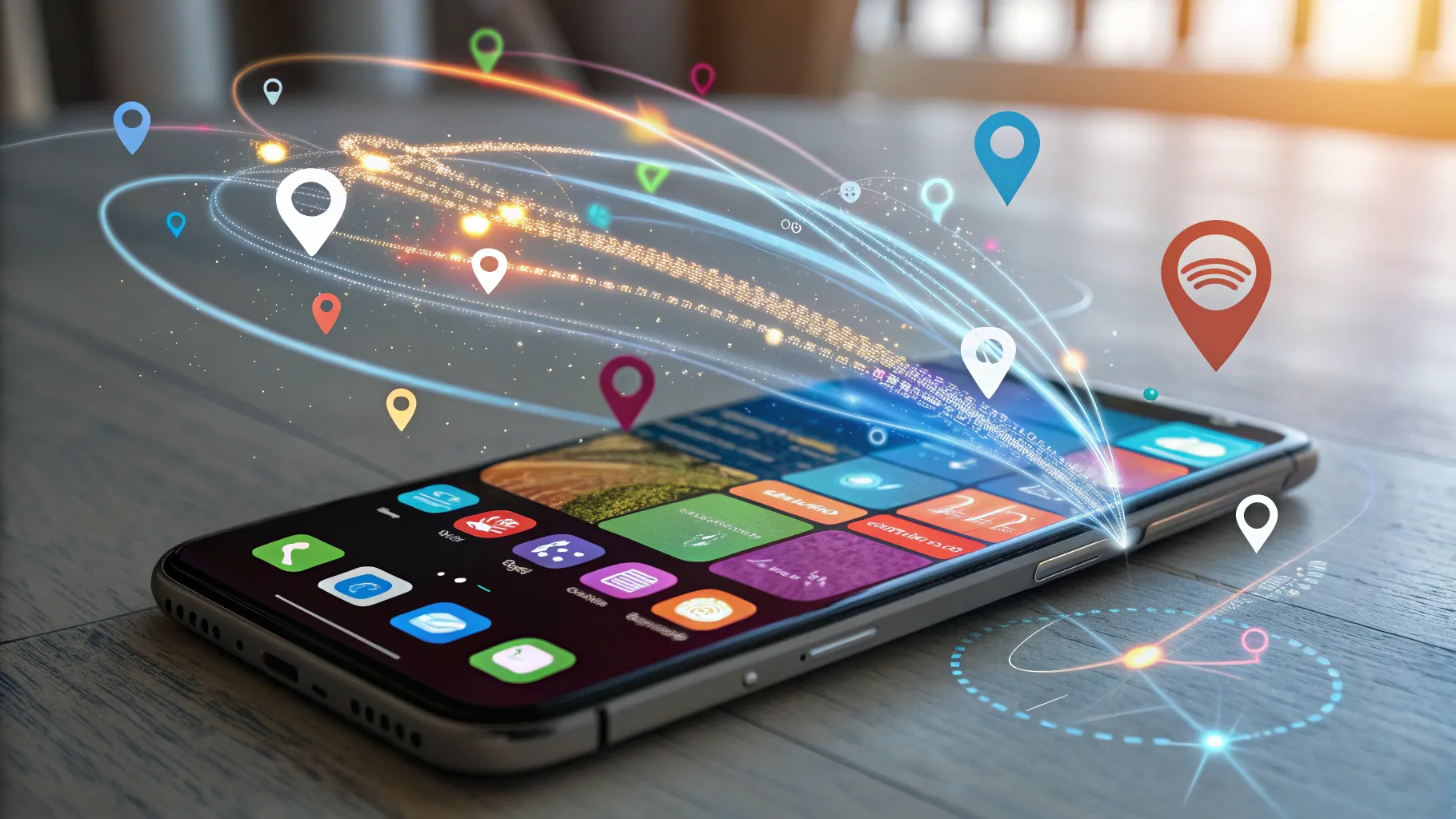
How Phones Collect Personal Data
Your smartphone is constantly gathering information, often without you even realizing it. Every time you download an app, browse the web, or use location services, you're allowing your phone to collect data. Here are some methods through which phones gather personal data:
- App Permissions: When you install an app, it often requests various permissions, from accessing your camera to tracking your location. In 2025, a staggering 70% of apps now request permissions that go beyond their basic functionality.
- Biometric Data: Many users opt to unlock their devices with fingerprints or facial recognition. This data is sensitive and contributes to your personal profile stored on your phone.
- Location Tracking: GPS services provide real-time data on your location and movements. In fact, studies show that location tracking can gather data every second you are using your phone.
- Internet Browsing: Each time you browse the web, cookies and tracking scripts from websites gather data on your preferences, search history, and interests.
With these combined, smartphones create a comprehensive digital profile that reveals much about your habits, preferences, and day-to-day activities.
What Information Your Phone Stores
It’s astounding what kinds of data your phone can accumulate. Here are some critical aspects of the information stored on your device:
- Contact List: Your phone stores names, numbers, and email addresses, building a network map of your interpersonal connections.
- Messages & Call Logs: Text messages, WhatsApp chats, and call histories are archived, laying out your communication patterns.
- Photos & Videos: Image and video history not only reflects your memories but also can reveal locations and times.
- Payment Information: Mobile wallets integrated with your phone track purchases and financial activities, providing a comprehensive view of your spending habits.
This collection of information can lead to significant insights about your lifestyle choices, preferences, and habits, providing companies with cornerstone data for targeted advertisements.
How to Check App Permissions
Knowing what your apps can access is crucial in managing your privacy. Here’s how you can check app permissions on your device:
- Android Users: Go to Settings > Apps > [Select App] > Permissions. Here, you can easily see what permissions are granted and modify them as needed.
- iPhone Users: Navigate to Settings > Privacy > [Specific Permission, e.g., Location Services]. You can review which apps have access and adjust permissions accordingly.
Being proactive about permissions is vital. If an app requests access to data that seems unnecessary for its function, think twice about granting that permission.
How to Protect Privacy on Smartphone
Maintaining privacy in a technologically advanced age can be challenging, but there are practical strategies you can implement:
- Regularly Review Permissions: Make it a habit to review permissions you've granted to applications every few months.
- Limit Location Services: Only enable location tracking for apps when absolutely necessary. For instance, disable it for social media applications that don’t require it.
- Use VPN Services: A Virtual Private Network can help hide your internet activity from prying eyes.
- Secure your device: Use strong passwords and enable biometric security features to keep unauthorized users out of your phone.
- Be Cautious with Public Wi-Fi: Avoid logging into sensitive accounts over public Wi-Fi without a VPN.
By implementing these practices, you can take substantial steps to protect your sensitive information from being misused.
Understanding Phone Data Tracking
The concept of data tracking is vast and sometimes overwhelming. An understanding of how your personal data can be tracked is essential. Data tracking involves the collection and aggregation of data from various activities:
- Ad Tracking: Apps and websites collect data to serve you with targeted ads based on your interests and online behavior.
- Analytics: Many apps use analytics tools to gather data on how you use features, which helps improve user experience but also compromises privacy.
With technology platforms consolidating their capabilities, data also becomes more precision-targeted, further showcasing how much your phone knows about you.
What Apps Know About You
Many popular apps have access to extensive personal data, often unbeknownst to users. A recent survey reports that over 80% of mobile apps can affect user privacy through permissions, allowing them to gather details like:
- Your precise location, from walking paths to habitual visiting spots.
- Your interests through reading habits and engagement with content.
- Your communication styles based on text and voice interactions.
This data fuels algorithms that dictate what you see online, how ads are targeted, and even what articles you are suggested to read.
In closing, understanding how your smartphone collects and stores information, and taking steps to manage app permissions and privacy settings, is critical in navigating the fine line between convenience and privacy in our personal technology landscapes.
Authored by FreshLifeWire team