How Pelvic Floor Trainers Work: Strengthening Your Pelvic Floor Muscles
Facts:
- Pelvic floor trainers enhance muscle control and strength.
- Growing interest in non-invasive solutions for pelvic health for **women and men**.
Understanding the Mechanism Behind Pelvic Floor Trainers
The quest for improved core stability, bladder control, and overall intimate health often leads individuals to explore various methods of strengthening their **pelvic floor muscles**. Among the most effective and increasingly popular solutions are **pelvic floor trainers**. These innovative devices are specifically designed to help individuals identify, engage, and strengthen these crucial internal muscles, transforming abstract **Kegel exercises** into a more tangible and measurable experience. By providing real-time feedback or targeted resistance, **pelvic floor trainers** demystify the process, making **pelvic strength** accessible and achievable for a wider population. Their working principle hinges on guiding users to correctly activate the right muscle groups, which is often a challenge when performing exercises without assistance.
The Anatomy and Function of Your Pelvic Floor
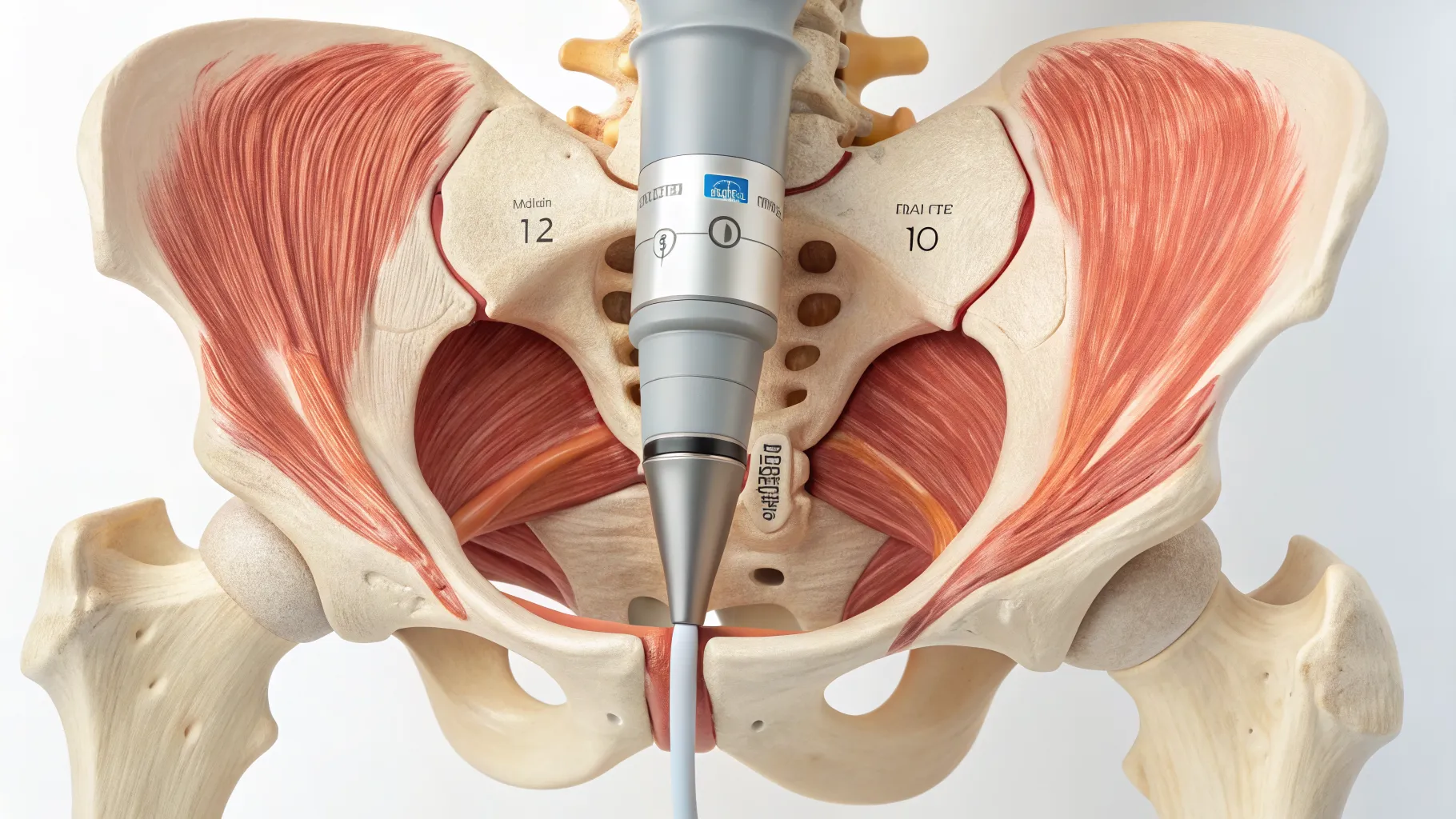
To truly grasp how **pelvic floor trainers** work, it's essential to first understand the **pelvic floor muscles** themselves. This intricate hammock-like structure of muscles, ligaments, and connective tissues extends from the tailbone to the pubic bone, supporting the bladder, bowel, and uterus (in women). These muscles play a vital role in several bodily functions, including maintaining continence, supporting pelvic organs, and contributing to sexual function. When these muscles weaken, often due to childbirth, aging, surgery, or strenuous activities, it can lead to issues like urinary incontinence, pelvic organ prolapse, and decreased sexual sensation. Strengthening these muscles, often through targeted **pelvic floor exercises**, is key to mitigating and reversing these common problems, thereby improving overall quality of life and fostering greater **pelvic strength**.
How Different Pelvic Floor Trainers Work
Not all **pelvic floor trainers** are created equal, and understanding their varied mechanisms is crucial. Some trainers, like weighted vaginal cones, work by providing progressive resistance, challenging the **pelvic floor muscles** to contract around them to prevent them from slipping out. This simple yet effective method helps build endurance and strength. Others, such as biofeedback devices, offer real-time visual or auditory feedback on muscle contractions, allowing users to see or hear how effectively they are engaging their **pelvic floor muscles**. This immediate feedback is invaluable for learning correct technique and optimizing **Kegel exercises**. Furthermore, advanced electrical stimulation devices deliver gentle electrical currents to passively stimulate muscle contractions, which can be particularly beneficial for individuals who struggle to voluntarily contract their muscles or for rehabilitation purposes, enhancing their **pelvic strength** over time.
The Science Behind Effective Pelvic Floor Strengthening
The effectiveness of **pelvic floor trainers** is rooted in the principles of muscle physiology and neuromuscular re-education. When you use a **pelvic floor trainer**, whether it's through resistance, biofeedback, or electrical stimulation, you are essentially providing a targeted workout for your **pelvic floor muscles**. Consistent and correct activation leads to hypertrophy (muscle growth) and improved neuromuscular control, meaning your brain becomes better at sending signals to these muscles, leading to stronger, more coordinated contractions. This scientific approach ensures that the **pelvic floor exercises** are not just random movements but precise, effective interventions designed to build lasting **pelvic strength** and functional improvement. The goal is to create stronger, more responsive **pelvic floor muscles** capable of performing their supportive and sphincteric roles efficiently.
Benefits Beyond Basic Bladder Control
While often associated with urinary continence, the benefits of using a **pelvic floor trainer** extend far beyond preventing leaks. A strong pelvic floor contributes significantly to core stability, as these muscles work in conjunction with abdominal and back muscles to support the spine. For women, enhanced **pelvic strength** can lead to improved sexual function, including increased sensation and stronger orgasms. For both men and women, a well-toned pelvic floor can help prevent and manage pelvic organ prolapse and may even contribute to easier childbirth and faster postpartum recovery. The holistic impact of consistent **pelvic floor exercises** on overall well-being and body confidence cannot be overstated, making a **pelvic floor trainer** a valuable investment in long-term health.
Choosing the Right Pelvic Floor Trainer for You
Selecting the appropriate **pelvic floor trainer** depends on individual needs, preferences, and the specific goals for **pelvic strength**. For beginners who need help identifying the correct muscles, biofeedback devices are often recommended, as they provide immediate visual confirmation of muscle engagement. Those looking for progressive resistance might find weighted vaginal cones beneficial for building endurance. For individuals with very weak muscles or nerve damage, electrical stimulation devices, often under medical guidance, can be transformative. It is important to research different models, read reviews, and consider consulting with a healthcare professional, such as a physical therapist specializing in pelvic health, to determine the best **pelvic floor trainer** to support your unique **pelvic floor exercises** journey and optimize your **pelvic strength** outcomes.
Optimizing Your Pelvic Floor Training Experience
Consistency is Key: Just like any muscle group, the **pelvic floor muscles** respond best to regular training. Aim for daily sessions with your **pelvic floor trainer** to see significant improvements in **pelvic strength** over time. Irregular use will yield minimal results.
Proper Technique Matters: Ensure you are engaging the correct **pelvic floor muscles** and not tensing your glutes, thighs, or abs. Biofeedback trainers are excellent for teaching precise **Kegel exercises** technique. If unsure, seek guidance from a pelvic health specialist.
Start Gradually: Do not overdo it, especially when beginning with a new **pelvic floor trainer**. Gradually increase the duration, intensity, or resistance of your **pelvic floor exercises** as your **pelvic strength** improves. Listen to your body and avoid discomfort.
Integrate into Daily Life: Once you've mastered the technique, try to incorporate subtle **pelvic floor exercises** throughout your day, even without your trainer. This reinforces muscle memory and maintains **pelvic strength** during routine activities.
Stay Hydrated and Mindful of Diet: Good hydration and a fiber-rich diet prevent constipation, which can strain the **pelvic floor muscles**. A healthy lifestyle complements the work done with your **pelvic floor trainer** and supports overall **pelvic strength**.
Frequently Asked Questions
What are **pelvic floor muscles**?
The **pelvic floor muscles** are a group of muscles located at the base of your pelvis that form a hammock-like structure, supporting your bladder, bowel, and uterus (in women). They are crucial for continence, pelvic organ support, and sexual function.
How often should I use a **pelvic floor trainer**?
Most experts recommend using a **pelvic floor trainer** for about 10-20 minutes, 3-5 times a week, or as advised by the device's instructions or a healthcare professional. Consistency is more important than intensity for building **pelvic strength**.
Are **Kegel exercises** enough?
**Kegel exercises** are a fundamental component of **pelvic floor exercises**. While beneficial, a **pelvic floor trainer** can enhance their effectiveness by providing targeted feedback, resistance, or stimulation, which can lead to faster and more noticeable improvements in **pelvic strength** compared to unassisted exercises.
Can men use **pelvic floor trainers**?
Yes, men can absolutely benefit from **pelvic floor trainers**. Men's **pelvic floor muscles** also play a crucial role in continence, erectile function, and prostate health. Many trainers are designed for both sexes or have male-specific versions to improve **pelvic strength**.
How long does it take to see results from a **pelvic floor trainer**?
Results vary, but many users report noticeable improvements in **pelvic strength** and symptom reduction within 4-6 weeks of consistent use. Significant changes can often be observed after 2-3 months of dedicated **pelvic floor exercises** with a trainer.
References
- Physiotherapy for Pelvic Floor Dysfunction: A Review of Evidence.
- The Role of Biofeedback in Pelvic Floor Muscle Training.
- Pelvic Floor Muscle Training for Urinary Incontinence.
- Electrical Stimulation in the Treatment of Pelvic Floor Disorders.
- Guidelines for Pelvic Floor Muscle Exercise: A Consensus Statement.
Authored by FreshLifeWire team