How Often to Take Out the Trash for a Clean Home
How Often Should You Take Out the Trash
In our fast-paced lives, especially in 2025, a clean and tidy home is essential not just for comfort but also for health. With rising concerns around hygiene and sanitation, the frequency of garbage removal has become a topic of importance for many households. Understanding how often you should take out the trash plays a crucial role in maintaining a pleasant living environment, preventing foul odors, and minimizing pest-related problems.
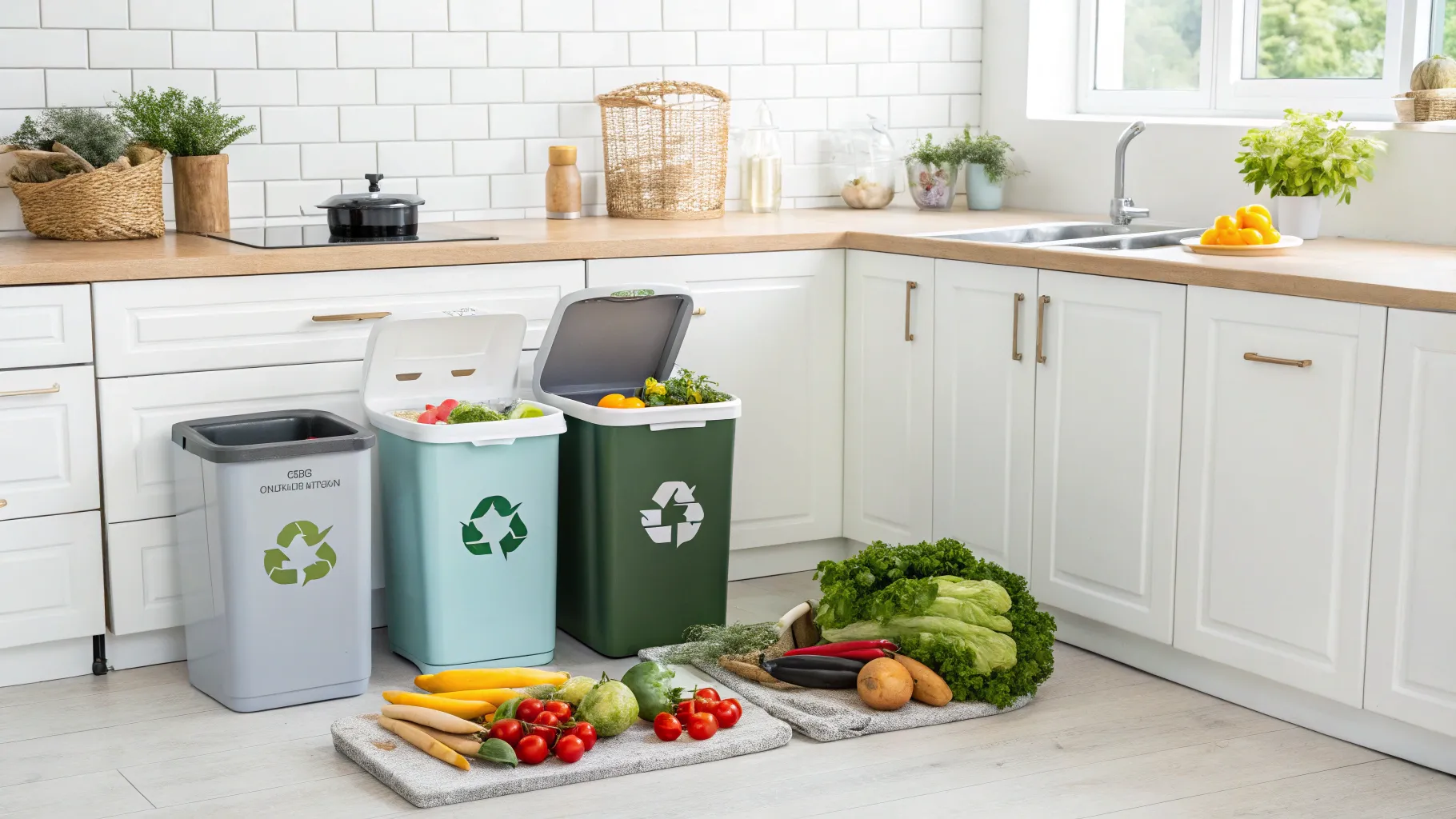
Establishing Your Trash Removal Routine
The question of how frequently you should clear out the garbage depends on several factors, including the number of people in your home, your daily habits, the type of waste produced, and even seasonal elements. Here are some guidelines to help you design an effective trash removal routine that fits your needs:
- Household Size: For singles or couples, taking out the trash once a week may suffice. However, larger families—especially those with children—often need to dispose of trash daily to keep on top of the accumulation. Recent studies from early 2025 show that households with four or more members find a daily removal cycle significantly improves hygiene.
- Waste Types: Kitchen waste, particularly organic food scraps, tends to decompose and attract pests easily. If you’re generating a lot of kitchen refuse, consider emptying the trash every two to three days. In fact, in many households now, food waste has been found to contribute to over 50% of total waste, making regular removal vital.
- Seasonal Adjustments: During peak summer, higher temperatures can intensify odors and hasten spoilage. In fact, many neighborhoods report an increase in pest activities during these months, prompting families to adjust their schedules to take out the trash twice a week at a minimum.
- Recyclables and Special Waste: Don’t forget about recycling! Households generating substantial recyclables should set a firm schedule—often once a week to every other week—for effective disposal. By following community recycling guidelines, households can keep clutter to a minimum.
Tips for Optimal Trash Disposal at Home
Pursuing best practices in trash removal is key to a healthier home. Here are some actionable tips to make the process smooth and effective:
- Quality Trash Bags: Invest in strong, leak-proof trash bags. Sturdy bags will prevent spills and odors from leaking out, ensuring that your garbage stays contained and your home remains fresh.
- Regular Cleaning of Trash Cans: Establish a monthly ritual where you clean your trash cans. Using disinfectants and antibacterial sprays has become more popular in 2025, helping to eliminate lingering odors and bacteria.
- Seal Organic Waste: For households that produce significant food waste, using sealed containers can help manage odors before disposal. Keeping food scraps contained also prevents attracting pests.
Statistics from 2025 highlight that households with regular garbage removal practices see up to a 70% reduction in pest infestation risks. This is particularly critical in urban areas, where the proximity of homes increases the possibility of pest visits.
Understanding When to Take Out the Garbage
Timing is essential in maintaining a clean environment. Here are some specific scenarios and frequency recommendations for effective garbage disposal:
- Daily for Kitchen Waste: To combat odors and pest attraction, aim to remove kitchen trash daily or at least every other day. This ensures food remnants do not linger.
- Weekly for Other Trash: For non-organic waste like packaging or bathroom trash, a weekly schedule generally works well for most families and aligns conveniently with recycling pickups.
- Post-Event Cleanup: Following parties or large gatherings, make it a priority to dispose of excess waste promptly. This keeps your home tidy and prevents odors or unsightly messes.
How Often Should You Empty Your Bins?
A common query among many is about the best time to empty trash bins. The general guideline is to remove trash from indoor bins when they’re approximately three-quarters full. Waiting for bins to overflow can not only lead to unpleasant odors but also increase the likelihood of spills, making clean-up more challenging.
Garbage Disposal Tips for a Clean Home
In 2025, technology has evolved, and many homes now utilize smart waste disposal systems that alert you when bins require emptying. However, for those without these innovations, consider the following strategies to enhance your garbage disposal routine:
- Composting: For those with outdoor space, setting up a compost bin can significantly reduce trash output while producing valuable compost for gardening. This environmentally friendly solution not only curbs waste but also enriches soil.
- Efficient Waste Separation: Create a system for keeping recyclables separate from trash. This simplification keeps your household organized and adheres to local waste management regulations more effectively.
Many communities are now championing zero-waste initiatives, urging households to minimize their overall trash. By 2025, a greater number of families recognize the importance of responsible waste habits, including effective recycling and conscientious garbage disposal.
Ultimately, deciding how often to take out the garbage is integral to achieving a fresh and healthy home. Implementing small shifts in your trash schedule combined with best practices can drastically minimize odors and maintain a clean environment. Remember that regular, mindful trash removal isn’t just about cleanliness; it’s a vital part of caring for your home and enhancing your overall quality of life.
Authored by FreshLifeWire team