How Often Should You Check Your Coolant Levels? A Complete Guide
Facts:
- Coolant prevents your engine from both freezing and overheating.
- A 5°C increase in engine temperature can raise fuel consumption by 1%.
Determining Your Ideal Coolant Check Schedule
Understanding when to check your car's coolant is a cornerstone of preventative maintenance that can save you from costly repairs. The answer to 'how often should you check your coolant levels' isn't one-size-fits-all, but depends on your vehicle's age, your driving habits, and the manufacturer's recommendations. Neglecting this simple task can lead to engine overheating, a primary cause of mechanical breakdowns. Establishing a regular schedule is the first step in proper vehicle cooling system care, ensuring your engine operates at its optimal temperature, regardless of the weather conditions. This guide will delve into the specifics of engine coolant maintenance basics to empower you as a vehicle owner.
Establishing the Right Coolant Level Check Frequency
The ideal coolant level check frequency varies, but a good rule of thumb is to inspect it at least twice a year: once before summer's heat and once before winter's cold. For older vehicles, it's wise to check more often, perhaps once every month. You should also make it a habit to check the coolant level before any long road trip. Your vehicle's owner's manual is the ultimate authority, providing specific intervals recommended by the people who designed your engine. Adhering to this schedule is a fundamental part of engine coolant maintenance basics. Some modern cars have sealed cooling systems and advanced sensors that may require less frequent manual checks, but a visual inspection never hurts and can catch slow leaks before they become catastrophic problems.
A Guide to Engine Coolant Maintenance Basics
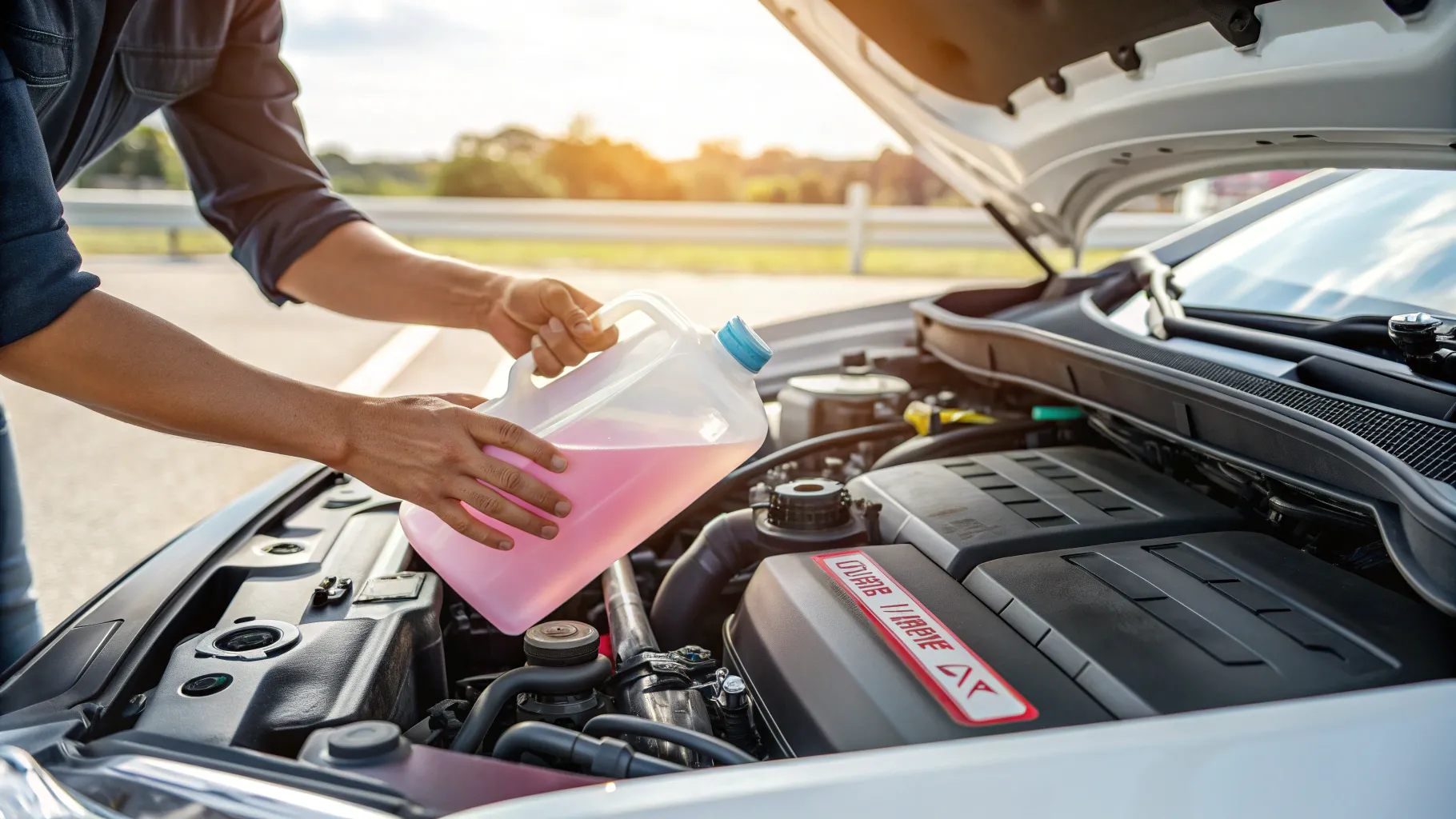
Performing the check is straightforward. First, ensure your car is parked on a level surface and the engine is completely cool. Never attempt to open the radiator cap on a hot engine, as the system is pressurized and can cause severe burns. Locate the coolant reservoir, which is usually a translucent plastic tank near the radiator, marked with 'MIN' and 'MAX' or 'LOW' and 'FULL' lines. The coolant level should be between these two marks. If it's low, you'll need to top it up. It is crucial to use the correct type of coolant specified in your owner's manual. Mixing different types can lead to chemical reactions that reduce the coolant's effectiveness and can even cause damage to the cooling system components. This process is a core element of proper vehicle cooling system care.
Recognizing the Telltale Signs of Low Coolant Levels
Your vehicle will often give you warnings before a major overheating event occurs. Recognizing these signs low coolant levels is critical for early intervention. The most obvious sign is the temperature gauge on your dashboard climbing into the red zone or a high-temperature warning light illuminating. You might also notice a sweet, syrupy smell after driving, which indicates a coolant leak. Puddles of green, pink, or orange fluid under your car are a dead giveaway. Another symptom can be a malfunctioning heater; since the heating system uses hot coolant to warm the cabin, low levels can result in it blowing cold air. Paying attention to these signs low coolant levels can help you address the issue before it leads to severe engine damage.
Best Practices for Comprehensive Vehicle Cooling System Care
Effective vehicle cooling system care goes beyond just checking levels. It involves a holistic approach to maintaining the entire system's health. Periodically, the coolant needs to be flushed and replaced. Over time, coolant loses its anti-corrosive properties, and contaminants can build up. A coolant flush, typically recommended every 30,000 to 50,000 miles, removes the old fluid and any debris, replacing it with fresh coolant to ensure optimal protection. It's also important to inspect the hoses, radiator, and water pump for any signs of cracks, leaks, or wear. A brittle hose or a leaking water pump can quickly lead to a loss of coolant and engine overheating. Integrating these checks into your routine is a key part of long-term vehicle maintenance.
The Consequences of Neglecting Coolant Checks
Ignoring the coolant level check frequency can lead to a cascade of expensive and damaging problems. The most immediate risk is engine overheating. When an engine runs too hot, it can cause the cylinder head to warp, lead to a blown head gasket, or even result in complete engine seizure. These are among the most expensive repairs a car can require. In winter, insufficient coolant (or an improper water-to-antifreeze ratio) can allow the fluid in your engine block to freeze and expand, potentially cracking the block itself. This is often an irreparable failure. Consistent engine coolant maintenance basics are not just suggestions; they are essential procedures to protect your investment and ensure your safety on the road.
Frequently Asked Questions
What are the main signs low coolant levels in a car?
The most common signs low coolant levels include the engine temperature gauge rising higher than normal, a dashboard warning light, a sweet smell from the engine bay, visible leaks or puddles under the car, and the cabin heater not working properly.
What is the recommended coolant level check frequency?
While your owner's manual is the best source, a general guideline for coolant level check frequency is twice a year (before summer and winter) and before any long journeys. For older cars, checking monthly is a safer practice.
Can I just add water instead of coolant?
In an emergency, adding water can get you to a service station. However, for long-term use, you should only use the specific coolant type recommended for your vehicle. Water alone lacks the anti-corrosion and anti-freeze properties essential for proper vehicle cooling system care.
Is it difficult to learn engine coolant maintenance basics?
Not at all. The fundamental engine coolant maintenance basics, like checking the reservoir level and visually inspecting for leaks, are simple procedures that any car owner can learn to do safely with a cool engine. It's one of the easiest ways to prevent major mechanical issues.
References
- Automotive Maintenance & Repair Association Guidelines
- Vehicle Engine Cooling Systems: A Comprehensive Overview
- National Institute for Automotive Service Excellence (ASE) Coolant Facts
- Consumer Reports on Vehicle Preventative Maintenance
Authored by FreshLifeWire team