How Often Should You Check Your Coolant Levels? A Guide to Vehicle Cooling System Care
Facts:
- Coolant prevents both engine overheating and freezing.
- Regular checks are an essential part of vehicle cooling system care.
Understanding the Ideal Coolant Level Check Frequency
Maintaining the proper amount of coolant in your vehicle is one of the most critical aspects of car ownership, yet it's often overlooked until it's too late. The coolant, or antifreeze, is the lifeblood of your engine's thermal management system, preventing it from overheating in the summer and freezing in the winter. Establishing a regular coolant level check frequency is a simple, proactive step that ensures the longevity and reliability of your engine. Proper vehicle cooling system care goes beyond just topping off fluids; it involves understanding what you're looking for and why it matters. Ignoring this can lead to catastrophic engine damage and expensive repairs, all of which are easily preventable with a few minutes of inspection every few months.
Key Signs of Low Coolant Levels You Can't Ignore
Your vehicle often provides clear warnings before a major cooling system failure occurs. Recognizing these signs low coolant levels is crucial for preventing a roadside emergency. The most obvious indicator is the temperature gauge on your dashboard climbing into the red zone. Another common sign is steam or vapor billowing from under the hood, which indicates the coolant is boiling over. You might also notice a sweet, syrupy smell after parking your car; this is the distinct scent of ethylene glycol, the primary component of antifreeze, leaking from the system. Additionally, if your car's cabin heater suddenly starts blowing cold air instead of hot, it can be a symptom of insufficient coolant circulating through the heater core. Paying attention to these signals allows you to address the problem before it escalates into severe engine damage.
A Step-by-Step Guide to Engine Coolant Maintenance Basics
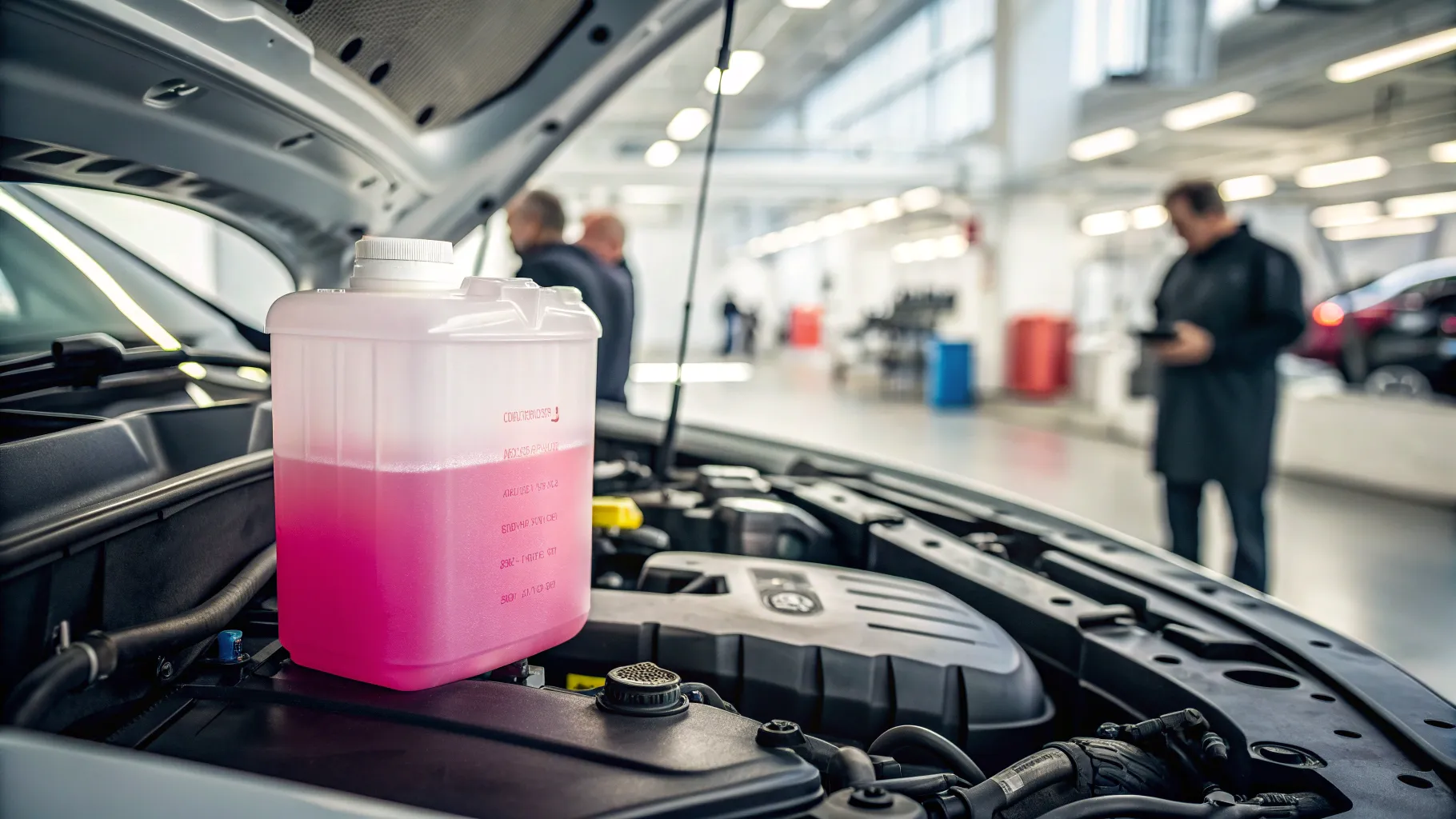
Checking your coolant is a straightforward task that anyone can perform. These engine coolant maintenance basics are fundamental to your car's health. First and foremost, always ensure your engine is completely cool before opening the cooling system. Opening a hot radiator or reservoir cap is extremely dangerous, as the system is under pressure and can spray scalding fluid. Once the engine is cool, locate the coolant reservoir. It's typically a translucent plastic tank near the radiator with 'MIN' and 'MAX' markings on the side. The fluid level should be between these two lines. If it's below the 'MIN' mark, you need to add more. It is vital to use the correct type of coolant specified in your vehicle's owner's manual, as mixing different types can cause chemical reactions that damage the system. Slowly add the coolant until it reaches the 'MAX' line, but do not overfill.
Determining Your Coolant Check Frequency: Factors to Consider
The question of 'how often' doesn't have a single answer; it depends on several factors. For a newer vehicle with low mileage, checking the coolant level every six months or during every oil change is generally sufficient. However, for older cars, especially those over five years old or with more than 100,000 miles, a more frequent schedule is advisable. A monthly check is a safe rule of thumb. Your driving conditions also play a significant role in your ideal coolant level check frequency. If you frequently drive in stop-and-go city traffic, tow heavy loads, or live in a hot climate, your engine works harder and runs hotter, placing more stress on the cooling system. In these demanding situations, inspecting your coolant every few weeks is a wise preventative measure and a core part of responsible vehicle cooling system care.
Proactive Vehicle Cooling System Care for Longevity
Beyond simply checking levels, comprehensive vehicle cooling system care involves inspecting the entire system. This proactive approach can help you identify potential issues before they become major problems. A little diligence goes a long way in ensuring your engine remains protected and performs optimally for years to come. Here are some actionable tips:
- Use the Right Coolant: Always refer to your owner's manual. Using the wrong type of coolant can lead to corrosion and buildup within the radiator and engine passages, which is a failure of engine coolant maintenance basics.
- Inspect Hoses and Connections: Regularly look at the rubber hoses connected to the radiator and engine. Squeeze them (when cool) to check for hardness, cracks, or mushy spots, which indicate they are deteriorating and need replacement. Also, check for any leaks or stains around the hose clamps.
- Check the Radiator Cap: The radiator cap is designed to hold the system at a specific pressure. If the seal on the cap is worn or broken, it can't maintain pressure, causing the coolant to boil at a lower temperature. This is a common and inexpensive part to replace.
- Schedule a Coolant Flush: Your owner's manual will recommend an interval for a coolant flush (e.g., every 30,000 to 100,000 miles). This service removes old, degraded coolant and any sediment, replacing it with fresh fluid to ensure optimal performance.
Frequently Asked Questions
What are the most common signs of low coolant levels?
The most prominent signs low coolant levels include your engine temperature gauge running hotter than normal, steam coming from under the hood, a sweet smell after the car has been running, and poor performance from your car's interior heater. These are critical warnings that demand immediate attention to prevent engine damage.
Can I just add water instead of coolant?
In an absolute emergency, you can add water to get to a service station. However, for long-term use, this is a bad idea. Water alone doesn't have the anti-corrosion or anti-freeze properties of proper coolant, which is vital for complete vehicle cooling system care. It can also boil off much more quickly, leaving your system unprotected.
How does my driving affect my coolant level check frequency?
Your driving habits significantly impact the recommended coolant level check frequency. If you frequently drive in heavy traffic, tow trailers, or live in a very hot climate, your cooling system works harder. In these cases, you should check your coolant levels more often, perhaps monthly, as part of your routine engine coolant maintenance basics.
References
- Vehicle Owner's Manuals and Service Guides
- Automotive Service Excellence (ASE) Technician Bulletins
- Industry reports on vehicle maintenance and repair statistics
- Chemical composition guides for automotive fluids
Authored by FreshLifeWire team