How Often to Change Your Toothbrush for Optimal Hygiene
How Often Should You Change Your Toothbrush
To maintain shining teeth and good oral hygiene, changing your toothbrush frequently is one of the simplest yet often ignored practices in dental care. As we engage in daily brushing, many wonder: how often should I really be changing my toothbrush? Current recommendations from dental professionals stress replacing your toothbrush every three to four months. This guideline has been reinforced by recent studies from early 2025, which highlight the significance of regular toothbrush replacement.
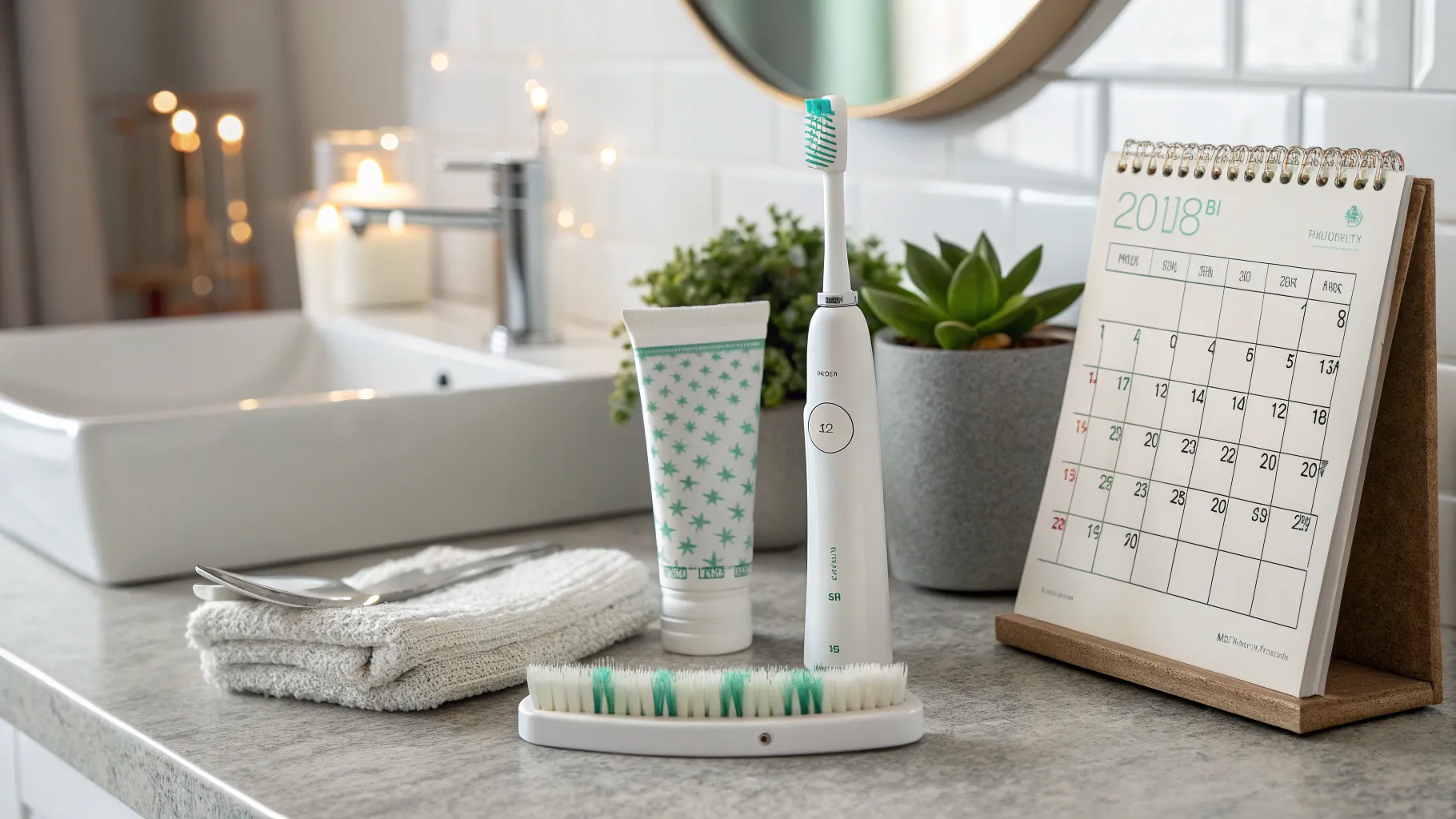
Every toothbrush we use performs a crucial task: it works to erase plaque, food particles, and bacteria that can cause tooth decay and gum disease. Over time, the bristles on our toothbrushes can become frayed or worn out, diminishing their ability to effectively clean our teeth. Surprisingly, findings from the American Dental Association show that about 70% of people tend to use their toothbrushes beyond the recommended time frame, potentially increasing their risk for dental issues.
The Importance of Replacing Your Toothbrush
When we neglect to switch out our toothbrushes as needed, we expose ourselves to various risks. Old toothbrushes can become breeding grounds for harmful bacteria, with studies finding that they can harbor up to 10 million germs, including potentially harmful pathogens like E. coli and staphylococcus. These germs can easily transfer to our mouths during brushing, posing risks for infections and other oral health problems.
Why the Three to Four-Month Rule Matters
The advice to change your toothbrush every three to four months isn't arbitrary. This guideline comes with substantial reasons that emphasize the importance of dental health. For starters, worn bristles become less effective in removing plaque, a soft film that forms on teeth and can lead to cavities. Not only that, but keeping an old toothbrush can also be unhygienic. Bacteria thrive on old, damp toothbrushes, especially when they are stored improperly. If your toothbrush touches contaminated surfaces, like the bathroom counter or sink, it can pick up harmful bacteria that Risk your health.
For anyone recovering from illnesses, particularly those affecting the mouth and throat, replacing your toothbrush after your recovery is a must. A recent clinical study indicated that individuals who replaced their toothbrushes following an illness experienced significantly lower rates of reinfection.
When to Replace Your Toothbrush Sooner
While the three to four-month rule is a great guideline, certain situations require you to take action even sooner.
- Post-Illness: If you’ve recently battled a cold, the flu, or any oral infection, it is wise to replace your toothbrush as soon as you feel better. This helps eliminate any lingering germs and reduces the risk of falling ill again.
- Visible Wear: If you notice frayed or bent bristles before the three-month mark, it’s time for a new toothbrush. Frayed bristles can lead to ineffective cleaning, making it easier for plaque to build up.
- Sharing Toothbrushes: Sharing your toothbrush might seem harmless, but it poses a significant risk for germ transmission. If you’ve shared your brush, replace it immediately.
Failing to adhere to these guidelines can lead to severe consequences. Studies report that about 30% of adults neglect to replace their toothbrush after an illness, which undoubtedly increases their risk of recurring infections. Taking proactive steps can significantly enhance your oral health.
Proper Maintenance for Hygiene
Extending the life of your toothbrush while ensuring it stays hygienic involves a few simple yet effective practices:
- Thorough Rinsing: After brushing, rinse your toothbrush under hot water to remove leftover toothpaste and debris, helping to minimize bacteria growth.
- Appropriate Storage: Store your toothbrush upright in a holder and allow it to air dry completely. Avoid closed containers that can trap moisture and foster bacterial growth.
- Designated Use: Each family member should have their own toothbrush. Sharing can easily spread harmful germs.
Implementing these practices can help ensure your toothbrush maintains its hygiene, assuring better oral health for you and your loved ones.
Choosing the Right Toothbrush
While changing your toothbrush regularly is critical, selecting the right type of toothbrush is equally essential. Dental professionals primarily recommend using soft-bristled toothbrushes. These brushes offer effective cleaning without damaging your gums. Electric toothbrushes are another excellent option, equipped with timers and pressure sensors that help improve your brushing technique and consistency.
Just as important as selecting the right brush is knowing when to replace the brush head of your electric toothbrush. Aim to change it every three to four months, similar to manual brushes. Always check the manufacturer’s guidance for optimal usage.
Improving Your Oral Health Routine
Your toothbrush is a pivotal component of your oral healthcare routine. By adhering to the guidelines of changing your toothbrush every three to four months, and remaining vigilant about its condition, you can significantly enhance your oral health. Investing a few dollars in a new toothbrush can save you from larger dental problems down the road.
As we navigate through 2025, awareness of proper toothbrush maintenance continues to grow, with surveys linking it to improved dental health across multiple demographics. Let your toothbrush serve as a constant reminder of the importance of hygiene in your life. Treat it with care, and your smile will undoubtedly show appreciation. Remember, oral health is intertwined with overall health—by embracing these small changes, you’ll reap substantial benefits!
Authored by FreshLifeWire team