How Military Boats Are Used in Defense
How Military Boats Are Used Across Modern Operations
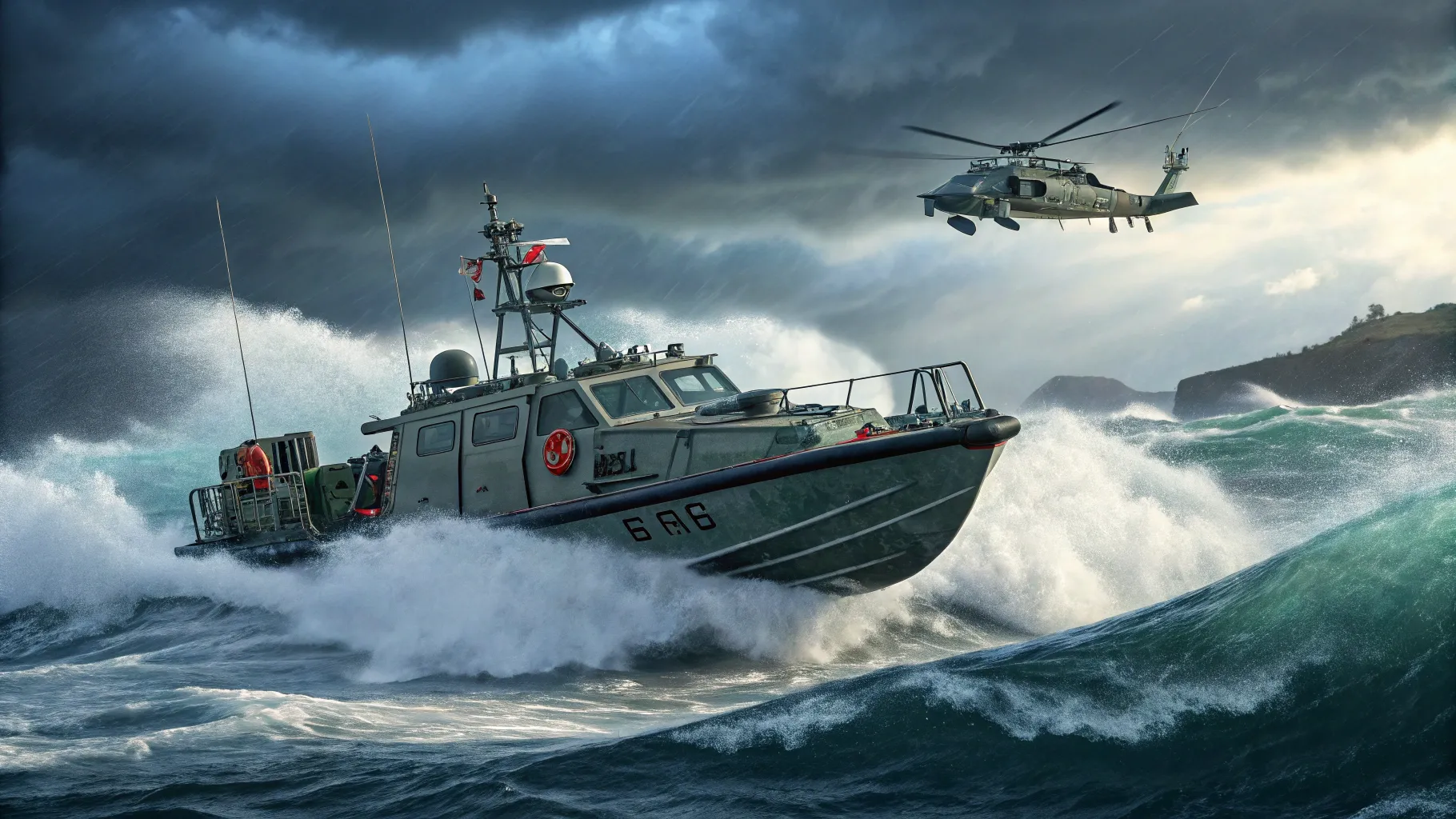
In 2025, military boats have transformed into critical assets within the realm of maritime operations, serving a wide array of purposes that go beyond mere combat. These boats integrate cutting-edge technology with strategic maritime planning, enhancing both naval warfare capabilities and humanitarian efforts. The categories of military boats today include destroyers, submarines, amphibious assault ships, patrol vessels, and logistics support crafts. Each type has distinct roles that cater to the various demands of contemporary military operations. This article explores the functions of military boats in defense and humanitarian contexts while highlighting their evolving capabilities.
Functions of Military Boats in Naval Defense
Military vessels play a vital role in ensuring national security and enhancing military operations. Here are some key functions they fulfill:
- Combat Operations: Armed vessels such as destroyers and frigates are at the forefront of military engagement, designed explicitly for conflict. Recent naval exercises, especially in high-tension areas like the South China Sea, showcase how these ships maintain crucial maritime lanes. The presence of battle-ready ships serves as a deterrent, preventing hostile maneuvers from adversary forces.
- Transport and Logistics: Military operations hinge on effective logistics. Amphibious assault ships are instrumental in transporting troops and supplies directly to the shore during conflicts. For example, during large-scale joint operations in the Indo-Pacific region, these vessels have demonstrated their rapid deployment capabilities, allowing for swift responses to crises.
- Surveillance and Reconnaissance: Military boats equipped with advanced technology often conduct surveillance missions to monitor maritime activities. Patrol vessels utilize sophisticated radar systems to track potential threats, providing critical intelligence in areas with limited air surveillance.
- Search and Rescue Operations: The adaptability of military fleets extends into humanitarian missions. After a catastrophic earthquake in the Caribbean, naval ships were deployed to deliver essential medical services and supplies. With onboard medical facilities, these vessels act as critical first responders during natural disasters.
- Training and Research Missions: Military ships serve as training platforms where personnel can practice various operational scenarios. They incorporate modern technologies including artificial intelligence, which is pivotal in progressing navigation and threat detection capabilities.
Humanitarian Missions Utilizing Naval Assets
Military boats increasingly engage in humanitarian efforts, responding effectively to global crises and natural disasters. Notably, over the past six months, naval operations have showcased their abilities as first responders. One significant example involved a naval hospital ship dispatched after severe flooding in Southeast Asia. The ship efficiently provided medical assistance and distributed supplies to communities in distress.
This proactive approach to humanitarian support illustrates a strategic vision held by governments around the globe. Recognizing the versatility of military boats in fostering international cooperation and stability, these operations often entail:
- Humanitarian Assistance: Naval vessels are often the first lines of response in the aftermath of natural disasters, providing food, water, medical care, and temporary shelter. Their agility in mobilizing aid quickly in crisis situations is invaluable.
- Capacity Building: Military boats also engage in joint exercises with allied nations, enhancing their operational readiness. Such collaborations build essential capabilities and strengthen regional partnerships, enabling allied forces to better handle crises.
- Evacuations: During emergencies or conflicts, military boats swiftly evacuate civilians from danger zones, underscoring their role as versatile and responsive assets during critical situations.
During the recent global pandemic, military vessels adapted by retrofitting to serve as mobile hospitals. This was instrumental when local healthcare facilities became overwhelmed, highlighting the versatility of these naval forces in prioritizing public health during crises.
Innovative Training and Research with Naval Forces
Even in the year 2025, military boats are not only utilized for combat but have become essential hubs for training and research. The dynamic environment of warfare and technology requires naval forces to stay ahead of the curve. Comprehensive training programs are currently integrating advanced simulation technologies that enhance the preparation of personnel for varied operational scenarios, including high-stakes navigation and engagement practices.
Recent advancements in virtual reality (VR) and augmented reality (AR) have significantly elevated training effectiveness aboard military vessels. Trainees can now experience authentic operational scenarios without the inherent risks associated with real-life missions. This safe training environment fosters skill acquisition, preparing the next generation of naval leaders equipped with the latest technological advancements.
Moreover, research initiatives conducted aboard these naval vessels pave the way for exploring cutting-edge technologies, including unmanned systems. This dedication to innovation is crucial as armed forces aim to decrease their environmental impact while maximizing operational effectiveness. Projects focused on hybrid energy systems exemplify the commitment to modernization and sustainability embedded within naval operations.
The Evolving Landscape of Military Boat Utilization in 2025
As 2025 unfolds, the array of functions and capabilities of military boats continues to broaden. The concept of a "blue economy" now emphasizes sustainable maritime resource management, urging nations to employ their naval assets for both defense and the proactive protection of the ocean environment. Military boats are actively involved in initiatives aimed at ocean protection, including oil spill responses and environmental monitoring efforts.
Additionally, the current geopolitical landscape demands that military boats engage in deterrence operations, showcasing a robust naval presence in sensitive regions. Recent drills and patrols in geopolitically strategic areas like the Arctic and East China Sea illustrate the importance of maintaining peace and managing rivalry between nations.
In summary, military boats of 2025 signify multi-functional assets crucial for executing a variety of missions—spanning from national defense to humanitarian aid and environmental initiatives. Their capabilities extend far beyond traditional battlefields, providing essential support in disaster response, environmental stewardship, and the training of future naval forces. As the global dynamics evolve, these vessels will continue to play an integral role in comprehensive naval strategies that address immediate challenges while prioritizing long-term sustainability objectives.
Authored by FreshLifeWire team