How Apartment Prices Doubled in Five Years Explained
How Apartment Prices Doubled in the Last 5 Years
Apartment prices have seen an unprecedented surge, effectively doubling in many urban areas over the recent five years. This significant increase is a pressing issue for many prospective renters and buyers alike, leading to notable changes in living patterns and economic pressures. Understanding the reasons behind rising apartment prices can shed light on this phenomenon.
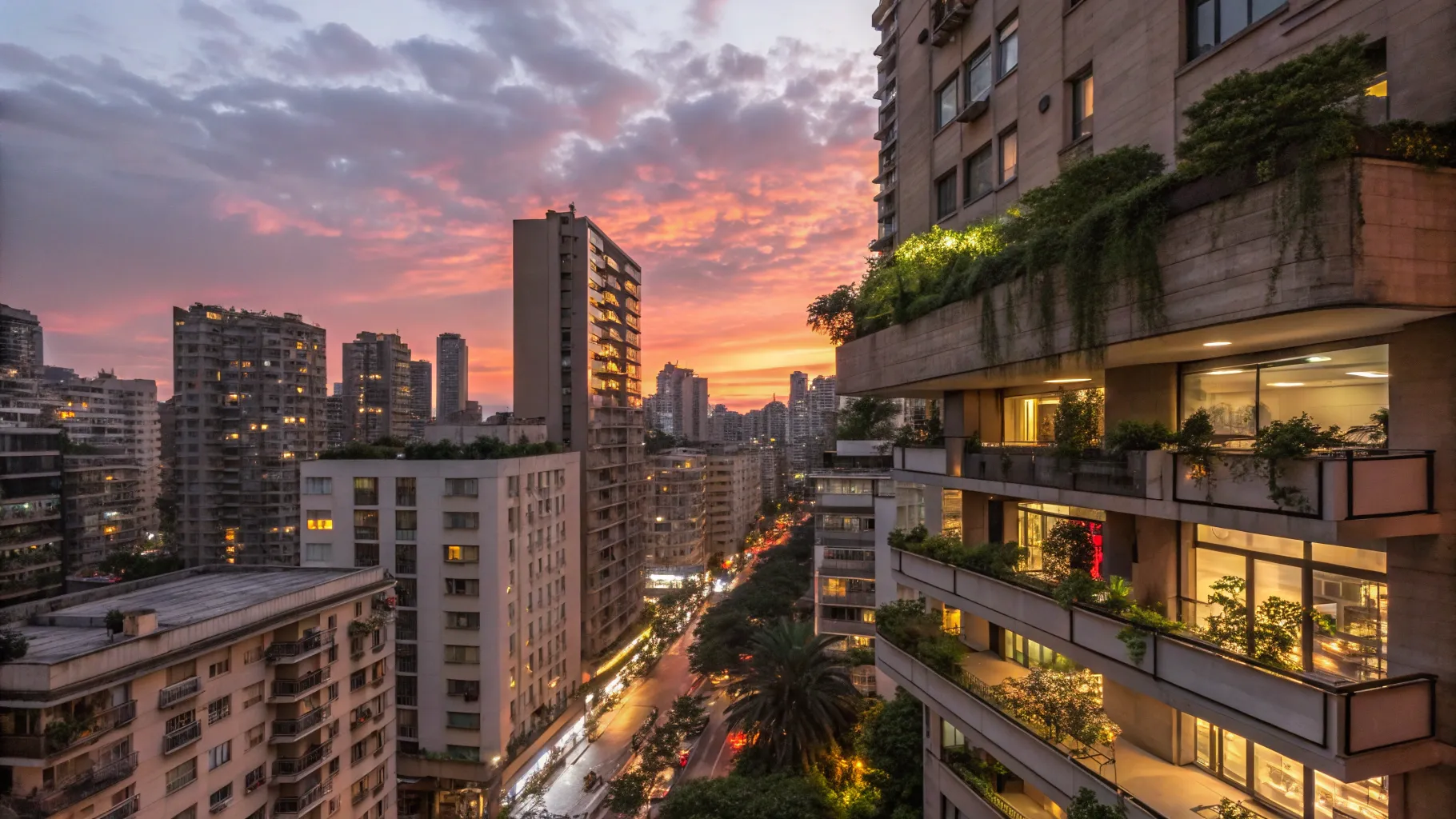
Key Factors Contributing to Rising Apartment Prices
The growth in apartment prices can be attributed to a combination of factors ranging from demand and supply imbalances to governmental policies. Here are the key contributors:
- Increased Demand: The demand for rental properties has surged due to population growth in urban centers. More people are moving to cities for jobs, education, and lifestyle.
- Limited Supply: New constructions have not kept pace with this demand. Zoning laws, high land prices, and increased construction costs are stalling new developments.
- Government Policies: Various government policies, including tax incentives for developers and restrictions on short-term rentals, have influenced the market dynamics significantly.
- Interest Rates: Although interest rates have fluctuated, borrowing remains relatively low compared to historical standards, encouraging investment in real estate.
- Post-Pandemic Effects: The COVID-19 pandemic has shifted preferences, with many opting for larger spaces and better amenities to accommodate remote working setups.
Rental Market vs Ownership Costs
The rental market has not been immune to price hikes, with rents also experiencing sharp increases. Cities report that average rental prices are at all-time highs. For instance, New York City saw rental prices soar by 15% in the last year alone. Comparatively, ownership costs have skyrocketed too, not just in major markets like Los Angeles and Miami but also in smaller cities that are witnessing new waves of interest.
For many, renting is becoming more cost-prohibitive, although some buyers are struggling with affordability challenges. It is a catch-22: while renting may seem less expensive, the monthly payments increasingly rival mortgage costs, often leaving many to wonder whether buying a home might be the better long-term decision.
Regional Apartment Price Growth
Apartment prices have not increased uniformly across the country. Major cities like San Francisco, Seattle, and Boston have seen price hikes upwards of 25%, while emerging tech hubs in the Midwest, such as Austin, are witnessing similar growth rates. This phenomenon can often stem from job migrations, where companies relocate or hire more staff in growing markets, subsequently driving demand for housing.
Real estate agents report an increased interest in smaller cities and suburbs, as buyers are drawn to lower costs combined with a higher quality of life.
The Impact of Demand on Apartment Prices
The acute demand for apartments has drastically affected the price landscape. In areas where demand outstrips supply, bidding wars and multi-offer situations have become more prevalent, echoing the competitive nature of the housing market. Recent data indicates that in some neighborhoods, apartments are selling for 30% over asking price, showcasing how intensely buyers are competing for limited inventory.
Furthermore, as the millennial and Gen-Z populations enter the housing market, their preferences for urban living with amenities such as proximity to work venues and entertainment options only heightens the demand, creating a feedback loop that perpetuates rising prices.
Government Policies and Their Effect on Apartment Prices
Government interventions have also played a critical role. Policy measures, including affordable housing mandates, rent control measures, and real estate taxes, can both positively and negatively impact market dynamics. For example, while rent control aims to protect low-income renters, it can simultaneously decrease incentives for developers to create new rental properties, effectively stifling supply.
Moreover, subsidies for first-time buyers are designed to alleviate financial burdens, but their impact on the wider market often leads to increased competition, pushing prices even higher.
Affordability Challenges for Buyers
As apartment prices continue to double, affordability challenges become more pronounced. Many buyers find themselves pushed out of the market. The burden is felt disproportionately among first-time buyers and lower-income families, who struggle to save for down payments amidst escalating living costs. The National Association of Realtors recently reported that average first-time homebuyers are now spending nearly 50% of their income on housing costs.
This crisis prompts discussions on potential solutions. Innovative approaches to increase affordable housing supply, initiate zoning reforms, and implement supportive economic policies could help alleviate these financial strains.
Future Outlook for Apartment Prices
Looking ahead, the future outlook for apartment prices seems mixed. On one hand, the relentless demand is likely to maintain upward pressure on prices, especially as populations continue to concentrate into urban areas. On the other hand, developers are seeking ways to increase the housing supply, coupled with potential regulatory changes that could ease construction bottlenecks.
Analysts warn, however, that unless there are shifts in housing policy and increased investment in affordable housing development, the affordability crisis could deepen, leaving many renters and aspiring homeowners in challenging positions.
As we navigate through 2025, it remains crucial for all stakeholders—governments, developers, and the community—to find solutions aimed at enhancing housing accessibility. Without proactive measures, we may continue to witness apartment prices that strain the economic fabric of many families.
Authored by FreshLifeWire team