Housing Solutions for Seniors with Special Needs Benefits
Housing Solutions for Seniors with Special Needs
As we navigate through 2025, it's essential to focus on housing solutions for seniors with special needs, a growing concern as life expectancy increases. The unique challenges that seniors with disabilities face require specialized housing options that are durable, accessible, and supportive. With an increasing number of individuals over the age of 65 living with disabilities, the demand for appropriate housing solutions continues to rise.
Benefits of Specialized Senior Housing
Choosing the right housing solutions for seniors with special needs can drastically affect their quality of life. Specialized senior housing not only provides a safe and comfortable living environment but also offers several other advantages:
- Accessibility: Living spaces are designed with the mobility needs of seniors in mind, featuring wider doorways, ramps, grab bars, and accessible bathrooms.
- Community and Support: These communities often foster a sense of belonging, reducing feelings of isolation. Specialized staff provide emotional and social support, helping seniors maintain an active lifestyle.
- Proximity to Healthcare: Many specialized housing options are located near hospitals and health services, ensuring that seniors have easy access to healthcare when needed.
- Tailored Services: Many facilities offer personalized care plans that consider the individual needs of each resident, whether it’s assistance with daily living activities or management of health conditions.
Costs of Special Needs Senior Housing
When considering housing solutions for seniors with special needs, understanding the costs involved is crucial. Prices can vary widely based on location, type of facility, and level of care required. On average, specialized senior housing can range from $2,500 to $7,500 per month as of early 2025. This significant expense can be daunting, so it's important to explore various options:
- Assisted Living Facilities: Typically less costly than nursing homes, these places provide care while allowing seniors to maintain some independence, costing around $4,000 a month.
- Nursing Homes: For seniors who require extensive medical care, nursing homes can be more expensive, often exceeding $8,000 a month.
- In-Home Care: For some seniors, hiring caregivers to assist them at home can be a flexible solution, with hourly rates averaging $25.
Additionally, various financial assistance programs are available, including Medicaid, veteran benefits, and state-specific programs that can help offset these costs.
Types of Housing for Seniors with Disabilities
Finding housing solutions for seniors with special needs means exploring various living arrangements. Let’s discuss some of the most common options:
- Independent Living Communities: Perfect for seniors who are generally active but require some assistance. These communities often include amenities such as meal plans and community events.
- Assisted Living Facilities: These offer help with daily activities like bathing, dressing, and medication management, making them ideal for those who need support but do not require full-time medical care.
- Residential Care Homes: Smaller than traditional facilities, these homes provide a more personalized approach to care, often in a home-like setting.
- Nursing Homes: Best suited for those needing constant medical care due to chronic health issues.
How to Find Special Needs Senior Housing
Finding the right housing solutions for seniors with special needs can be challenging but not impossible. Here are some practical tips:
- Research Online: Websites like APlaceForMom and SeniorHousingNet provide comprehensive listings of available housing options.
- Visit Facilities: Always schedule visits to potential housing options. Observing the environment and speaking to staff and residents can provide valuable insight into whether it’s the right fit.
- Consult Professionals: Social workers and geriatric care managers can be excellent resources in navigating available options.
Healthcare Support in Special Needs Housing
The support received in specialized senior housing can make all the difference. Facilities often employ qualified staff who are trained to assist with various health conditions. Healthcare support includes:
- On-site Medical Staff: Many housing options have physicians and nurses available for regular check-ups and urgent care.
- Medication Management: Staff help ensure that medications are taken correctly, preventing dangerous mix-ups.
- Therapeutic Services: Physical and occupational therapy may be offered on-site, improving overall health and mobility.
Senior Lifestyle in Specialized Housing
A significant factor to consider in choosing housing solutions for seniors with special needs revolves around lifestyle. Specialized housing encourages social engagement and activities tailored to the capabilities and interests of residents. Communities often host:
- Group Activities: From crafting to group exercises, activities foster social interaction.
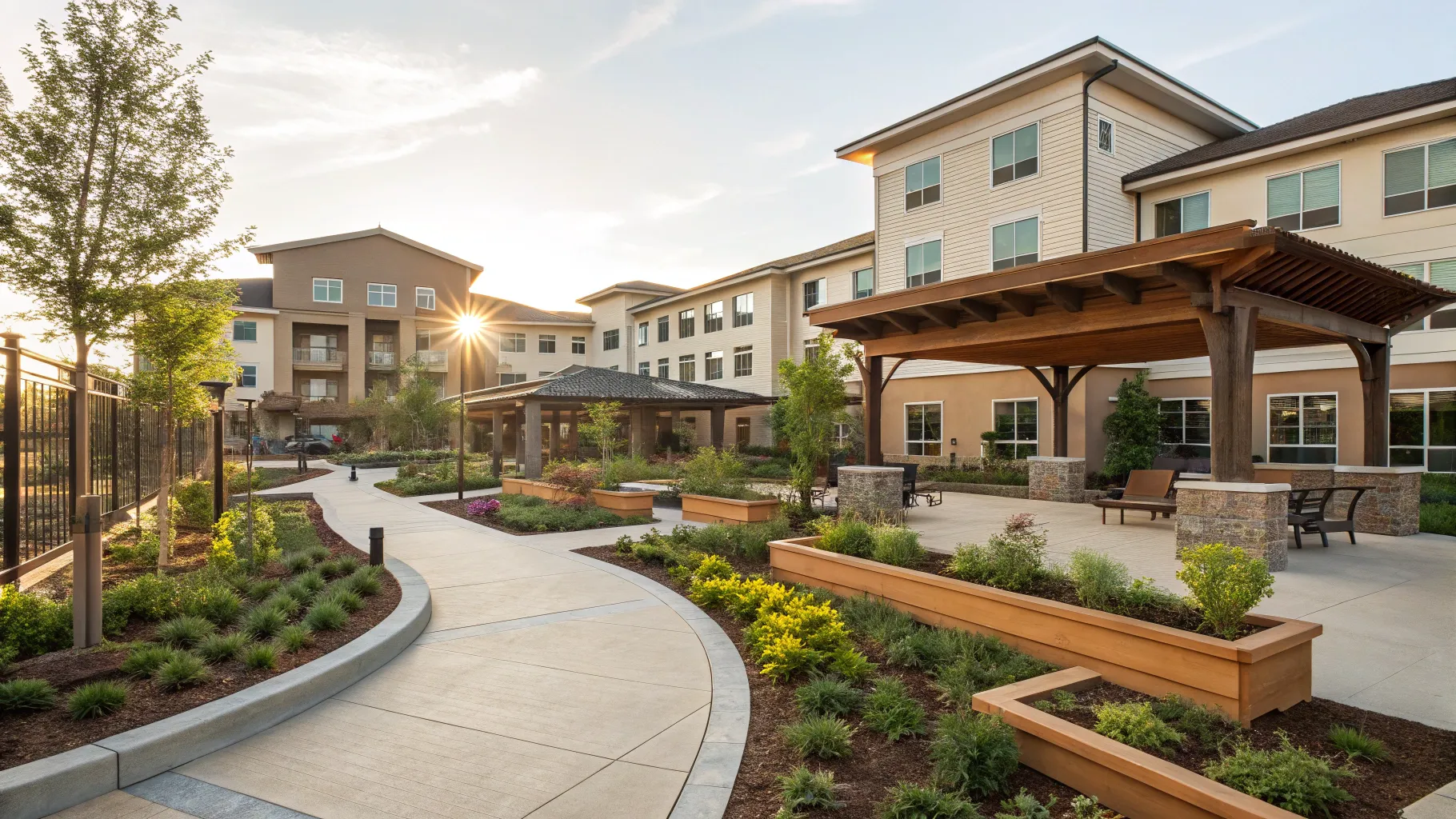
- Outdoor Spaces: Gardens and walking paths designed for accessibility enhance the living experience.
- Cultural Programs: Many facilities focus on integrating various cultural and recreational programs, such as music therapy or art classes.
Finding the right housing solutions for seniors with special needs entails considering individual needs, preferences, and financial capabilities. From exploring types of housing available to understanding costs and healthcare support, careful planning can ensure a better quality of life for seniors.
Ultimately, providing seniors with specialized housing is about empowering them to maintain a fulfilling and active lifestyle while receiving the necessary care. With thoughtful support and available resources, seniors with special needs can thrive in their communities.
Authored by FreshLifeWire team