Housing Prices 2015 to 2025 Changes and Trends
Housing Prices 2015 vs 2025 What Changed in 10 Years
The real estate market has experienced significant transformations over the last decade, especially when we compare housing prices in 2015 with those in 2025. The evolution of housing prices reflects broader economic trends and societal changes and tells us much about affordability, investment choices, and regional dynamics affecting homeownership. Let's delve into some critical factors that have influenced housing prices in this period.
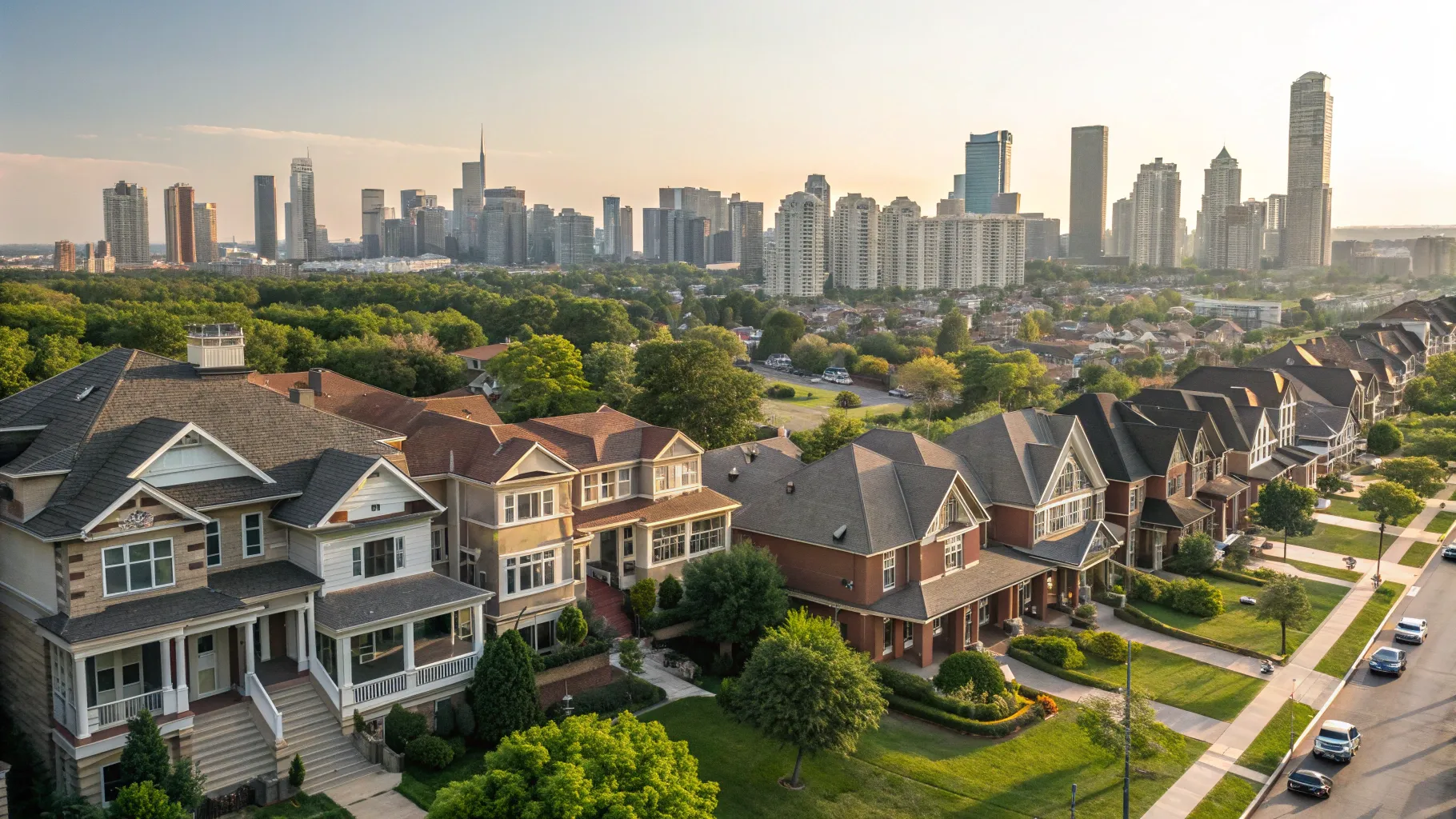
Housing Affordability 2015 vs 2025
One of the most striking changes is in the aspect of housing affordability. In 2015, the national median home price was around $250,000, making it relatively accessible for many potential buyers. Fast-forward to 2025, where median home prices have soared to over $400,000. This dramatic increase of 60% raises questions about how prospective buyers can afford homes in a market where income growth has not kept pace.
In 2015, around 60% of homebuyers could find properties within their budget; however, this statistic has drastically shifted in 2025. Now, just 40% of homebuyers are finding similar opportunities. The factors leading to this decline in affordability encompass a myriad of economic issues, including wage stagnation, inflation, and of course, rising interest rates from the Federal Reserve designed to counter economic inflation.
- Income Growth: While median incomes were rising modestly in 2015, real wages have largely plateaued in 2025. The economic recovery post-pandemic has led to substantial job growth, yet many people still experience salary compression, particularly in the lower and middle-income brackets.
- Inflation Impacts: The inflationary pressures witnessed in the early 2020s have placed tremendous strain on household finances, particularly for renters and first-time homebuyers.
Factors Behind Rising Housing Prices
The rise in housing prices from 2015 to 2025 can be attributed to several interrelated factors:
- Supply Chain Disruptions: The aftermath of the COVID-19 pandemic has led to substantial disruption in global supply chains, impacting the cost of building materials. Lumber, steel, and concrete prices surged significantly, adding an estimated $30,000 to the average cost of new construction homes.
- Government Policies: Governments have attempted to spur housing construction through better zoning laws and tax incentives for builders. However, these initiatives have not adequately offset the increased costs of production and land in many metro areas, thereby failing to impact housing prices positively.
- Urbanization Trends: There is an ongoing trend of individuals relocating to urban centers, driven in part by job opportunities and lifestyle changes. Increased demand in metropolitan areas without a corresponding increase in supply has directly inflated housing prices.
- Interest Rates: In the wake of the pandemic, the Federal Reserve's attempts to stabilize the economy led to historically low-interest rates for mortgages and loans. However, recognizing the inflationary impacts, the Fed has reversed course recently, raising rates, thereby putting pressure on homebuyers and suppressing some housing demand.
Regional Housing Price Trends 2015 vs 2025
Regional disparities paint a complex picture of the real estate market. For example, cities like Austin and Denver have seen home prices triple in just a decade, driven by tech booms and migration patterns. Conversely, some rural areas have experienced stagnant prices or even declines, reflecting a retreat from city living.
Additionally, states like Florida and Texas have become hotspots for new residents, leading to exaggerated price appreciations. In Florida, a combination of favorable taxes and climate attractiveness has resulted in 20% increases yearly over the past three years, pushing average home prices past $450,000 in 2025.
By contrast, stagnant wage growth and economic divergence are keeping some Midwestern cities relatively affordable, with average home prices hovering around $200,000. Yet, this affordability must be measured against dwindling job opportunities in some of these regions, prompting out-migration to more prosperous locales.
Cost of Home Ownership 2015 vs 2025
Analyzing the cost of homeownership reveals just how much more burdensome it has become over the decade. Without considering the initial investment, a homeowner in 2015 budgeted about $1,200 monthly for mortgage payments, property taxes, and maintenance expenses. By 2025, that cost has risen dramatically to approximately $2,000 per month.
This increase links back to the rising property tax rates, enhanced maintenance demands of older homes, and increased utility costs driven by climate change effects. Additionally, insurance premiums have also seen sharp hikes attributed to more frequent and severe weather events impacting homes nationwide.
Lessons from 10 Years of Housing Price Changes
The decade-long journey of housing prices provides prospective buyers, investors, and policymakers with crucial lessons. Firstly, it emphasizes the importance of diversifying housing portfolios and being adaptable to shifts in the market. Those who entered the market earlier benefitted significantly from appreciation, but the critical issue now revolves around affordability and access.
Secondly, there is a pressing need for innovative solutions to address the growing housing crisis. Initiatives to create affordable housing or incentivizing the construction of smaller, more efficient homes would dramatically alter the landscape of homeownership in the U.S.
As we monitor future movements in housing prices, all stakeholders must remain vigilant and active to navigate the ever-evolving landscape shaped by economic, demographic, and environmental factors.
Authored by FreshLifeWire team