Hospital Receptionist Jobs Roles Skills and Opportunities
Exploring Hospital Receptionist Jobs
In the ever-evolving landscape of healthcare, hospital receptionists play a crucial role in ensuring smooth operations within medical facilities. These dedicated professionals are often the first point of contact for patients, visitors, and healthcare providers, making their job essential for creating a welcoming atmosphere. As we delve into hospital receptionist jobs, we’ll explore their roles and responsibilities, the required skills and qualifications, and the opportunities available in this sector.
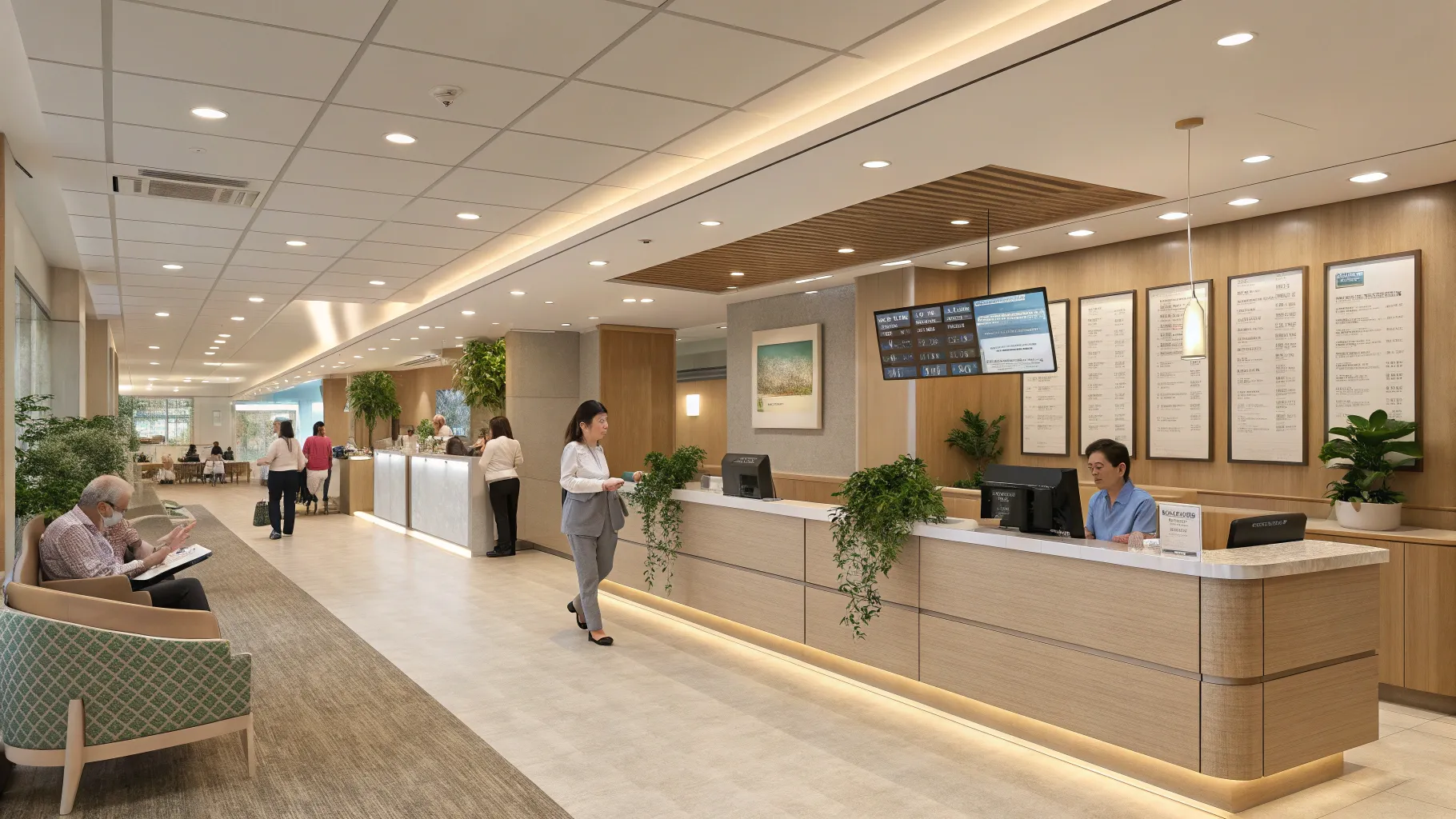
Roles and Responsibilities of Hospital Receptionists
Hospital receptionists manage a variety of tasks that keep the healthcare environment functioning efficiently. Here are some of their primary duties:
- Patient Interaction: Greeting patients and visitors, answering inquiries, and directing them to the appropriate department are fundamental tasks. Making patients feel welcomed is paramount in reducing anxiety and improving their overall experience.
- Appointment Scheduling: Receptionists are responsible for managing patient appointments, confirming bookings, and rescheduling as necessary. This requires a good understanding of different medical services offered and the schedules of healthcare providers.
- Data Entry: Hospital receptionists often enter patient information into electronic health record (EHR) systems. Accuracy in this task is critical as it ensures that medical professionals have the correct information to make informed decisions regarding patient care.
- Insurance Verification: They often assist patients with insurance queries and verify coverage during the check-in process. Understanding how to navigate insurance protocols is particularly important in ensuring that billing processes proceed smoothly.
- Administrative Support: Hospital receptionists frequently handle phone calls, manage medical records, and facilitate communication between departments and medical staff, which is crucial for effective healthcare delivery.
All these responsibilities emphasize the importance of being organized, multitasking, and having excellent interpersonal skills. Moreover, the job requires a keen attention to detail and the ability to maintain confidentiality regarding sensitive patient information.
Skills and Qualifications Required for Hospital Receptionist Positions
To excel as a hospital receptionist, certain skills and qualifications stand out:
- Communication Skills: Effective verbal and written communication skills are essential. Receptionists must convey information clearly to patients and collaborate efficiently with medical staff.
- Organizational Skills: With numerous tasks happening simultaneously, a hospital receptionist must prioritize effectively and manage time adeptly to ensure that all duties are completed in a timely manner.
- Technical Proficiency: Familiarity with EHR systems and basic office software is often a requirement. Receptionists should be comfortable using computers and handling medical software to perform their duties efficiently.
- Customer Service Orientation: A friendly and approachable demeanor is critical. Receptionists must exhibit compassion and understanding, particularly in stressful situations.
- Problem-Solving Skills: Issues often arise in healthcare settings, and the ability to think on your feet and resolve these issues promptly is invaluable.
In terms of qualifications, many employers prefer candidates who have completed a high school diploma or equivalent, though some may require postsecondary education in medical administration or a related field. Certification programs, such as those from the National Healthcareer Association, can also enhance job prospects.
Part-Time Hospital Receptionist Jobs
Part-time hospital receptionist jobs have become increasingly popular, offering flexible hours to those seeking a work-life balance. These positions can be ideal for students, parents, or retired individuals looking to re-enter the workforce. Recent statistics show a demand for part-time roles, particularly as hospitals adapt to fluctuating patient volumes and staffing needs.
For instance, many large hospital systems offer shifts that accommodate various schedules, including evenings and weekends. This flexibility allows part-time receptionists to work around their other commitments while still contributing to their communities in critical healthcare environments.
Hospital Receptionist Jobs for Seniors
Seniors can find rewarding opportunities as hospital receptionists, benefiting from their vast experience and often having excellent interpersonal skills honed over the years. Many hospitals actively seek to hire older workers, recognizing the value of their maturity and reliability.
Additionally, senior-friendly training programs have emerged, providing the necessary skills and confidence to navigate technology in the healthcare industry. This trend speaks to a broader societal push towards inclusivity in the workplace, valuing the contributions of experienced individuals.
Job Outlook and Career Opportunities for Hospital Receptionists
The job outlook for hospital receptionists remains promising, with the Bureau of Labor Statistics projecting a steady demand for these positions over the next few years. As healthcare facilities expand and new medical practices emerge, the need for skilled receptionists will continue to grow.
Notably, there are opportunities for career advancement. Many receptionists choose to further their education or specialize in areas like medical billing and coding, which can lead to higher salaries and more responsibility. Some may eventually transition into administrative roles or even management positions within the healthcare sector.
Tips to Find Hospital Receptionist Positions
Finding a hospital receptionist position can be competitive but achieving success often comes down to strategic job searching. Here are some effective tips:
- Network: Attend healthcare job fairs, connect with professionals on platforms like LinkedIn, and inform your existing contacts that you’re exploring opportunities.
- Tailor Your Resume: Customize your resume and cover letter for each application, emphasizing relevant skills and experiences that align with the hospital’s needs.
- Utilize Job Boards: Websites such as Indeed, Glassdoor, and hospital-specific career pages regularly post open positions. Setting up job alerts can keep you informed about new postings.
- Volunteer: Gaining experience as a volunteer in a healthcare setting can provide valuable insights and may lead to job opportunities later on.
- Prepare for Interviews: Familiarize yourself with common interview questions and practice responses that highlight your experience in customer service and your ability to handle various tasks in a fast-paced environment.
Navigating the job market can be challenging, but being proactive, committed, and well-prepared often leads to successful employment outcomes. As you explore the possibilities within this fulfilling career, keep in mind the critical role hospital receptionists play in the healthcare system, making their contributions invaluable to patient care and hospital operations.
Authored by FreshLifeWire team