Home-Based Stroke Recovery Programs for Stronger Healing
Recover Stronger After Stroke with Home-Based Programs
Stroke recovery is a journey that can often feel daunting, but thanks to advances in rehabilitation, many stroke survivors are finding success with home-based programs. These programs not only facilitate recovery in the comfort of one’s own home but also empower individuals with the tools they need to reclaim their lives. In this article, we explore the various aspects of home stroke rehabilitation, examining its effectiveness, benefits, and the resources available to stroke survivors in the USA.
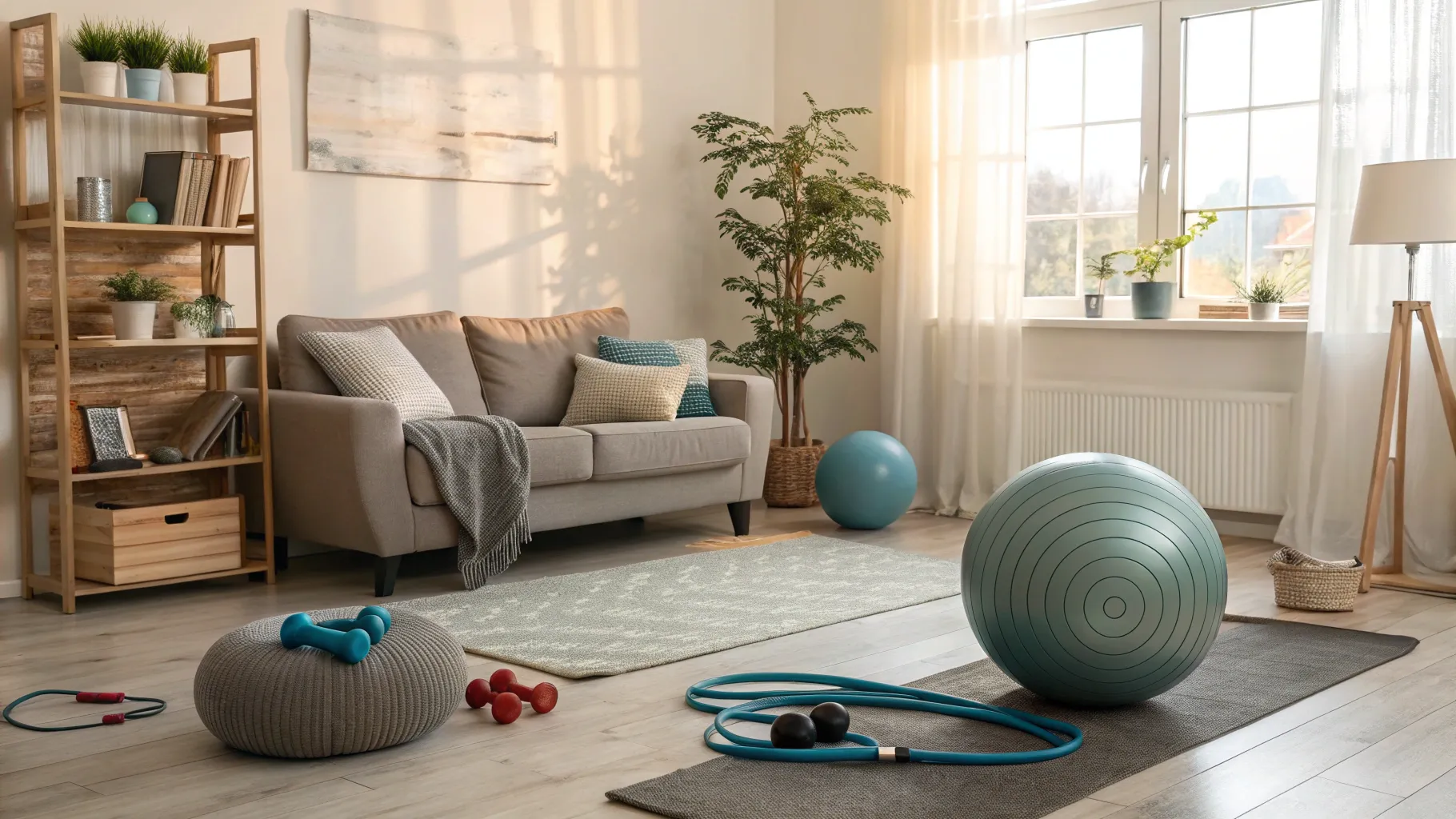
Understanding Home Stroke Rehabilitation
Home stroke rehabilitation refers to a variety of therapies and exercises that individuals can perform at home following a stroke. With advancements in technology, including telerehab and online resources, patients have more access to personalized care than ever before. A recent survey indicated that over 70% of stroke survivors in the USA utilize some form of home rehabilitation program for their recovery.
What makes home-based recovery appealing? For many, it offers a sense of comfort and familiarity. Instead of navigating the sometimes intimidating environment of a clinic, individuals can rehabilitate surrounded by their family and loved ones. This emotional support is also critical for mental well-being during the recovery process.
Components of Home Stroke Rehabilitation
Effective home-based stroke recovery programs include several key components, each tailored to the needs of the individual. Here are some essential elements that are commonly integrated into these programs:
- Physical Therapy: Guided physical therapy exercises help improve movement, coordination, and strength. Customized exercises often focus on specific deficits like balance or muscle weakness due to the stroke.
- Occupational Therapy: This helps survivors regain the skills necessary for daily living, such as dressing, eating, and bathing. Therapists may provide techniques to simplify these tasks or exercises to improve fine motor skills.
- Speech Therapy: Many stroke survivors experience difficulties with speech and swallowing. Speech therapy can support recovery in these areas, allowing individuals to communicate effectively and enjoy meals safely.
- Emotional Support: Mental health is a crucial element of recovery. Programs often include counseling, support groups, or mindfulness practices to help survivors cope with anxiety, depression, or frustration.
Telerehab: The Future of Stroke Recovery
One of the groundbreaking advancements in stroke recovery has been the rise of telerehab. This approach uses telecommunication technologies to deliver rehabilitation programs remotely. In early 2025, studies showed that telerehab programs had increased accessibility, particularly in underserved rural areas. The average waiting time for in-person rehabilitation has been reduced drastically due to the flexibility that telerehab offers.
For instance, a case study involving a group of patients in a rural part of the USA demonstrated a 40% improvement in their functional independence measures after participating in telerehab sessions. These sessions included direct video conferencing with physical and occupational therapists, which allowed for personalized feedback and support.
Post-Stroke Physical Therapy
Recovering from a stroke often requires a structured physical therapy regimen. Research conducted last year showed that intensive outpatient stroke rehab programs improve outcomes significantly compared to standard home exercises. Integrating intensive therapy sessions within home programs can accelerate recovery.
Additionally, incorporating technology like wearable devices can provide valuable data to both therapists and patients. These tools track progress in real time, allowing adjustments to be made to the rehab plan as needed, ensuring that the recovery process remains efficient.
The Financial Aspect of Stroke Rehabilitation
When considering stroke rehabilitation, understanding the costs involved is just as crucial. A common concern among stroke survivors and their families is the financial burden of attending rehabilitation centers. Fortunately, many insurance providers now cover home-based rehabilitation programs, particularly when prescribed by a doctor. This includes coverage for telerehab and outpatient therapies.
On average, the cost of intensive outpatient stroke rehab can hover around $200 per session, but many insurance policies will offset some of this expense if specific criteria are met. Therefore, it’s essential for patients to discuss their options with their healthcare providers and insurance representatives to ensure they receive adequate coverage.
Setting a Stroke Recovery Timeline
Each stroke recovery journey is unique, and timelines may vary widely. However, generally speaking, the most significant progress tends to occur within the first six months post-stroke. Active participation in home-based programs during this time can enhance recovery speed and efficacy. Many survivors begin to notice improvements within a few weeks of implementing a structured rehabilitation plan, with the full benefits realized over months as activities increase.
It is vital for survivors to set realistic goals and celebrate small victories along the way, which helps to maintain motivation and build confidence. Engaging family members in the recovery process can also create a supportive environment that encourages continued effort and progress.
The Road Ahead in Stroke Rehabilitation
As more stroke survivors turn to home-based recovery programs, the future of rehabilitation looks promising. With the integration of technology, increased accessibility through telerehab, and a focus on holistic recovery methods, individuals are finding hope and empowerment in their journeys. Every stroke survivor has the potential to recover stronger with the right program and support.
Whether you’re a caregiver, a stroke survivor, or someone looking to support a loved one, understanding the tools and resources available is essential. Together, we can face the challenges of stroke recovery and turn them into successes. Remember, recovery is not just about healing the body but also nurturing the soul to build a fulfilling life post-stroke.
Authored by FreshLifeWire team