Home Backup Power and 30kW Diesel Generators Guide
Residential Backup Power Essentials for Modern Homes
Residential backup power is no longer a niche luxury. In 2025, more households regard a reliable power source as part of basic home safety. A typical setup combines a diesel generator with an automatic transfer switch and smart load management so the house stays powered through outages without manual intervention. You will find this approach common in storm-prone regions and in areas with aging grids. The aim is simple: keep essential circuits energized while preventing overloading and unnecessary fuel use during a routine outage.
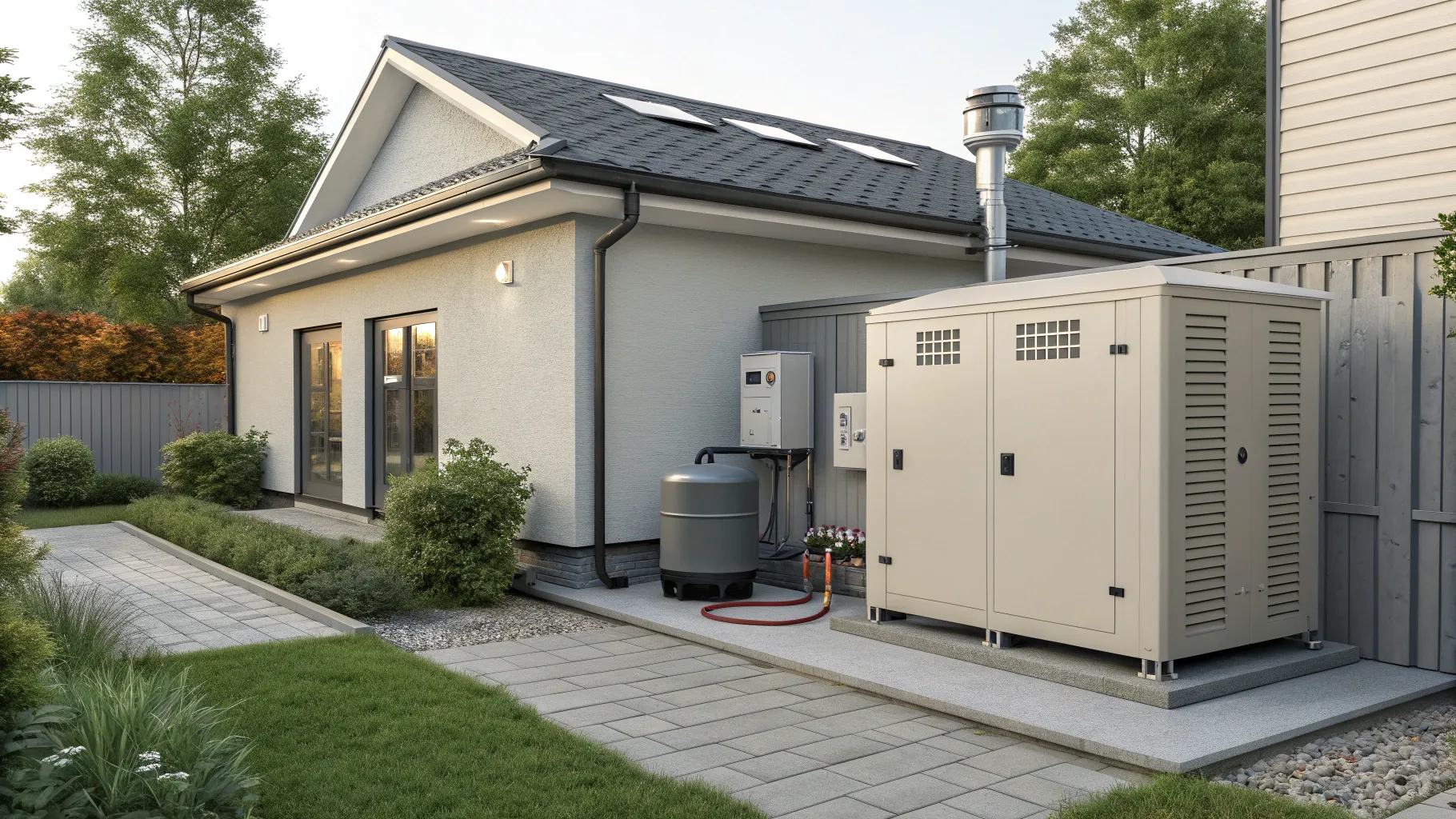
Key components you should know about include the generator set (the diesel engine that actually produces electricity), the automatic transfer switch (ATS) that detects a loss of grid power and starts the generator, and a fuel system with a properly sized storage tank. You may also add a weatherproof enclosure, exhaust clearance, sound attenuation, and a monitoring system so you can verify operation from your phone. In practice, the difference between a half hearted backup and a fully operational system is often in the planning phase. A solid plan considers peak loads, typical outage duration, and local codes.
Recent outages across the United States in 2024 and 2025 show how outages can disrupt daily life for hours or even days in some regions. Homeowners increasingly view backup power as a way to protect refrigeration, climate control, water heating, and critical electronics. Installing a system with a 10 to 30kW range gives you flexibility for most modern homes, while a smaller system focuses on essential circuits only. Budgeting should include not just the equipment but also professional permitting, inspection, and a proper fuel strategy that aligns with local storage requirements.
Understanding 30kW Diesel Generators for Full Home Power
A 30kW diesel generator is a common choice for larger homes or those with heavy simultaneous loads, such as multiple air conditioners, heat pumps, and electric water heating. In practical terms, a 30kW unit can typically support all essential circuits in a well insulated home while giving you headroom for periodic high demand. The exact performance depends on your load profile, but the goal is to reach a comfortable balance between continuous power and fuel efficiency. For many households, this means pairing the genset with an automatic transfer switch and a smart controller that prioritizes critical loads during a suboptimal grid condition.
When sizing, think in terms of load priorities rather than just raw watts. A common approach is to map essential circuits first: refrigeration, lighting, electrical outlets, one or two HVAC zones, water heater, and so on. If your heat pump runs on a separate circuit, you may need load shedding to avoid tripping the system during a surge. Case studies from 2025 show that homeowners who did a formal load analysis upfront saved time and money, avoiding oversized equipment that adds upfront cost and ongoing fuel burn. A well designed 30kW system can maintain comfort while keeping energy costs predictable during outages.
Maintenance and fuel considerations are part of the long term picture. Diesel engines prefer clean air and regular oil changes, typically on a schedule that matches runtime rather than a calendar. Expect routine service every 6 to 12 months or after a fixed number of operating hours, whichever comes first. With fuel, a practical rule is to store enough to cover several outages while staying within local storage limits. Many communities require containment and spill protection for outdoor tanks. A 30kW genset also benefits from a properly sized exhaust system to meet noise and emission standards, especially in neighborhoods with close proximity to living spaces.
Real world case notes from 2025 illustrate the value of a resilient system. In a suburban neighborhood experiencing frequent winter outages, a family installed a 30kW diesel generator with a 1500 liter tank. During a two day outage, their critical devices—refrigerator, freezer, sump pump, and climate control—remained uninterrupted. In another scenario, a multi story home used load management to run essential loads during peak afternoon heat, then allowed the system to auto replenish during off-peak hours. These examples show the practical benefit of smart control and well matched equipment rather than simply chasing the highest horsepower.
Choosing Residential Generator Options and How to Get It Right
Beyond a 30kW diesel generator, residential generator options range from compact 6 to 12kW units designed for essential circuits to large 20 to 60kW sets intended for whole home power. Your choice hinges on climate, home size, and how you plan to use the system. For some buyers, a hybrid approach makes sense—combining a smaller diesel generator with a battery backup and smart transfer switch to cover basics without burning fuel through long outages. The decision also involves permitting, professional installation, and a clear maintenance plan. Real 2025 data shows homeowners who invest in a professional design and a verified maintenance schedule report fewer false starts and longer equipment life.
Simple steps to get started include: perform a load analysis, decide on essential circuits, design the transfer switch layout, and choose a fuel strategy that matches local codes. Budget for the initial install plus ongoing maintenance and periodic testing. Ask installers about coordination with your home’s smart panels and whether they offer remote monitoring. A good installer will walk you through safety, including vent clearances, CO detectors, and wind/snow considerations that influence siting and enclosure design.
In summary, 2025 continues to push residential backup power from a convenience to a practical necessity for many homeowners. A properly sized 30kW diesel generator paired with an intelligent transfer system keeps critical loads energized, supports comfort, and provides peace of mind during outages. The right plan blends load awareness, professional installation, and a sustainable fuel approach to deliver dependable power when it matters most.
Authored by FreshLifeWire team