Hip Replacement Surgery for Seniors Types Costs Recovery
Understanding Hip Replacement Surgery for Seniors
Hip replacement surgery has emerged as a crucial procedure for many seniors experiencing chronic hip pain due to conditions like arthritis or past injuries. This surgical intervention can dramatically enhance mobility and lead to a substantial improvement in the overall quality of life. In fact, with nearly 500,000 hip replacements performed annually in the United States as of 2025, the effectiveness of this operation is more apparent than ever. Many seniors find themselves able to engage in daily activities, such as taking leisurely walks in the park or even rising from a chair without discomfort, significantly reclaiming their independence.
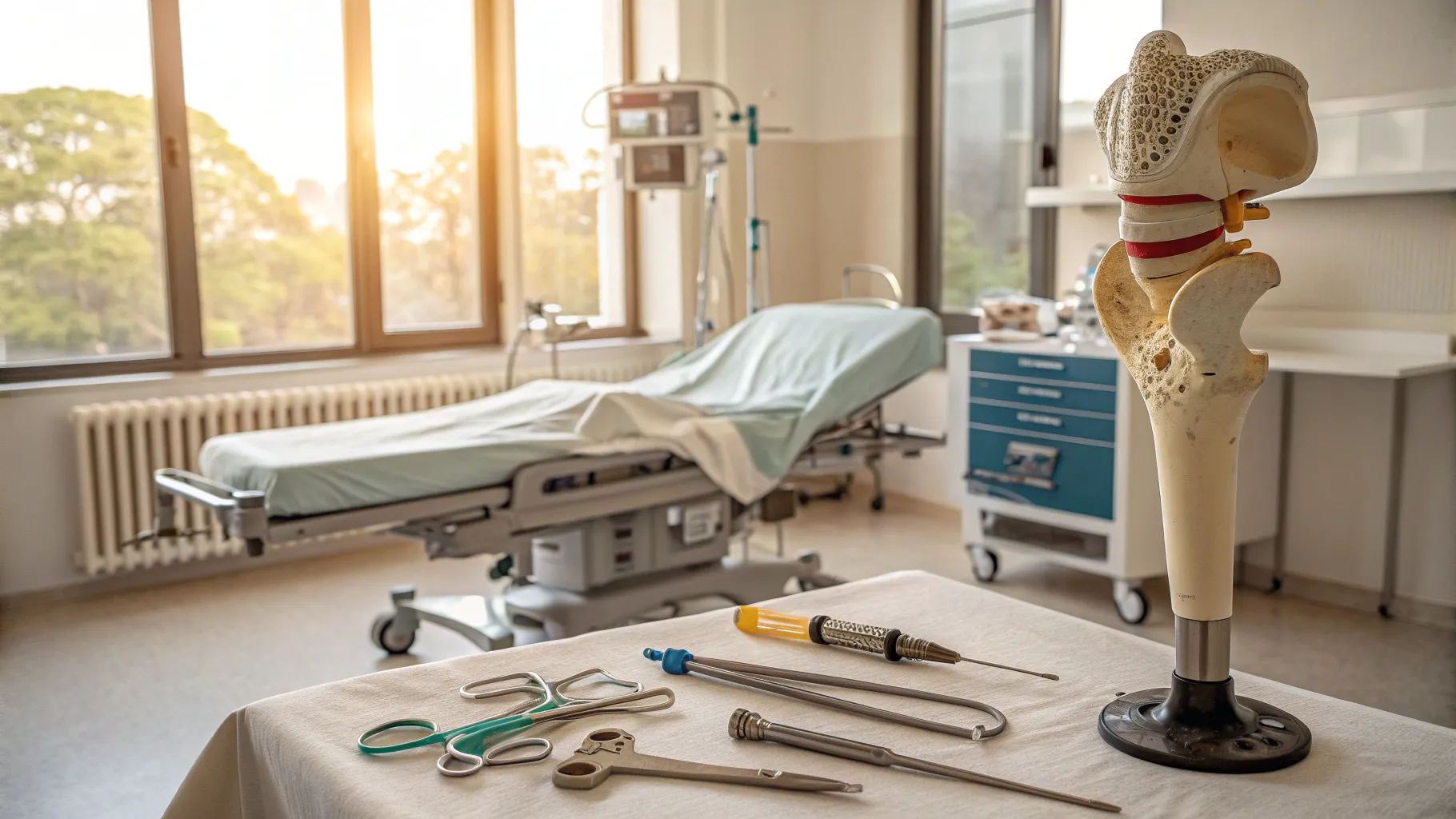
Types of Hip Replacement
There are primarily two types of hip replacement surgeries available: total hip replacement (THR) and partial hip replacement (PHR). Understanding these options is vital as they can greatly influence the treatment approach chosen for a patient.
- Total Hip Replacement: In total hip replacement surgery, both the femoral head—the top of the thigh bone—and the acetabulum (the hip socket) are replaced with artificial components. This procedure is generally recommended for individuals with extensive damage to the joint, commonly due to conditions such as osteoarthritis.
- Partial Hip Replacement: Also known as hemiarthroplasty, this procedure only involves replacing the femoral head while leaving the natural socket intact, provided it is healthy. PHR is often advisable for older patients or those experiencing less severe joint damage.
Recent advancements in surgical techniques have introduced minimally invasive surgeries, which have led to quicker recovery times and reduced postoperative pain. Studies over the past six months indicate that these modern techniques have significantly shortened average hospital stays and minimized complications, thus effectively enhancing patient satisfaction and overall outcomes.
Cost of Hip Replacement Surgery
When considering hip replacement surgery, it's essential to factor in the associated costs, which can vary widely based on several variables, including geographical location, the specific type of procedure performed, and the healthcare facility involved. Currently, the average cost for hip replacement surgery ranges from $30,000 to $50,000. This amount typically encompasses pre-operative assessments, the actual surgery, and required post-operative care.
Most insurance plans, including Medicare, usually cover a significant portion of these costs, but out-of-pocket expenses can still be considerable for many seniors. Therefore, it is advisable for seniors to thoroughly review their insurance coverage and, if necessary, consult with a financial advisor to navigate any uncertainties regarding payment options.
Recovery and Rehabilitation after Hip Replacement
Recovery from hip replacement surgery is a gradual yet transformative process, often extending over several months as patients engage in rehabilitation. The initial days following surgery are critical; patients are often encouraged to begin moving as soon as possible to build strength and facilitate recovery.
Physical Therapy Plans
Physical therapy is an essential component of rehabilitation following a hip replacement. Most patients commence therapy sessions within a week after surgery, focusing initially on:
- Alleviating pain and swelling at the surgical site
- Restoring the range of motion in the hip joint
- Strengthening the muscles around the hip for better support
As recovery progresses, therapy regimens evolve to include exercises targeting:
- Enhancing mobility and overall balance
- Improving gait stability, whether with or without assistive devices
- Building muscle strength and endurance to facilitate daily activities
Many patients find that they can resume most of their daily routines within six weeks post-surgery, while complete recovery often takes about three to six months. Active participation in a structured rehabilitation program is crucial for achieving optimal mobility outcomes.
Expected Mobility Outcomes
Research shows that over 90% of individuals undergoing hip replacement surgery can regain a full range of motion within the first year after the procedure. Patients frequently report significant reductions in pain, allowing them to return to cherished activities—whether that’s gardening, enjoying coffee with friends, or participating in local sports. The advancements in surgical methods and rehabilitation strategies are contributing to better outcomes for seniors, facilitating a more active and less painful lifestyle.
Risks and Complications
Despite the high success rates of hip replacement surgeries, awareness of potential risks and complications is critical. Common concerns include:
- The risk of infection at the site of surgery
- Possible development of blood clots in the legs or lungs
- Dislocation of the prosthetic joint
- Fractures near the implant site
Being knowledgeable about these risks empowers patients to engage in open and informative discussions with their healthcare providers before and after the surgery. Regular follow-up appointments are pivotal for monitoring recovery and addressing any emerging issues promptly.
As of now, a wealth of resources and support systems are available to assist seniors throughout their recovery journey. They should feel empowered to actively participate in their rehabilitation and maintain an open line of communication with their healthcare teams, ensuring that all questions and concerns are adequately addressed during this critical period.
Ultimately, hip replacement surgery stands out as an invaluable solution for seniors struggling with persistent hip pain and limited mobility. By understanding the types of surgeries available, grasping the financial implications involved, and committing to a tailored rehabilitation plan, seniors can look forward to a revitalized and more active lifestyle post-surgery. The ongoing advancements in medical technology hold great promise for even better surgical techniques and outcomes, making hip replacements an increasingly reliable option for seniors pursuing an enhanced quality of life.
Authored by FreshLifeWire team