Hidden Signs of Osteoporosis You Should Never Ignore
Understanding the Hidden Signs of Osteoporosis
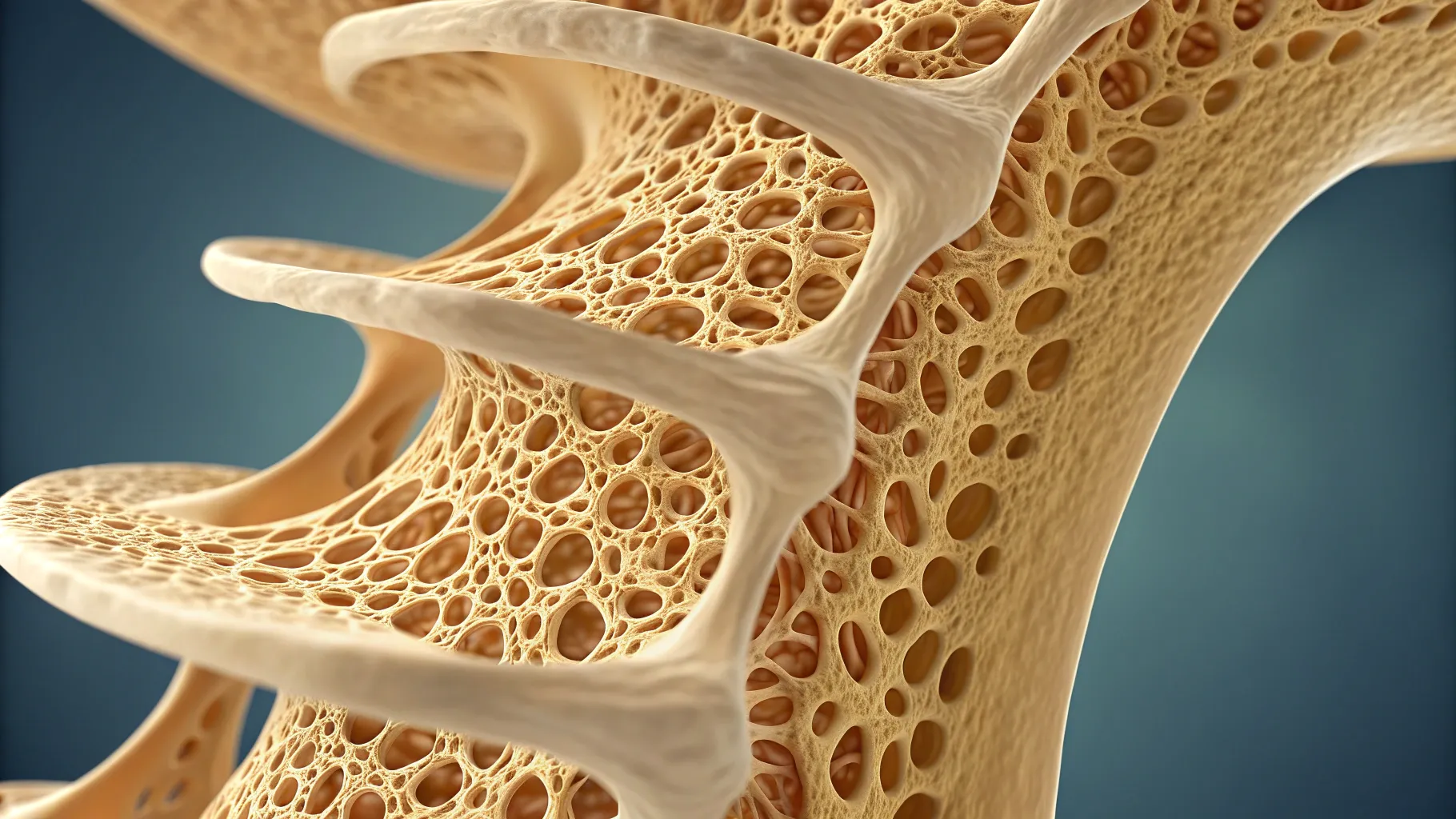
Osteoporosis is often dubbed a silent disease, as its signs can be subtle and may go unnoticed until a fracture occurs. It is a condition characterized by weakened bones that become brittle and more susceptible to breaks. In 2025, with increasing awareness and advancements in medical research, recognizing the hidden signs of osteoporosis has never been more crucial. Understanding these signs can lead to earlier diagnosis and intervention, ultimately improving outcomes for individuals at risk.
How Common is Osteoporosis?
Approximately 10 million people in the United States live with osteoporosis, according to the latest estimates. Furthermore, about 44 million individuals have low bone mass, placing them at a higher risk for developing the disease. Osteoporosis affects people of all ages, but it is particularly prevalent among older adults, especially postmenopausal women. Awareness of risk factors and early signs is key, especially as research continues to evolve, revealing new insights into managing bone health.
Recognizing the Hidden Signs of Osteoporosis
While many may associate osteoporosis exclusively with severe back pain or height loss, the reality is that various minor symptoms can serve as warning signs. Here are some hidden indicators to watch for:
- Persistent Bone Pain: Unlike typical muscle soreness, bone pain can signal underlying issues. If you frequently experience discomfort in your back or joints without a clear origin, it could be a sign of weakening bones.
- Fractures from Minor Falls: Have you found yourself with a fracture from an accident that didn’t seem severe? Broken bones from low-impact incidents are classic indicators of osteoporosis. In recent studies, individuals over 50 with such fractures are advised to get screened for bone density issues.
- Difficulty Standing Up Straight: A noticeable change in posture, such as a slight hunch or slouch, may suggest compression fractures in the spine, commonly associated with osteoporosis. Regularly assessing your posture can help catch early signs.
- Nail or Hair Changes: While seemingly unrelated, brittle nails and thinning hair may also be signs of nutrient deficiencies, potentially linked to poor bone health. Adequate intake of vitamins like D and K is essential for maintaining bone density.
- Sudden Changes in Height: Height loss—typically more than two inches—can suggest vertebral fractures due to osteoporosis. Monitoring your height periodically can reveal potential issues.
Risk Factors You Shouldn't Ignore
In addition to hidden signs, various risk factors significantly contribute to the likelihood of developing osteoporosis. Age is a primary factor; however, others warrant attention:
- Gender: Women are more likely to develop osteoporosis than men, especially after menopause due to a drop in estrogen levels, which protect bones.
- Family History: If osteoporosis runs in your family, you are at a higher risk. Genetics plays a vital role in determining bone density and overall bone health.
- Lifestyle Choices: Factors such as smoking, excessive alcohol consumption, and a sedentary lifestyle contribute to bone density loss. Engaging regularly in weight-bearing exercises can instill significant protective measures.
- Nutritional Deficiencies: Insufficient calcium and vitamin D are pivotal in maintaining bone strength. Making conscious dietary adjustments can be lifesaving.
Importance of Early Detection
Once osteoporosis takes hold, reversing its effects can be challenging. Research shows that those who identify and manage their condition early not only experience fewer fractures but also maintain a better quality of life. Regular screenings, such as bone density tests (DEXA scans), become crucial for individuals over 50 or those with known risk factors. Routine checks enable medical professionals to consistently monitor bone health and create personalized care plans. In fact, many individuals are unaware of their osteoporosis status until they suffer a fracture, emphasizing the need for preventative measures.
Dietary and Lifestyle Adjustments
Listening to your body's signals is essential when addressing the hidden signs of osteoporosis. Here are some actionable steps you can take:
- Adopt a Bone-Healthy Diet: Focus on incorporating calcium-rich foods such as dairy products, leafy greens, and fortified cereals into your meals. Moreover, consider vitamin D sources like fatty fish and sunlight exposure to boost bone health.
- Engage in Weight-Bearing Exercises: Activities that promote weight-bearing, such as walking, dancing, and resistance training, can significantly strengthen bones.
- Avoid Smoking and Limit Alcohol: Smoking and excessive alcohol intake contribute to bone loss. Making a conscious effort to eliminate these habits can have positive effects on overall bone strength.
- Regular Health Checkups: Schedule annual visits with your healthcare provider to monitor bone health and discuss any concerning symptoms.
Being proactive about recognizing the hidden signs of osteoporosis and understanding risk factors is essential for maintaining bone health, especially as one ages. Utilize the resources available to you, stay informed, and prioritize your bone health to prevent the often-silent ramifications of this disease.
In a society where lifespan is increasing, ensuring strong bones is crucial to enjoying a full and active life. By taking charge of your bone health today, you can lead a more confident and fulfilling tomorrow, free from the fears of osteoporosis and its devastating consequences.
Authored by FreshLifeWire team