Hidden Signs of COPD You Should Recognize Early
Hidden Signs of COPD You Shouldn't Ignore
Chronic Obstructive Pulmonary Disease (COPD) encompasses a variety of progressive lung diseases, including emphysema and chronic bronchitis. As we navigate through 2025, awareness of COPD has greatly increased; however, many remain unaware of the subtle and hidden signs that can signal the onset of this debilitating condition. Understanding these signs is crucial for early diagnosis and effective management, ultimately improving the quality of life for those at risk.
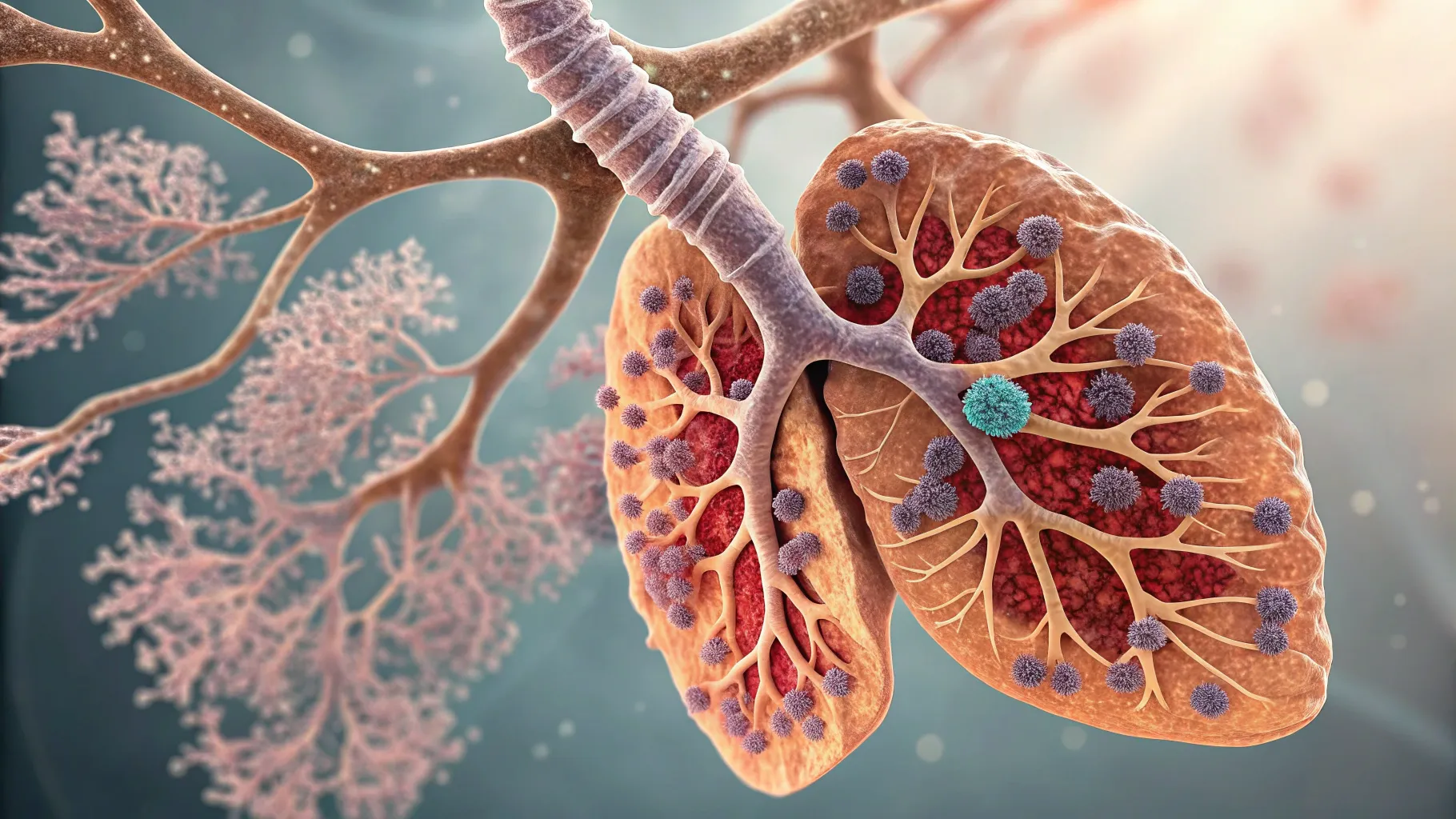
Understanding the Hidden Signs
Commonly known symptoms of COPD include shortness of breath, chronic cough, and excessive mucus production. Yet, hidden signs often go unrecognized. It's essential to be vigilant about these less obvious symptoms, as they can provide invaluable insights into lung health.
- Fatigue and Weakness: A persistent feeling of tiredness can easily be brushed off as a result of a busy lifestyle. However, recent studies show that nearly 60 percent of individuals with COPD report chronic fatigue that hinders their daily activities. If you find yourself unusually drained, it is crucial to investigate this further.
- Frequent Respiratory Infections: Those suffering from COPD may face a higher risk of lung infections such as bronchitis or pneumonia. If recurrent infections plague you, it's worth consulting a healthcare provider. Often, chronic infections can indicate underlying COPD, even if you don't exhibit obvious breathing problems.
- Unexpected Weight Loss: If you're experiencing sudden unexplained weight loss, it could be a signal that your body is working extra hard to breathe. Individuals with COPD may encounter muscle wasting as their body struggles to meet oxygen demands, leading to unintentional weight loss.
- Changes in Sleep Patterns: Sleep disturbances are common among COPD patients, stemming from breathing difficulties or anxiety related to their condition. If inconsistent sleep patterns are affecting you, consider that these may be linked to hidden respiratory issues.
- Swelling in Feet or Ankles: Although it may seem unrelated, swelling can signal the body's struggle with oxygen levels. Recent research has shed light on how fluid retention can manifest in COPD patients, often requiring medical attention.
Why Recognizing These Signs Matters
With COPD being the third leading cause of death worldwide, identifying hidden signs early can be life-saving. Just within the past few months, a poignant case study highlighted a 55-year-old woman who initially dismissed her persistent fatigue and recurring respiratory infections as signs of aging. After consulting her healthcare provider, she was diagnosed with early-stage COPD. Prompt intervention allowed her to adopt an effective treatment plan, significantly improving both her lung function and overall well-being.
Recognizing these red flags is paramount not just for seeking medical intervention but also for altering the course of the disease. When symptoms are addressed early, many patients can lead more active and fulfilling lives, avoiding severe complications.
Taking Proactive Steps
Understanding the hidden signs of COPD is just the beginning; taking proactive measures can significantly alter your health trajectory. Here are some vital steps for individuals at risk:
- Regular Screening: Consider routine lung function tests, especially if you are a smoker or have been exposed to lung irritants. Many individuals with COPD remain undiagnosed for long periods. Regular check-ups can provide crucial insights.
- Healthy Lifestyle Changes: Adjusting lifestyle choices can greatly benefit lung health. Quitting smoking and minimizing exposure to pollutants are essential. Additionally, a balanced diet rich in antioxidants, staying well-hydrated, and engaging in regular physical exercise can help slow the progression of COPD.
- Education and Support: Joining support groups for COPD patients can offer emotional support and practical advice. Many patients find that sharing experiences and strategies can make a significant difference in managing symptoms.
- Monitoring Symptoms: Keep a daily record of any hidden signs you notice, which can inform conversations with your healthcare providers. Noting changes in fatigue levels, weight fluctuations, or frequency of respiratory infections allows you to better advocate for your health.
Healthcare professionals have increasingly emphasized the importance of being informed about COPD. Within the last six months, new resources and data have emerged, illustrating how early recognition can enhance communication between patients and healthcare providers. One such example involves the stories of patients who, after recognizing early signs, prompted their doctors to develop tailored treatment plans more focused on their specific needs.
In a time when COPD continues to affect countless individuals globally, cultivating a proactive approach to lung health is more critical than ever. Your lungs often require as much attention as any other part of your body, and by remaining aware of hidden symptoms, you can take charge of your health journey. This heightened awareness, along with support from your community, can inspire confidence in managing COPD and instill a renewed sense of control in your life.
As we push forward in 2025, committing to understanding and addressing the hidden signs of COPD is not only beneficial but necessary. Take these insights to heart and foster a healthier, more informed outlook on your lung health. Let's prioritize our respiratory well-being and make strides toward healthier living together.
Authored by FreshLifeWire team