Hidden Signs of COPD You Should Never Ignore for Health
Recognizing Hidden Signs of COPD
Chronic Obstructive Pulmonary Disease, commonly known as COPD, is a term that encompasses progressive lung diseases such as emphysema and chronic bronchitis. Despite being one of the leading causes of death globally, many individuals remain unaware they are suffering from COPD until it advances significantly. This article sheds light on the hidden signs of COPD that can help individuals identify potential issues early on.
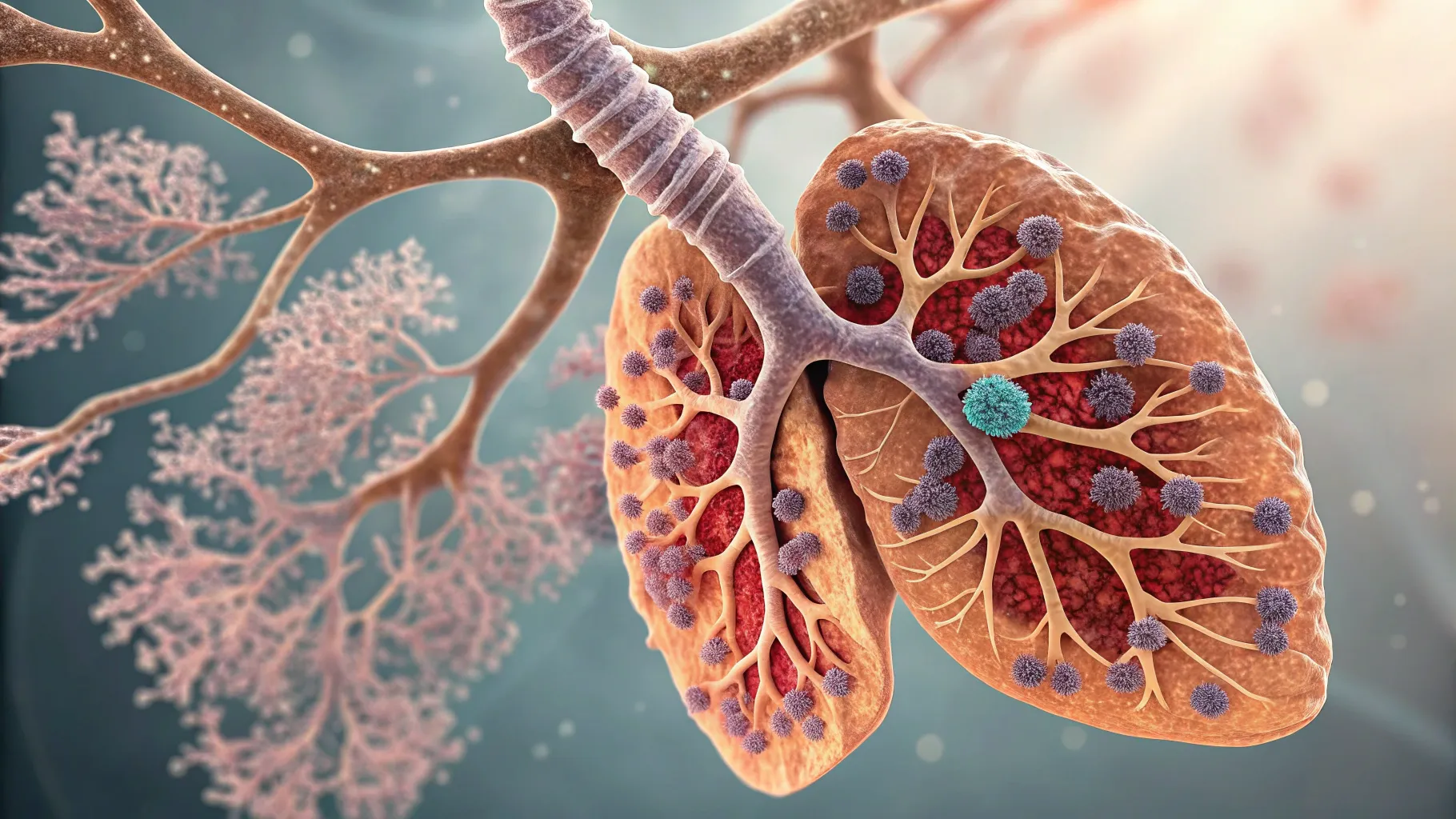
Early Indicators of COPD
The early stages of COPD can be subtle and easy to overlook. Many mistakenly attribute symptoms to aging or temporary ailments. Being aware of these signs can be crucial for timely diagnosis and management.
- Chronic Cough: A persistent cough that lasts for more than a month can be a warning signal. Often, it may produce mucus that can be clear, white, yellow, or green.
- Frequent Respiratory Infections: Individuals with early-stage COPD might find themselves battling frequent colds or respiratory infections. Changes in lung function can increase susceptibility to infections.
- Shortness of Breath: This symptom often starts during physical activities that previously felt easy, such as climbing stairs or walking a short distance.
- Fatigue: Constant tiredness or fatigue can be a subtle signal of declining lung function. The body is working harder to deliver oxygen, which can drain energy levels.
- Wheezing: A whistling or squeaky sound during breathing is indicative of airway constriction and should not be ignored.
Monitoring these symptoms closely is essential, especially for those at higher risk of developing COPD. Current statistics from the World Health Organization show that nearly 400 million people worldwide suffer from COPD, and many go undiagnosed. With advancements in diagnostic tools and treatment options, early recognition can lead to significantly better outcomes.
Signs That Often Go Unnoticed
Beyond the common signs, there are several hidden symptoms of COPD that might not immediately alert individuals to the disease. Being aware of these can further assist in recognizing COPD early on.
- Change in Taste or Smell: Some individuals with COPD report a decrease in their ability to taste or smell things. This phenomenon can be linked to chronic inflammation in the lungs and nasal passages.
- Weight Loss: Unexplained weight loss can occur due to the increased energy expenditure from trying to breathe, especially if a person is struggling with advanced disease.
- Chest Tightness: A constant feeling of chest tightness or discomfort could lead to a deeper concern about what is happening in the airways.
- Sleep Disturbances: People with COPD may experience trouble sleeping, often waking up with a feeling of not being able to breathe. Sleep apnea can also be prevalent in COPD patients.
In recent months, awareness campaigns have emphasized the importance of connecting the dots between these lesser-known signs and a potential COPD diagnosis. For instance, a program implemented in early 2025 focused on educating healthcare providers and the public about comprehensive COPD symptoms and their implications, resulting in increased screening rates by 20% in targeted demographic areas.
Importance of Early Detection
Being proactive is essential when it comes to managing COPD. If you or someone you know exhibits any of these hidden signs, it is imperative to consult with a healthcare professional. They can conduct tests such as pulmonary function tests, chest X-rays, or CT scans to diagnose COPD accurately.
Moreover, recognizing COPD at an early stage provides several benefits:
- Improved Quality of Life: Early treatment can lead to improved lung function and overall health, allowing individuals to maintain their daily activities.
- Slowed Disease Progression: With timely medical intervention, the decline in lung function can be significantly slowed.
- Better Management Option: Patients diagnosed early can explore various management options such as lifestyle changes, medication, and pulmonary rehabilitation more effectively.
In 2025, ongoing research continues to explore novel approaches for COPD management. Recent studies have indicated that personalized therapy, which may include integrated care with nutritionists and physical therapists, can facilitate better health outcomes for COPD patients. Case studies from the past six months have shown that tailored pulmonary rehabilitation programs can significantly improve lung function and exercise capacity.
Living with COPD
Understanding and Adaptation
Living with COPD can be challenging, but understanding the hidden signs can equip individuals to make informed choices. Alongside medical treatment, community support and lifestyle change play essential roles in managing the condition. For example, incorporating regular physical activity tailored to one’s abilities can enhance lung capacity and overall health. Nutritional support and smoking cessation programs are also crucial in this journey.
Moreover, online support groups and local COPD action groups have flourished. These platforms provide valuable resources, coping mechanisms, and foster a sense of community among individuals navigating the complexities of COPD. After all, recognizing and addressing the hidden signs of COPD is not just about saving lives; it’s about improving quality of life and ensuring individuals can lead fulfilling, active lives with the condition.
As awareness increases regarding COPD and its lesser-discussed symptoms, the importance of education, support, and proactive health management becomes ever more evident in achieving better outcomes for those affected by this chronic illness.
Authored by FreshLifeWire team