Hidden Potential in Abandoned Houses Worth Exploring
Hidden Potential Exploring Abandoned Houses And Why They May Be Worth A Second Look
Abandoned houses have recently gained a spotlight within real estate and renovation discussions, sparking interest among investors and dreamers alike. These ghostly structures hold hidden potential waiting to be uncovered. This article takes a deep dive into why buildings become abandoned, the possibilities associated with reviving them, and how to safely explore these often-overlooked gems.
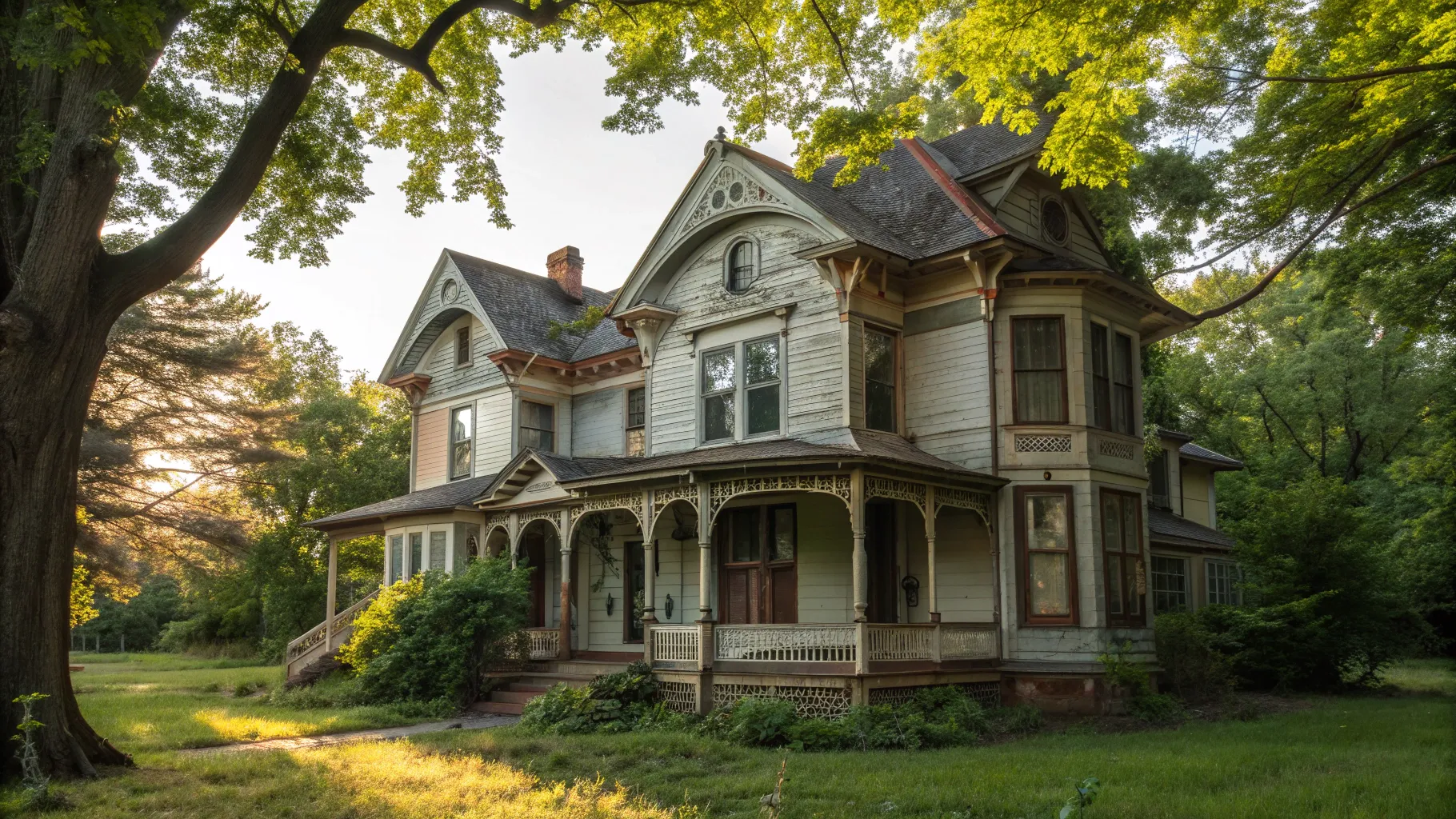
Reasons Houses Become Abandoned
The journey of a house into abandonment can be as varied as the structures themselves. Common reasons include:
- Economic downturns: When local economies suffer, such as during a recession, many families find it difficult to keep their homes, leading to foreclosures and abandonment.
- Natural disasters: Properties in areas hit by hurricanes, floods, or wildfires can become abandoned if the damage is too severe for owners to afford repairs.
- Urban decline: Cities with high vacancy rates and declining populations can see neighborhoods fall into disrepair as the demand for housing wanes.
- Ownership issues: Inherited properties can lead to abandonment if heirs cannot agree on what to do with the home or if they live far away.
An astounding statistic released earlier this year indicates that approximately 1.5 million homes in the U.S. currently sit vacant, according to the U.S. Census Bureau. This staggering number suggests a vast landscape of possibilities for those willing to seek them out.
How to Find Abandoned Properties Legally
Finding abandoned properties can be a treasure hunt, but it’s essential to do it legally. Here are key steps to guide you:
- Research property lists: Websites like Zillow, Realtor.com, or local real estate listings often feature properties that have been neglected or are in foreclosure.
- County tax records: Check your local tax assessor’s office for information on vacant properties owing back taxes. Properties with unpaid taxes might be available for tax lien sales.
- Drive around neighborhoods: Sometimes, the best way to find abandoned homes is to explore areas prone to vacancy. Look for signs like broken windows, overgrown yards, or “for sale” signs that seem outdated.
- Connect with local real estate agents: Knowledgeable agents can inform you about properties that may not be listed online but are available for sale.
While searching for abandoned properties, always ensure you have the proper permissions to view these homes. Entering without permission could lead to legal issues.
Safety and Legal Risks When Exploring
Exploring abandoned homes can be exciting, yet it comes with risks. Here are some crucial considerations:
- Physical safety: Abandoned houses can be hazardous. Risks include unstable structures, broken glass, and wildlife. Always wear appropriate protective gear like gloves, boots, and masks to avoid injuries and exposure to mold or other toxins.
- Legal repercussions: Without proper permission, you may be trespassing, which can lead to fines or even arrests. Always seek permission from owners or local authorities before investigating a property.
- Environmental hazards: Some abandoned homes may contain harmful substances like asbestos or lead paint. It's advisable to have professional inspections conducted before any renovation begins.
Being aware of these risks allows you to approach these properties safely and responsibly.
Renovation Potential and Cost Factors
One of the most alluring aspects of abandoned houses is their renovation potential. A well-executed restoration can yield substantial returns. Here’s a closer look at the factors to consider:
- Property condition: Assess whether the structural integrity is intact. Issues like roof damage or foundation problems can dramatically increase restoration costs.
- Location: Projects in sought-after neighborhoods might require more investment upfront but can pay off when it comes to resale value. Homes reconstructed in trendy areas can appreciate significantly.
- Budget management: Have a budget in mind, but be flexible. Unexpected repairs can arise, and it’s essential to have contingency funds.
- DIY vs. Professional help: Some renovations can be tackled by enthusiastic DIYers, while more complex electrical or plumbing jobs are likely best left to professionals.
In 2025, many success stories feature homeowners who transformed derelict properties into stunning works of art. For instance, a couple in Missouri bought a 100-year-old abandoned farmhouse, investing around $200,000 in renovations and ultimately selling it for over $400,000 just this past winter. Their journey exemplifies both the risks and rewards associated with such endeavors.
Examples of Restored Abandoned Homes
To inspire your potential project, consider these remarkable transformations of abandoned homes:
- The Grey House in Seattle: This once-forgotten craftsman home, abandoned for over a decade, was revitalized into a beautiful, sustainable living space. The renovation emphasized eco-friendly materials and design, showcasing modern living in a historic setting.
- The Old Church in Michigan: An abandoned church was converted into a stunning family residence. The owners preserved the stone arches and stained glass while incorporating modern amenities, blending history with contemporary living.
- A Cottage in New Hampshire: After lying vacant for years, this property underwent a complete overhaul, turning it into a cozy vacation home that attracts visitors from afar. The owners paid meticulous attention to keeping its original charm while providing all the comforts of modern life.
These examples not only share the possibilities that restored abodes can offer but also underscore the joy derived from bringing history back to life. As more people seek unique living spaces and opportunities for creative expression, abandoned homes stand out as hidden gems just waiting to be transformed.
Authored by FreshLifeWire team