Hidden Potential in Abandoned Houses Worth Exploring
Hidden Potential Exploring Abandoned Houses And Why They May Be Worth A Second Look
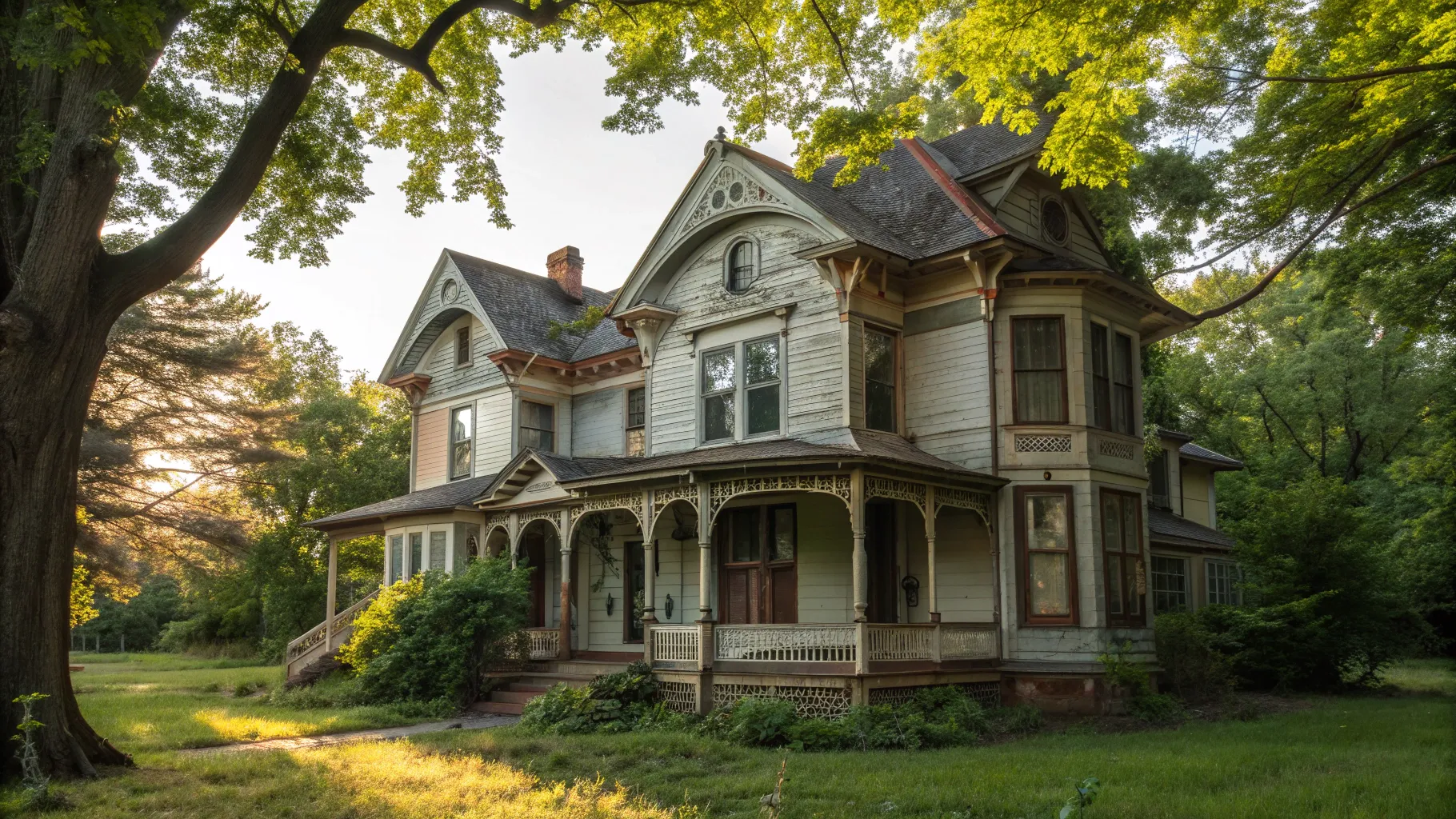
When we pass by forgotten structures cloaked in overgrown weeds and creaking wooden frames, we often overlook the hidden stories waiting to be uncovered. Abandoned houses, once vibrant homes filled with laughter, dreams, and memories, stand as silent witnesses to time. With a growing interest in sustainability and restoration, these houses are increasingly being viewed not just as eyesores but as secrets holding incredible potential. In this article, we explore the reasons houses become abandoned, how to find these properties legally, potential safety risks involved in exploring them, renovation possibilities, and real-life examples of restored homes that have found new life.
Understanding Why Houses Become Abandoned
The journey of many homes into abandonment can be traced back to various factors. Economic downturns, natural disasters, and changes in neighborhood demographics are at the forefront of these causes. According to recent studies, over 3 million homes in the United States stand vacant, with many situated in areas deeply affected by the recession and shifting job markets. Here are some common reasons houses become forgotten:
- Economic Decline: Jobs moving away result in families leaving behind their homes.
- Natural Disasters: Floods, hurricanes, and fires can devastate a community, rendering homes unlivable.
- Inherited Properties: When families inherit homes they cannot maintain, abandonment often ensues.
- Urban Development: As cities evolve, older neighborhoods may face demolition or neglect.
In recent months, there has been a proposal to revamp incentives for renovating abandoned properties through government grants, shining a new light on their potential.
How To Find Abandoned Properties Legally
Curious explorers and potential buyers may wonder how to legally find and access these abandoned gems. Here are some strategies that can help you track them down:
- Local Government Records: A great start is checking property records at your local city or county office. Many places provide lists of vacant properties that are open to the public.
- Real Estate Websites: Numerous real estate websites can help locate properties that are up for sale but may have been abandoned. Listings often indicate the condition of the house, giving you an idea of what you might be getting into.
- Networking with Contractors: Speaking with local contractors can yield valuable information about properties they’ve worked on or spotted.
- Driving Through Neighborhoods: Exploring different neighborhoods can also reveal hidden treasures. Look for boarded-up windows or neglected yards.
It is essential to note that accessing private properties without permission can lead to legal issues. Always ensure you have the necessary permissions from authorities or current owners.
Safety and Legal Risks When Exploring
While the adventure of exploring abandoned houses can be thrilling, it carries notable risks. Safety first should always be your mantra. Properties left to decay may harbor dangers:
- Structural Issues: Many abandoned homes have weakened support beams and deteriorating roofs, making them potentially dangerous to enter.
- Toxic Materials: The presence of asbestos, lead paint, or mold can pose severe health risks to anyone who enters.
- Legal Consequences: Treading on private property without permission can lead to trespassing charges. Always aim to get explicit consent.
Nonetheless, for those serious about preservation, many communities offer guided tours and workshops on safely exploring and restoring these hidden pieces of history.
Renovation Potential and Cost Factors
The idea of transforming an abandoned property into a livable space is tantalizing. But potential renovators should be aware that costs can add up quickly. Here are a few critical factors to consider:
- Initial Purchase Price: Often, these properties can be acquired for a fraction of the typical home price, sometimes as low as $5,000, depending on location.
- Renovation Costs: Renovations can run the gamut from simple fixes to extensive structural repairs. Reliable estimates suggest between $20,000 and $150,000 to restore a home, depending on its condition and size.
- Permitting and Inspections: Owners must secure proper permits and adhere to building codes, which can add to the timeline and expense.
Yet, the investment can yield significant returns, with fully restored homes appreciating well in flourishing neighborhoods.
Examples of Restored Abandoned Homes
Across the country, numerous projects have showcased the beauty and functionality of restored homes. One inspiring example occurred in Detroit, Michigan, where a group of architects transformed a dilapidated house into a stunning modern family home. This renovation not only revitalized the house but also contributed to community engagement by employing local workers during the process.
Another notable project in New York involved a historic 19th-century mansion that sat abandoned for decades. A local couple purchased the property and undertook a multi-year, painstaking restoration that retained its historical essence while updating its infrastructure. This home now stands as a beacon in the neighborhood, attracting other investments.
Restoring abandoned houses not only revives a structure but often breathes new life into surrounding communities, inspiring neighbors to take pride in their homes and local environment.
In sum, abandoned houses are a hidden potential treasure trove. Not only can they rescue history, but they also offer an excellent opportunity for economic growth and community development. Many dreamers and doers are stepping up to reclaim these treasures — perhaps it's time for you to take a second look at what the past has to offer today.
Authored by FreshLifeWire team