Hernia Repair Insights: A Complete Guide to Procedures & Recovery
Facts:
- Over 1 million hernia repairs are performed annually.
- A rising trend for hernia repair is robotic-assisted surgery.
Demystifying Your Hernia Repair Journey
Facing a hernia repair can be daunting, but understanding the process is the first step towards a smooth and successful outcome. This guide provides a comprehensive hernia repair procedure overview, designed to give you clarity and confidence. We will delve into the critical aspects, from the initial consultation to the final stages of healing, ensuring you are well-informed about the common considerations and what lies ahead. Knowledge is power, especially when it comes to your health, and this article will serve as your detailed roadmap.
A Comprehensive Hernia Repair Procedure Overview
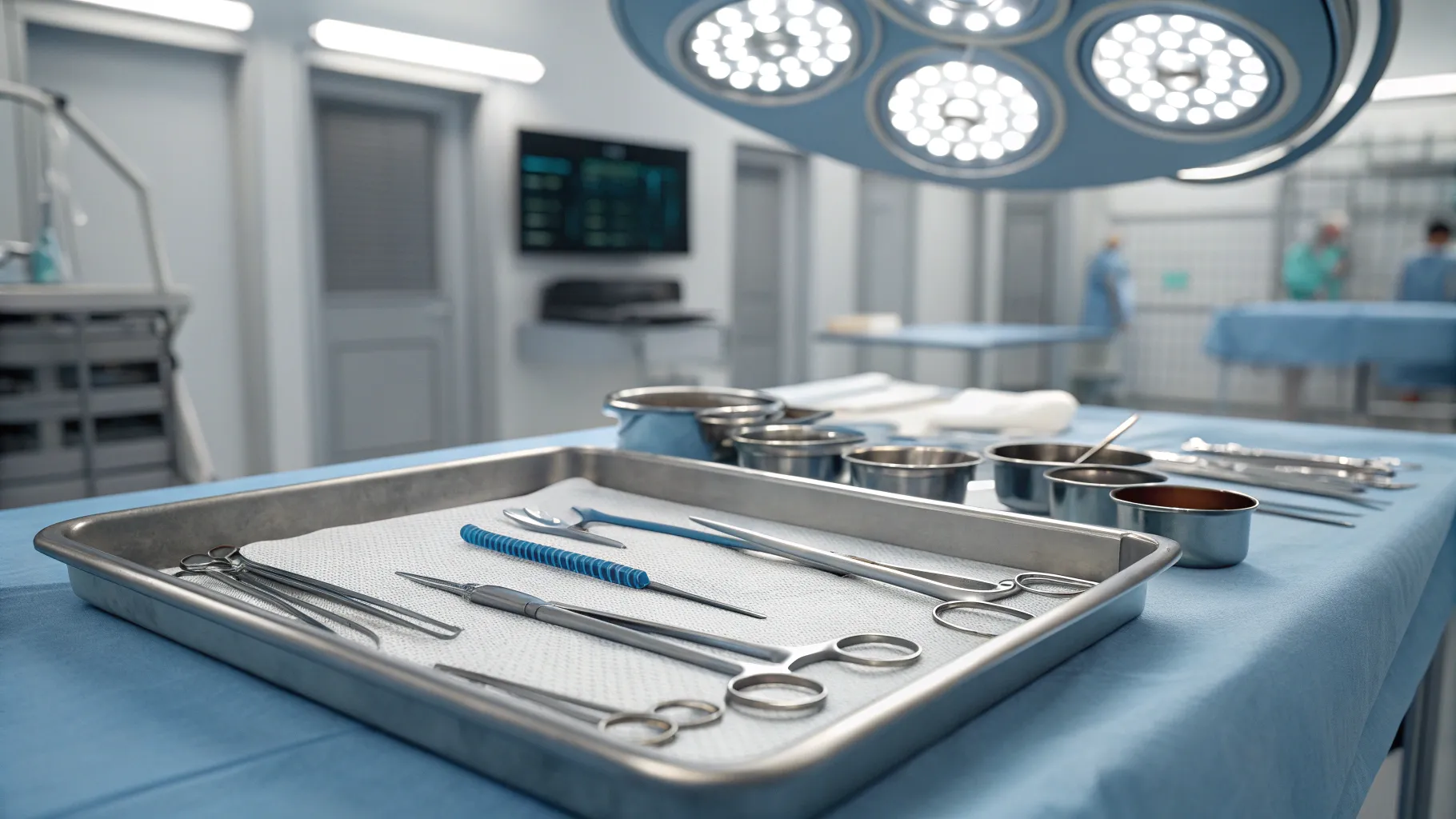
The journey of hernia repair begins long before you enter the operating room. A thorough hernia repair procedure overview starts with the diagnostic phase, where your surgeon confirms the type and severity of the hernia using physical exams and sometimes imaging tests like an ultrasound or CT scan. This is followed by a pre-operative consultation where you'll discuss your medical history and any common considerations such as anesthesia options and potential risks. On the day of the surgery, you'll go through final preparations. The procedure itself involves the surgeon returning the displaced tissue to its correct position and reinforcing the weakened muscle wall, often with a surgical mesh. The immediate post-operative period is spent in a recovery room where your vital signs are monitored closely as the anesthesia wears off.
Hernia Surgery Types Explained
Understanding the different surgical approaches is a crucial part of your preparation. Having the various surgery types explained allows you to have a more informed discussion with your surgeon about the best option for your specific case. Each method has its own set of benefits and common considerations.
Open Hernia Repair
This is the traditional method where the surgeon makes a single, larger incision over the hernia site. The surgeon then pushes the bulging tissue back into place and repairs the weakened abdominal wall, typically by suturing a piece of synthetic mesh over the defect to provide support. This approach has been performed for decades and is highly effective, though it may involve a longer recovery period compared to minimally invasive techniques.
Laparoscopic Hernia Repair
In this minimally invasive approach, the surgeon makes several small incisions in the abdomen. A laparoscope—a thin tube with a camera on the end—is inserted through one incision, allowing the surgeon to view the internal organs on a monitor. Specialized surgical instruments are inserted through the other incisions to perform the repair. A mesh is then placed over the hernia defect from the inside. This technique is often associated with less postoperative pain and a faster return to normal activities.
Robotic Hernia Repair
Robotic surgery is an advanced form of laparoscopic surgery. The surgeon operates from a console in the operating room, controlling highly precise robotic arms that hold the surgical instruments. This method provides the surgeon with a high-definition, 3D view of the surgical site and enhanced dexterity. It combines the benefits of minimally invasive surgery with greater precision, making it an excellent option for complex hernia repairs.
Navigating Your Recovery Expectations
Setting realistic recovery expectations is vital for a stress-free healing process. Immediately after surgery, you will experience some pain, swelling, and bruising around the incision site, which is normal and can be managed with prescribed pain medication. The timeline for recovery varies based on the type of surgery and your overall health. For laparoscopic or robotic repairs, many patients can resume light activities within a week or two. For open surgery, the initial recovery might take longer, with restrictions on heavy lifting lasting for four to six weeks. It's crucial to follow your surgeon's guidance on activity levels to prevent recurrence. A key part of managing recovery expectations is understanding that healing is a gradual process, and patience is essential.
Essential Post Surgery Care Basics
Proper care after your operation is fundamental to a successful recovery and minimizing the risk of complications. Adhering to these post surgery care basics will help ensure your body heals correctly. Your surgical team will provide specific instructions, but the following are universally important points:
- Wound Care: Keep the incision sites clean and dry as instructed. Watch for signs of infection, such as increased redness, swelling, drainage, or fever, and report them to your doctor immediately. This is one of the most critical post surgery care basics.
- Pain Management: Take your prescribed pain medication as directed to stay comfortable. Staying ahead of the pain can make it easier to move around, which is important for preventing blood clots.
- Diet and Hydration: Start with a light diet and gradually return to your normal eating habits. Drink plenty of fluids to stay hydrated and eat fiber-rich foods to prevent constipation, which can cause strain on your incision.
- Activity and Movement: While you must avoid strenuous activity and heavy lifting, it's important to walk for short periods several times a day. This promotes circulation and helps prevent complications. Always follow the specific restrictions provided by your surgeon.
Common Considerations and Potential Risks
Before undergoing any surgical procedure, it's important to be aware of the common considerations and potential risks involved. For hernia repair, these include risks associated with anesthesia, infection at the incision site, and bleeding. There is also a small risk of hernia recurrence, where the hernia comes back after the repair. Chronic pain in the groin area is another potential, though less common, complication. Discussing these common considerations with your surgeon beforehand will ensure you have a complete picture. Your surgeon will take every precaution to minimize these risks, but being an informed patient is a key part of the process.
Frequently Asked Questions
What should I expect during my hernia repair procedure overview consultation?
During your initial consultation, your surgeon will perform a physical exam, review your medical history, and discuss the best surgical approach for you. This is the perfect time to ask questions about the procedure, have the surgery types explained, and clarify your recovery expectations.
What are the most important post surgery care basics to remember?
The most crucial post surgery care basics include proper wound care to prevent infection, managing pain effectively, staying mobile with gentle walking, and strictly adhering to activity restrictions, especially regarding lifting heavy objects, to allow the repair to heal properly.
What are the common considerations when choosing between open and laparoscopic surgery?
Some common considerations include the size and location of the hernia, your overall health, and your surgeon's expertise. Laparoscopic surgery generally offers a quicker recovery and less pain, but open surgery may be recommended for very large or complicated hernias.
References
- American College of Surgeons: Hernia Repair Guidelines
- Society of American Gastrointestinal and Endoscopic Surgeons (SAGES): Patient Information for Hernia Surgery
- National Institute of Diabetes and Digestive and Kidney Diseases: Inguinal Hernia Information
Authored by FreshLifeWire team