Heart Stent Options for Seniors Types Costs and Recovery
Heart Stent Options for Seniors
As we journey through life, our bodies experience various changes that can affect our health, particularly our heart. For seniors, heart issues can become more prevalent, leading to medical interventions like heart stenting. This article explores the different types of heart stents, the stent procedure for the elderly, associated costs, recovery, potential complications, and the recommendation criteria for their use.
Types of Heart Stents Available
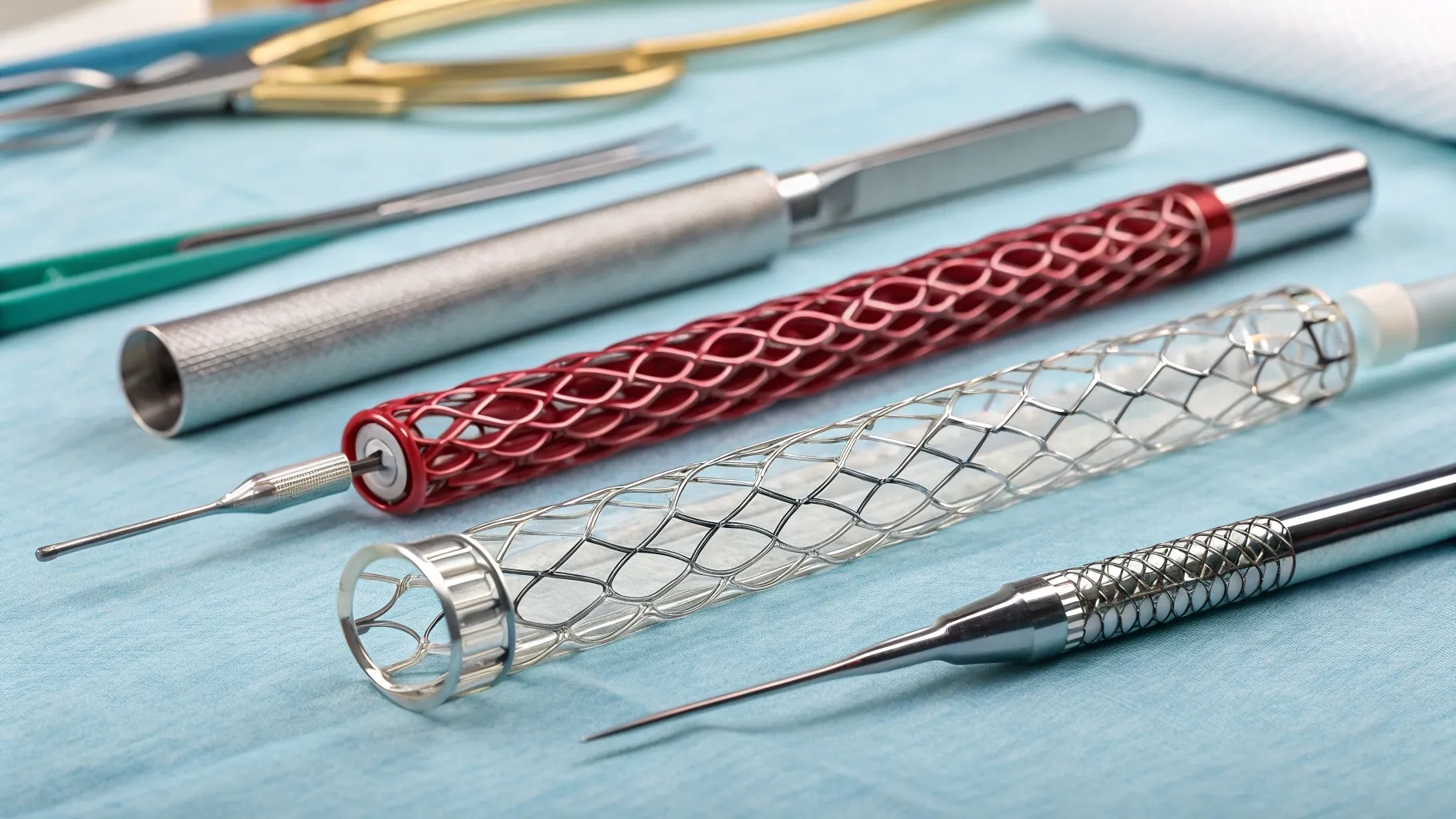
Heart stents are small tube-like devices inserted into narrowed arteries to keep them open. There are primarily two main types of heart stents:
- Drug-Eluting Stents (DES): These are coated with medication that helps prevent arterial scar tissue from forming, which can block the artery again. They are preferred due to their lower rates of re-narrowing.
- Bare-Metal Stents (BMS): These are made of metal without additional coating. While they are effective for immediate opening of arteries, they have a higher chance of restenosis—where the artery narrows again.
In 2025, around 80% of stents implanted in seniors are drug-eluting stents due to their effectiveness. Statistics show that DES reduces the risk of major adverse cardiovascular events by about 15% compared to BMS.
Stent Procedure for Elderly Patients
The stenting procedure is typically performed during angioplasty, a minimally invasive procedure. For seniors, special considerations are taken, given their unique health profiles. The process generally includes:
- Pre-Procedure Assessment: Doctors will evaluate the patient's overall health, review medications, and may conduct tests to assess heart function.
- Catheter Insertion: A thin tube is inserted into the blood vessel; usually through the wrist or groin. This method is preferred for seniors as it reduces complication risks.
- Balloon Angioplasty: A small balloon is inflated at the site of the blockage, widening the artery.
- Stent Placement: The stent is then deployed to maintain the artery’s openness.
- Recovery Monitoring: Patients are monitored in a recovery area to ensure no immediate complications arise.
In the last six months, advancements in stent technology have led to even finer designs of drug-eluting stents. For instance, biodegradable stents are becoming more common, allowing the artery to heal completely before the stent dissolves, minimizing the risk of long-term complications.
Cost of Heart Stents
The financial aspect of heart stenting can vary widely. In 2025, the cost for drug-eluting stents averages around $1,500 to $2,500 per stent without accounting for additional expenses like the procedure itself, hospital stay, and follow-up care. Medicare and other insurance providers often cover a significant portion of these costs for seniors, but out-of-pocket expenses can still be considerable.
For patients without insurance, the total hospital billing for a stenting procedure can range between $20,000 and $40,000. This reality underscores the importance of discussing financial options with healthcare providers, and many hospitals offer financial counseling to navigate costs.
Recovery After Stenting
The recovery process varies from patient to patient, especially among seniors. Most patients can go home within a day or two after the procedure. Doctors usually recommend the following for a smooth recovery:
- Rest: It's crucial to take it easy for the first week. Seniors should avoid strenuous activities and heavy lifting.
- Medication Compliance: Following the prescribed medication regimen, particularly antiplatelet medications, is vital to prevent blood clots.
- Regular Follow-Up: Scheduled visits to the doctor to monitor heart health and stent function are encouraged.
- Lifestyle Adjustments: Incorporating heart-healthy diets and regular mild exercise can significantly enhance heart health.
Many seniors find that engagement in community health programs or rehabilitation can offer support during their recovery phase. Recent data indicates that adherence to rehabilitation programs improves recovery outcomes and reduces the risk of further cardiac issues.
Risk of Stent Complications
While heart stenting is generally safe, some complications may arise, particularly in elderly patients who might have other underlying health conditions. Known complications include:
- Blood Clots: These can form in or on the stent, leading to serious issues like heart attacks.
- Restenosis: This refers to the re-narrowing of the artery, potentially necessitating further procedures.
- Infection: Though rare, there have been cases where the catheter insertion site became infected.
- Allergic Reactions: Seniors may have allergies to the stent materials, potentially leading to complications.
Monitoring for these complications is integral during follow-ups. Statistics indicate that about 5-10% of patients may experience some form of complication post-stent placement, underscoring the importance of comprehensive preoperative assessments and vigilant postoperative care.
When is a Stent Recommended?
Heart stenting is generally recommended when patients experience significant coronary artery disease symptoms, including chest pain (angina) and shortness of breath, that do not improve with medication. Further, stenting may be suggested when:
- The artery blockage is severe (typically greater than 70%).
- Other treatment methods, such as medication or lifestyle changes, have failed to alleviate symptoms.
- A heart attack has occurred, necessitating immediate intervention.
During the last year, medical guidelines have evolved, providing more clarity on stenting's suitability, especially in the context of elderly patients with complex health profiles. It is always advised to consult a cardiologist who specializes in treating seniors to make an informed decision.
In summary, while heart stenting poses risks and considerations unique to elderly patients, it remains a viable treatment option for managing severe coronary artery disease. With ongoing advancements in technology and treatment protocols, the outlook for seniors undergoing stenting continues to improve.
Authored by FreshLifeWire team