Heart Healthy Diets for Blood Pressure Regulation Tips
Which Types of Diets Can Contribute to Heart Health and Help Regulate Blood Pressure
Maintaining heart health and regulating blood pressure are pivotal aspects of overall wellness, affecting millions of people globally. Recent studies indicate that dietary choices play a crucial role in achieving these health goals. In 2025, understanding which diets can promote cardiovascular health has never been more critical. This article explores some of the best diets for heart health and blood pressure regulation, highlighting the foods that can naturally lower blood pressure, and examining the impact of the DASH diet on heart health.
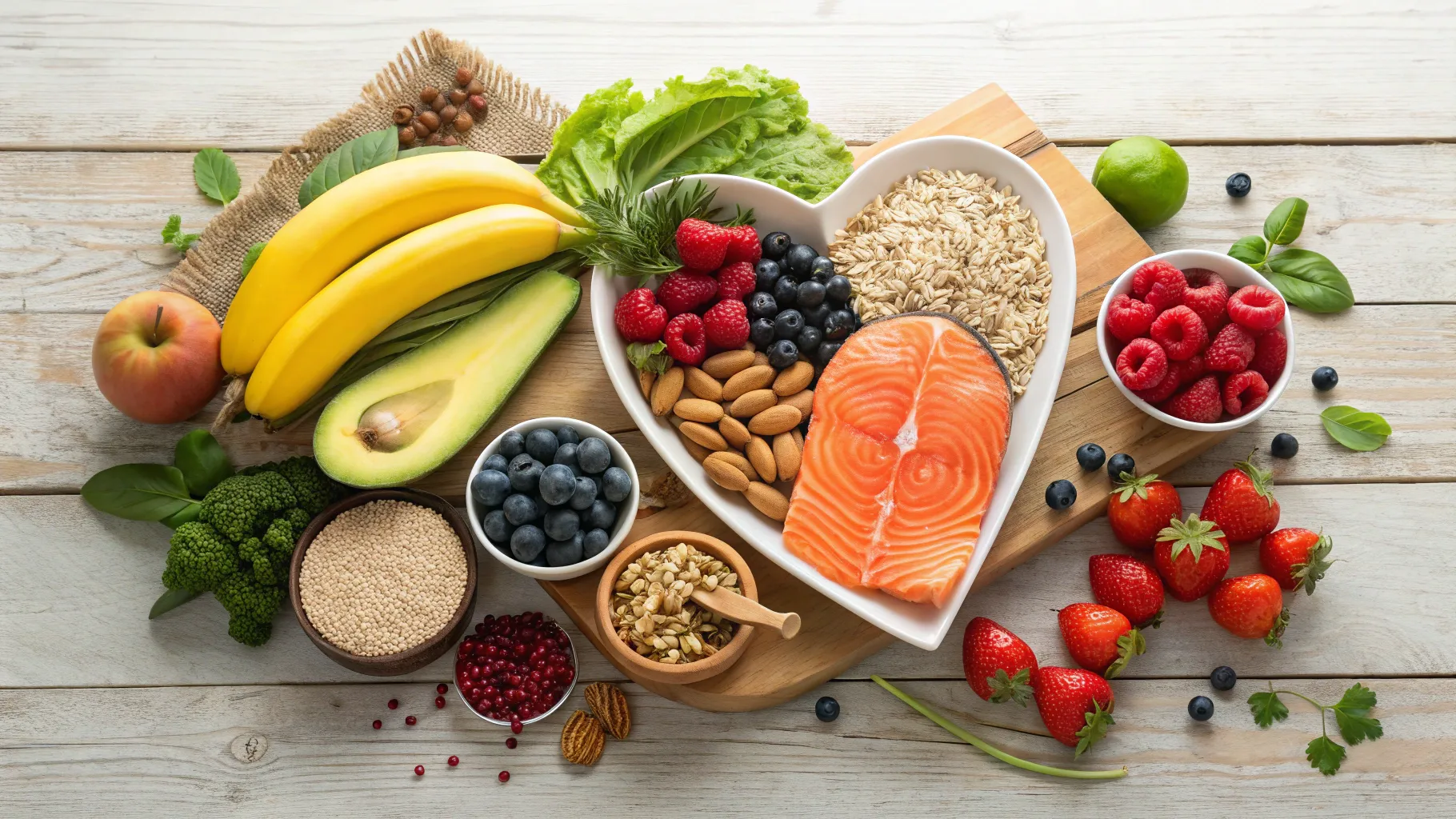
Best Diets for Heart Health and Blood Pressure
Several dietary patterns have been associated with improved heart health. Among these, three stand out: the Mediterranean diet, the DASH diet, and plant-based diets.
- Mediterranean Diet: Characterized by a high intake of fruits, vegetables, whole grains, fish, and healthy fats like olive oil, this diet has been linked to a lower incidence of heart disease. A study from early 2025 published in the Journal of Cardiovascular Health indicated that adhering to a Mediterranean diet reduces the risk of heart disease by up to 30%.
- DASH Diet: Designed specifically to combat hypertension, the Dietary Approaches to Stop Hypertension (DASH) diet focuses on high intake of fruits, vegetables, whole grains, and low-fat dairy while limiting saturated fat and sugar. Evidence shows that following the DASH diet can lower systolic blood pressure by an average of 11 mm Hg in hypertensive individuals.
- Plant-Based Diets: Focusing on whole plant foods such as fruits, vegetables, legumes, nuts, and seeds, studies have shown that plant-based diets can contribute to lower blood pressure and reduced cholesterol levels, further minimizing heart disease risk.
What Foods Help Lower Blood Pressure Naturally?
Incorporating specific foods into your diet can facilitate blood pressure regulation. Here are key food categories that can help:
- Fruits and Vegetables: Particularly those rich in potassium like bananas, oranges, and leafy greens. Potassium helps to balance sodium levels in the body, promoting better blood pressure control.
- Whole Grains: Foods such as oats, brown rice, and quinoa are excellent choices that provide fibers and nutrients, supporting heart health.
- Legumes: Beans and lentils are packed with proteins and fiber while being low in fat. They are integral to many heart-healthy diets.
- Fatty Fish: Salmon, mackerel, and sardines are high in omega-3 fatty acids, which have been linked to lower blood pressure and improved heart health.
- Nuts and Seeds: Almonds, walnuts, and flaxseeds hold healthy fats and antioxidants that can help reduce inflammation.
The positive impact of incorporating these foods cannot be overstated. For example, a comprehensive study conducted in the last six months on a diverse cohort showed that individuals who regularly consumed fatty fish experienced a 15% reduction in their blood pressure readings over a four-week period.
Can Diet Reduce Risk of Heart Disease?
Diet plays a vital role in reducing the risk factors associated with heart disease. High blood pressure, obesity, poor cholesterol levels, and diabetes are well-known contributors. Adjusting dietary habits can significantly mitigate these risk factors.
For instance, a study published in January 2025 in the Nutrition Journal demonstrated that participants who shifted to a Mediterranean diet for just three months saw an improvement in cholesterol levels and overall heart health metrics. Additionally, reducing sodium intake has proven equally beneficial. Low-sodium diets can enhance vascular function, leading to lower blood pressure.
- Low-Sodium Diet: Current dietary guidelines recommend limiting sodium intake to less than 2,300 milligrams per day, and ideally around 1,500 milligrams for those with high blood pressure. This adjustment can significantly decrease the risk of hypertension and heart-related issues.
How Does DASH Diet Improve Heart Health?
The DASH diet has gained recognition not only for its role in lowering blood pressure but also for its overall cardiovascular benefits. By prioritizing whole foods and reducing processed food intake, the DASH diet focuses on nutrient-rich options that promote heart health.
This eating plan emphasizes the right balance of nutrients such as magnesium, calcium, and fiber, which support healthy blood vessels and heart function. The results from a recent clinical trial demonstrated that participants following the DASH diet experienced a notable decrease in both systolic and diastolic blood pressure within weeks, supporting the diet's efficacy in heart health.
What to Eat for Healthy Blood Pressure?
To maintain optimal blood pressure, it’s essential to include a variety of specific food types in your daily meals. Here are some recommendations for meals that support cardiovascular health:
- Breakfast: A bowl of oatmeal topped with fresh berries and a sprinkle of flaxseeds can provide the perfect kickstart to your day.
- Lunch: A hearty salad featuring spinach, chickpeas, cherry tomatoes, and grilled salmon dressed with a lemon-olive oil vinaigrette.
- Dinner: Quinoa with sautéed kale, garlic, and grilled chicken alongside a side of roasted sweet potatoes.
- Snacks: Greek yogurt with honey and walnuts or apple slices with almond butter are both nutrient-rich options.
In summary, choosing a heart-healthy diet is not only beneficial for managing blood pressure but can also significantly reduce the risk of heart disease. Integrating foods rich in nutrients and essential fatty acids, while minimizing sodium and processed sugars, can lead to a healthier heart and improved well-being.
As the focus on dietary impacts on health continues to evolve, adopting these dietary approaches in 2025 will undoubtedly enhance longevity and quality of life for many.
Authored by FreshLifeWire team