Heart Attack — Common Symptoms Explained
Recognizing the Symptoms of a Heart Attack
In 2025, awareness about heart health is more crucial than ever. Heart attacks continue to be a leading cause of death worldwide. Therefore, understanding the symptoms can significantly increase survival rates. Let's dive into the four most common symptoms of a heart attack and explore why they occur.
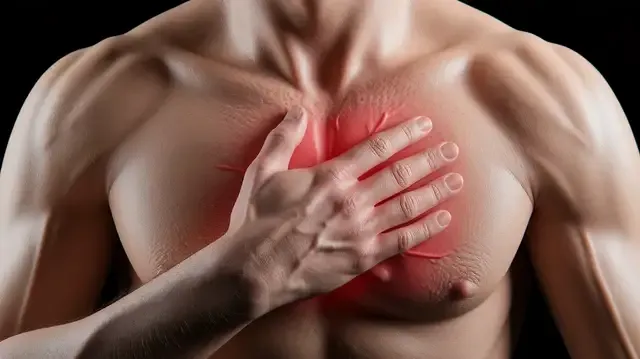
It's important to recognize that symptoms can vary between men and women. While chest pain is the signature sign, it's not always present, especially in women. Thus, knowing a broader range of symptoms is essential for early detection, like shortness of breath, nausea, or fatigue.
Main Heart Attack Symptoms to Look Out For
Chest Pain or Discomfort
This is often described as a feeling of pressure, squeezing, fullness, or pain at the center or left side of the chest. In many cases, this sensation can last for more than a few minutes or come and go repeatedly. It's crucial to understand that not all chest pain indicates a heart attack. However, when it occurs alongside other symptoms, it's a clear red flag.
- Feelings of tightness or pressure in the chest area.
- Pain that can radiate to the shoulders, neck, or arms.
Shortness of Breath
Often occurring before a heart attack or along with chest pain, shortness of breath can be a subtle but significant symptom. It's usually described as a difficulty in breathing, but in reality, it means your heart is struggling to pump blood effectively. If you find walking short distances or climbing stairs unusually challenging, this might be a symptom to watch for.
Nausea and Lightheadedness
Feeling sick to your stomach or light-headed can accompany other symptoms. Studies conducted in 2025 by the American Heart Association reveal these are prevalent, particularly in women. These symptoms might lead some to believe it’s a less serious stomach issue rather than their heart.
Fatigue
Unusual fatigue without clear cause is another symptom that can appear weeks before an attack. A study by the National Institutes of Health in March 2025 reported that over 45% of women experience significant fatigue, leading up to a heart attack, which is often misinterpreted as stress-related tiredness.
Fatigue can be misleading; it's easy to dismiss it as a result of a hectic lifestyle, but combined with other symptoms, it should raise concern. If you’re sleeping more than usual yet never feel rested, take heed.
Steps to Take if You Notice These Symptoms
If you notice any of these symptoms, even if they are mild or intermittent, take action immediately. First, call emergency services. It’s better to have a false alarm than to ignore symptoms that could be life-threatening. The first hour following a heart attack is critical and seeking prompt medical attention can prevent extensive heart damage.
Additionally, discuss with your healthcare provider about your heart health, especially if you have risk factors such as high blood pressure, diabetes, or a family history of heart disease. Lifestyle modifications in 2025 like diet, exercise, and stress management have proven beneficial in reducing heart attack risk. For instance, integrating a Mediterranean diet, rich in omega-3 fatty acids, with regular physical activity enhances heart health.
Moreover, technological advancements in wearable health-monitoring devices give a real-time insight into your heart’s health, alerting you to any irregularities before they escalate. These wearables have increasingly become pivotal tools, especially for those already diagnosed with heart disease.
Finally, remember that knowledge and vigilance are your best allies in the fight against heart disease in 2025. Ensuring you stay informed about heart attack symptoms and taking proactive steps towards a healthier lifestyle can make a significant difference.
Authored by FreshLifeWire team