Hearing Solutions for Seniors Types Costs and Brands
Understanding Hearing Solutions for Seniors
As we age, our bodies undergo various changes, and one area that can significantly affect our quality of life is hearing. Many seniors experience hearing loss, creating a need for effective hearing solutions. Whether you are considering types of hearing aids or looking into the differences between cochlear implants and hearing aids, understanding your options is crucial for maintaining social connections and overall well-being.
Exploring Types of Hearing Aids
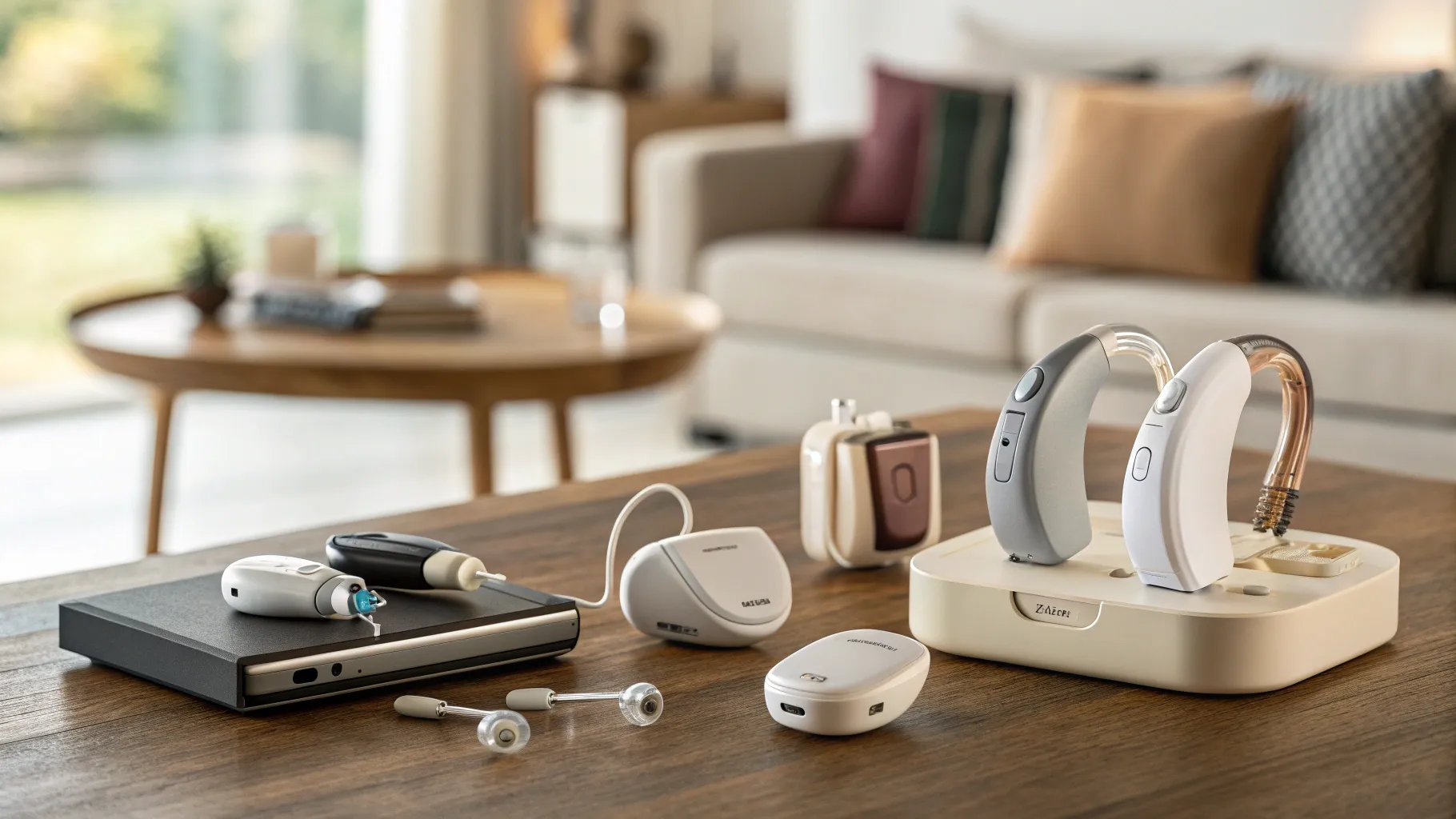
There are several types of hearing aids available today, each designed to cater to different levels of hearing loss and user preferences. The most common types include:
- Behind-the-Ear (BTE): These hearing aids sit behind the ear and connect to a custom earpiece. They are powerful and suitable for varying degrees of hearing loss.
- In-the-Ear (ITE): Custom-molded to fit the ear canal, ITE hearing aids are easily visible but offer comfortable use.
- Receiver-in-Canal (RIC): Similar to BTE, but smaller, the RIC type transfers the sound from a receiver in the canal, which may enhance sound quality.
- Completely-in-Canal (CIC): These are less visible and fit deep in the ear canal, perfect for mild to moderate hearing loss.
As technology advances, many hearing aids now come equipped with smart features, including Bluetooth connectivity and rechargeable batteries, enhancing user experience.
Cochlear Implants vs Hearing Aids
For some individuals, especially those with profound hearing loss, cochlear implants may be a more appropriate solution than traditional hearing aids. Cochlear implants directly stimulate the auditory nerve, bypassing damaged hair cells in the inner ear, while hearing aids amplify sound.
According to a recent study, about 1 in 5 seniors who are eligible for hearing solutions consider cochlear implants. While hearing aids are typically non-invasive and easier to use, the implants require surgical intervention. The choice between cochlear implants and hearing aids depends heavily on the severity of hearing loss, lifestyle, and personal preference.
Many seniors report significant improvement in hearing outcomes with cochlear implants, especially in complex listening environments like restaurants or family gatherings. However, it is important to evaluate all options closely before making a decision.
The Cost of Hearing Aids and Financial Assistance
The average cost of hearing aids in the United States can range from $1,000 to $4,000 per device, with many factors influencing this pricing, including technology levels and brand. Unfortunately, many insurance plans do not cover the cost of hearing aids, making it vital to explore financial assistance options.
Organizations such as the Hearing Loss Association of America and state-specific programs provide resources that can help seniors offset these costs. Some manufacturers also offer financing plans or discounts, particularly for older adults.
It’s beneficial to consult with a hearing professional who can guide you on potential discounts and payment plans available in your area, ensuring you find a solution that fits your budget.
Hearing Aid Fitting and Recovery
Getting fitted for hearing aids may initially seem daunting; however, the process is relatively straightforward. A visit to an audiologist includes a comprehensive hearing evaluation, followed by the selection of the most suitable type of hearing aid for your specific needs.
After selecting your device, fitting appointments are crucial. During these sessions, the audiologist will adjust the settings of your hearing aids based on your hearing test results, ensuring optimal sound quality. Following this, many users experience a period of adjustment, which might last from a few weeks to a few months as they become accustomed to different sounds.
It is common for seniors to report a mix of emotions during this adjustment period. Some may feel excited to rediscover sounds they have missed, while others might feel overwhelmed by background noises. Regular follow-up visits can help ease this transition, where audiologists can make necessary adjustments to enhance comfort.
Maintenance and Warranty of Hearing Aids
Maintaining hearing aids is essential for ensuring their longevity and performance. Most brands recommend regular cleaning, replacing ear molds, and altering settings based on wear and tear. Understanding the specific maintenance needs of your device can help prevent future issues.
Additionally, leading brands like Phonak, Oticon, and Signia typically offer warranties ranging from one to three years, which cover defects and sometimes even loss or damage. Having a warranty is invaluable, especially for seniors who may be more prone to accidental damage or loss. Shopping for hearing aids with an understanding of warranty terms can save money and ensure peace of mind.
Hearing Improvement Outcomes
Many studies have shown that using hearing aids can significantly improve overall life satisfaction. A recent survey indicated that nearly 90% of hearing aid users reported an improvement in their quality of life within weeks of using the devices. Moreover, studies have linked better hearing with enhanced cognitive function, which is particularly important for seniors.
Listening to conversations, participating in social activities, and engaging in family gatherings greatly improves as individuals find their hearing aids effective. Seniors experiencing auditory improvements often report increased mental engagement, and this can contribute to emotional well-being.
Best Brands for Seniors
Choosing the right brand is as important as selecting the type of hearing aid. Some of the best brands for seniors include:
- Phonak: Known for its advanced technology and functionality, Phonak offers hearing aids with features that assist in various environments.
- Oticon: Focused on improving communication, offering great connectivity options.
- Signia: Features like rechargeability and Bluetooth connectivity make Signia appropriate for tech-savvy seniors.
- ReSound: Provides customizable options tailored to individual hearing needs.
Each brand has unique features and benefits, making it essential to try different models to determine which works best for you.
In conclusion, finding the right hearing solution for seniors involves understanding types, costs, fitting processes, and the various maintenance needs of hearing aids. By taking the time to explore all options and engaging with audiology professionals, seniors can greatly enhance their hearing health and overall quality of life.
Authored by FreshLifeWire team