Understanding Hearing Loss in Seniors Causes and Treatments
Understanding Hearing Loss in Seniors
Hearing loss is a significant concern that affects many older adults in today’s society. As individuals age, various physiological changes can lead to declines in sensory functions, particularly hearing. In fact, it is estimated that nearly one in three seniors experience some level of hearing impairment. This article aims to explore the different causes, symptoms, treatment options, and strategies for prevention that can help enhance the quality of life for seniors dealing with hearing loss.
Common Causes of Hearing Loss in Seniors
Seniors face various factors that contribute to hearing loss, and understanding these causes is essential for early intervention. Here are some of the most prominent contributors:
- Presbycusis: This age-related hearing loss generally begins around 60 years of age and results from the natural aging of the auditory system. It typically affects both ears equally and manifests as a gradual decline in hearing ability, particularly in higher frequency sounds.
- Noise-Induced Hearing Loss: Exposure to loud noises, even intermittently, can permanently damage the hair cells in the inner ear. Many seniors may not realize that past occupations or hobbies involving loud sounds have contributed over time.
- Ototoxic Medications: Certain medications have been found to damage auditory functions. Common culprits include certain chemotherapy drugs and some over-the-counter medications like non-steroidal anti-inflammatory drugs (NSAIDs).
- Health Conditions: Chronic diseases, including diabetes and hypertension, can influence hearing health. Research has shown that blood circulation issues can lead to decreased blood flow to the ears, potentially causing hearing impairment.
- Earwax Buildup: While often overlooked, excessive earwax can block sound from reaching the eardrum, leading to temporary hearing loss that is easily reversible with proper cleaning.
Given these various causes, awareness and proactive management can allow for timely intervention, significantly minimizing further decline in hearing ability.
Identifying Symptoms of Hearing Loss in Seniors
Detecting hearing loss early is crucial for effective treatment. Often, seniors may not notice their hearing deterioration until it significantly impacts their daily lives. Here are some common symptoms to look out for:
- Difficulty Following Conversations: Seniors may struggle to comprehend speech, especially in environments with background noise, making social interactions challenging.
- Frequent Requests for Repetition: If you find that an older adult repeatedly asks others to repeat themselves, this could indicate a hearing problem.
- Fatigue in Listening: Many individuals report feeling exhausted after conversations due to the effort required to hear and understand speech.
- Tinnitus: This persistent ringing or buzzing in the ears is commonly associated with hearing loss and should be evaluated by a professional.
- Avoidance of Social Engagement: Seniors facing hearing challenges might withdraw from social situations due to embarrassment or frustration, further affecting their mental health.
Recognizing these symptoms promptly can foster a quicker response, leading to improved management and lifestyle adjustments.
Effective Treatment Options for Hearing Loss
Fortunately, there are many treatment avenues available to help seniors manage hearing loss effectively:
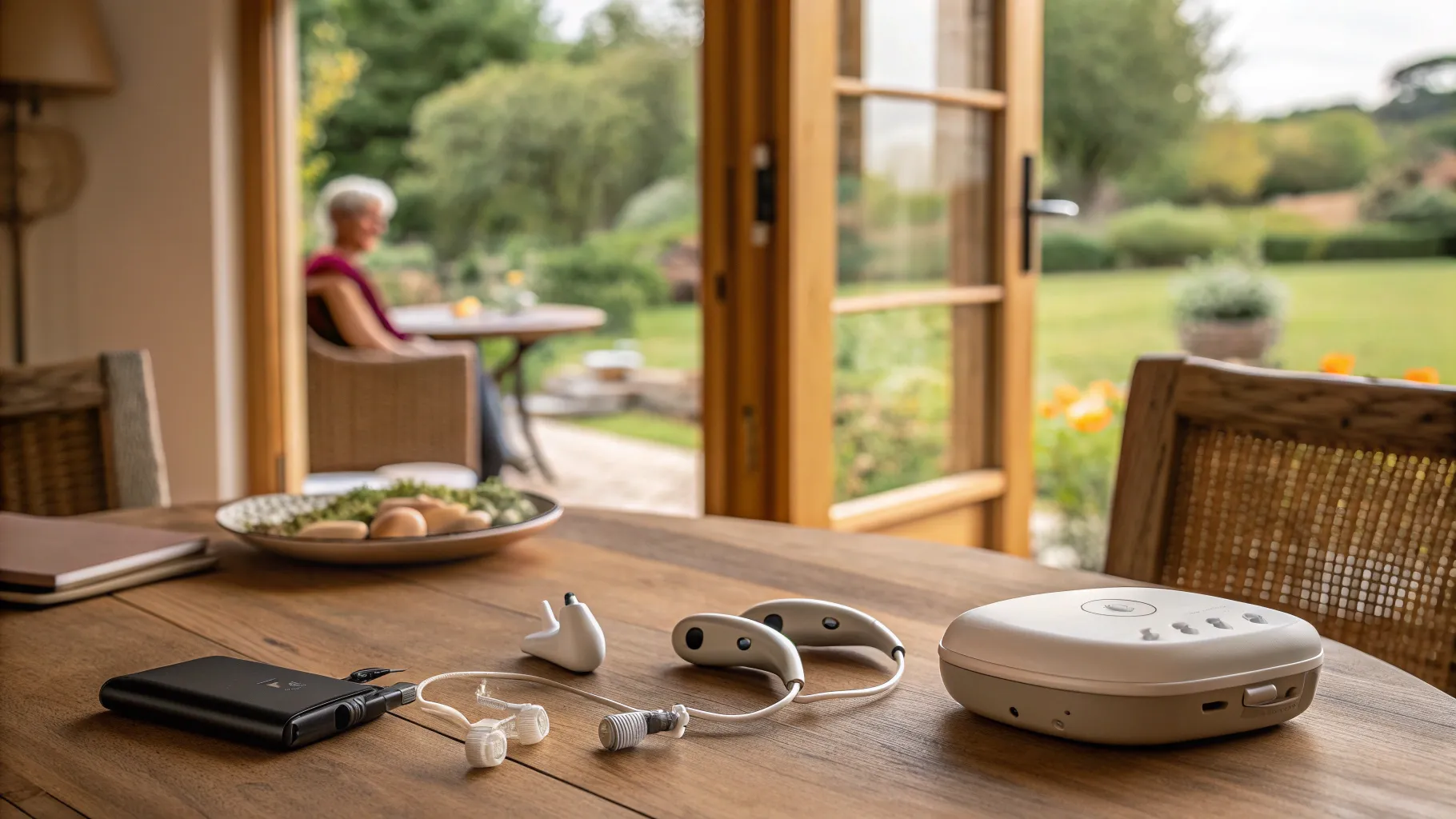
- Hearing Aids: These devices are the most common treatment for age-related hearing loss. Customized hearing aids can amplify sounds based on individual hearing profiles and are recommended for approximately 28 million Americans who would benefit from them. Unfortunately, many individuals remain untreated due to stigma or lack of access.
- Cochlear Implants: Individuals with severe hearing loss may be candidates for cochlear implants, which directly stimulate the auditory nerve, bypassing damaged hair cells.
- Assistive Listening Devices: From amplified telephones to personal sound amplifiers, these devices can significantly improve the ability of seniors to communicate effectively in daily life.
- Auditory Rehabilitation: This therapy focus includes strategies for improving listening skills and enhancing communication techniques, empowering individuals to adapt to their hearing challenges.
Each treatment option offers unique benefits, and consulting a healthcare professional can lead to a tailored plan that best addresses an individual’s needs.
Proactive Prevention Strategies for Hearing Loss
While complete prevention of hearing loss may not be feasible, several strategies can help seniors maintain better hearing health:
- Avoiding Loud Environments: Whenever possible, seniors should stay away from loud settings and utilize ear protection, such as earplugs or noise-canceling headphones, when necessary.
- Regular Hearing Check-Ups: Routine evaluations can identify potential hearing issues early. It is recommended that seniors have annual hearing assessments to monitor any changes.
- Effective Management of Chronic Conditions: Controlling health conditions like hypertension and diabetes not only benefits overall health but also helps reduce the likelihood of auditory complications.
- Consultation on Medications: Seniors should engage in discussions with their healthcare providers about potential ototoxic side effects when prescribed new medications.
By staying informed and proactive, seniors can effectively protect their hearing while enjoying richer, more vibrant social interactions.
Hearing loss in seniors is a multifaceted issue that necessitates awareness, timely management, and community support. By recognizing its common causes, symptoms, and available treatment options, as well as implementing preventative measures, older adults can substantially enhance their hearing health and overall quality of life, facilitating more fulfilling connections with family and friends.
Authored by FreshLifeWire team