Healthy Fabric Replacements for Polyester and Their Benefits
Natural Alternatives to Polyester: Exploring Healthy Fabric Replacements
For many years, polyester has been one of the most popular fabrics in the clothing industry thanks to its durability, affordability, and versatility. However, as awareness of environmental issues continues to grow, more conscious consumers are seeking natural alternatives to polyester. In 2025, sustainable fashion is not just a trend; it’s a lifestyle choice that prioritizes eco-friendly practices and fosters a better planet for future generations. If you're considering switching to healthier fabric options, let’s explore some fantastic alternatives!
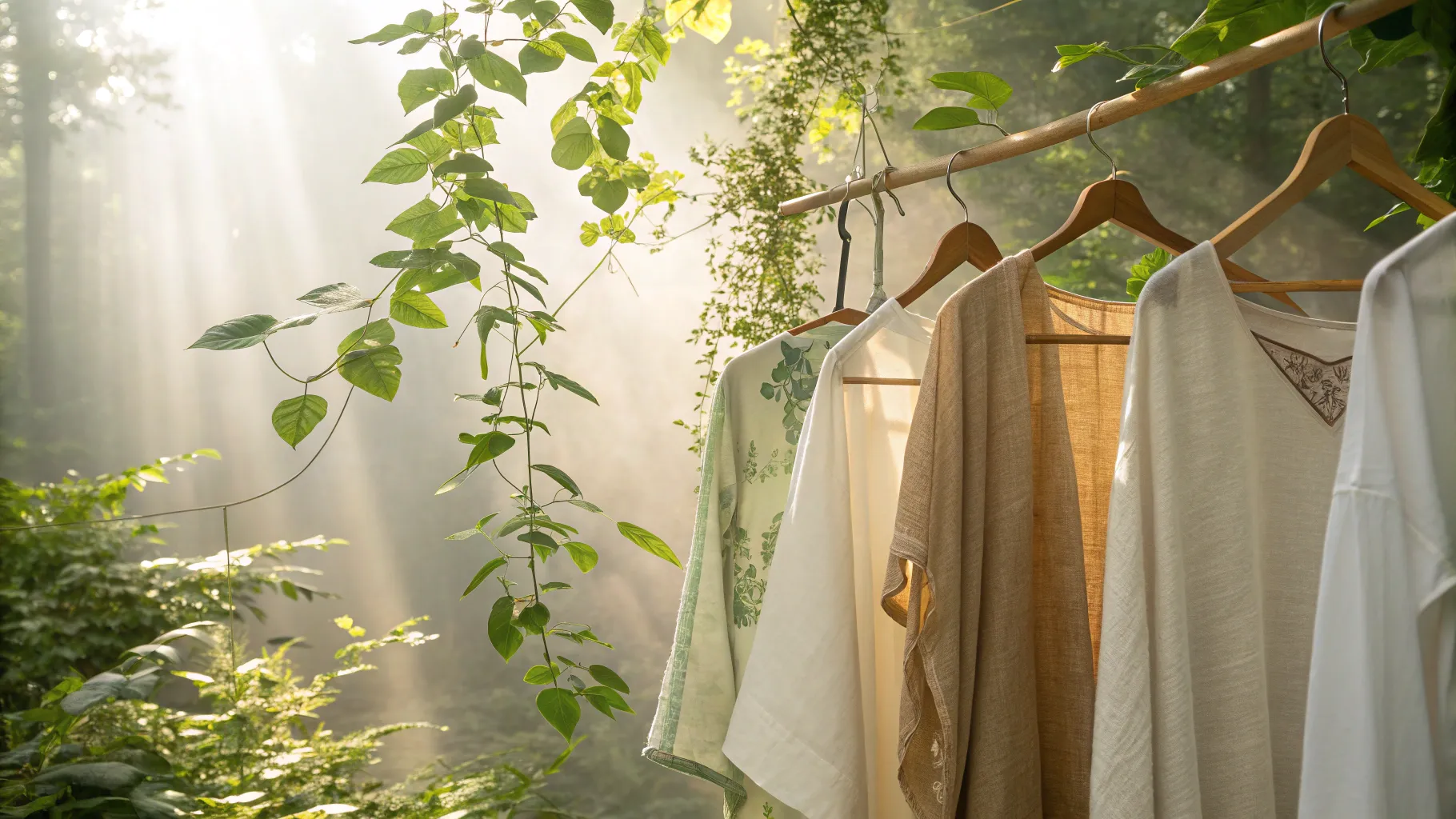
Eco-Friendly Fabrics for Clothing: Making the Switch
The benefits of switching from polyester to sustainable fabrics are numerous. Many of these alternatives are not only better for the environment but also enhance the comfort and health of those wearing them. Here are some viable options worth considering:
- Organic Cotton: Compared to traditional cotton, organic cotton is produced without harmful chemicals and pesticides. It is soft, breathable, and perfect for hot weather conditions. Plus, it has been reported that organic cotton production uses 91% less water than conventional methods, making it a great choice for eco-conscious individuals.
- Linen: This fabric boasts natural anti-bacterial properties and is highly breathable, making it one of the best fabrics for hot weather. Linen is derived from the flax plant, which requires significantly fewer resources to cultivate, thus making it a sustainable textile option. In 2025, linen’s popularity continues to grow as brands and consumers prioritize functionality alongside sustainability.
- Hemp Fabric: Often touted for its durability and strength, hemp fabric is an excellent replacement for polyester. Its natural resistance to mold and UV rays makes it perfect for outdoor clothing. Hemp also enriches the soil it’s grown in, contributing positively to agriculture, and has been shown to use less water and no pesticides, making it an environmentally friendly choice.
- Ramie: This lesser-known fiber is derived from a flowering plant, and like linen, it is incredibly breathable, making it ideal for summer wear. Ramie has been used for centuries, known for its natural luster, strength, and durability. It withstands wrinkles and mildew while also being biodegradable.
Breathable Fabrics Instead of Polyester
Your choice of fabric can dramatically influence your comfort level, especially in warmer climates. While polyester traps heat and moisture, leading to discomfort, the following options provide superior breathability:
- Bamboo Fabric: Soft, silky, and sustainable, bamboo fabric is breathable and has moisture-wicking properties that help regulate body temperature. People with sensitive skin often thrive in clothing made from bamboo due to its hypoallergenic qualities.
- Modal: Produced from beech trees, modal is a semi-synthetic fiber that is exceptionally smooth and breathable. It drapes beautifully, making it a popular choice for garments that come in direct contact with the skin.
- Tencel (Lyocell): Made from sustainably sourced wood pulp, Tencel is known for its breathability, softness, and eco-friendliness. It is biodegradable and is produced in a closed-loop process, meaning that virtually all solvents used in its production are recycled. Tencel clothing offers a luxuriously soft feel while being gentle on the planet.
As temperatures rise, most of us seek clothing that allows us to stay cool and comfortable while enjoying outdoor activities. Choosing breathable fabrics can significantly enhance your quality of life, particularly in the sweltering summer months.
Non-Toxic Fabrics for Sensitive Skin
Sensitive skin can react negatively to synthetic dyes and fibers, making selecting non-toxic fabrics a priority. Thankfully, natural alternatives are abundant:
- Organic Cotton: As mentioned, organic cotton is devoid of harmful chemicals, making it safe for individuals with sensitive skin. It’s soft, hypoallergenic, and perfect for those prone to irritation.
- Bamboo and Tencel: Both of these fabrics are naturally antibacterial, reducing the likelihood of skin irritation. Their soft textures are gentle against the skin, making them ideal for sleepwear and undergarments.
- Wool: Surprisingly, not all wool varieties are harsh. Merino wool, for instance, is incredibly soft and breathable. This natural fiber is moisture-wicking, keeping skin dry and comfortable.
Sustainable Fabrics vs Polyester: A Clear Choice
Sustainability has become a significant factor in purchasing decisions in 2025. As more brands commit to ethical practices, the comparison between sustainable fabrics and polyester becomes stark. Polyester, being a plastic-based fabric, contributes to microplastic pollution and takes hundreds of years to decompose. In contrast, natural fibers like hemp and organic cotton leave a lower environmental footprint.
Moreover, advancements in textile recycling have gained traction. Brands are increasingly adopting eco-friendly materials, encouraging consumers to consider their fabric choices carefully. Many renowned brands now offer lines made exclusively from sustainable fibers, educating customers about the health benefits of choosing natural fabrics.
In conclusion, whether you're looking for eco-friendly fabrics for clothing, breathable options instead of polyester, or non-toxic choices for sensitive skin, there’s a wealth of information and options available. Embracing sustainable fashion is more than an aesthetic choice; it is a commitment to personal health and the well-being of our planet. With the rise of eco-conscious brands making strides in creating high-quality, healthy alternatives, the future of the fashion industry looks promising.
Authored by FreshLifeWire team