Exploring Hawaii Multi-Island Cruise Packages
Hawaii is an archipelago best experienced by visiting multiple islands, and a cruise offers a seamless way to do just that. Exploring the state by sea removes the logistical hurdles of inter-island flights and changing hotels, allowing travelers to focus entirely on the destination.
Understanding the Appeal of Multi-Island Cruises
A Hawaii multi-island cruise provides a unique vantage point of the Aloha State. Passengers can wake up in a new port almost every day, maximizing their time exploring rather than waiting in airport security lines or packing and unpacking suitcases.
This mode of travel allows visitors to sample the distinct personalities of different islands. From the volcanic landscapes of the Big Island to the lush valleys of Kauai, cruising offers a comprehensive overview of the region without the stress of constant transit.
Common Itinerary Options and Port Highlights
Most standard Hawaii cruise itinerary options last between seven and fifteen days. Seven-day sailings typically embark from Honolulu on Oahu, while longer itineraries might originate from mainland ports like Los Angeles, San Diego, or Vancouver. The longer the sailing, the more time guests spend crossing the Pacific Ocean before reaching the islands.
- Oahu: Usually the starting point or a key port, known for Waikiki Beach and historical sites like Pearl Harbor.
- Maui: Famous for the Road to Hana and Haleakala Crater, often featuring an overnight stay in port to allow for extended exploration.
- The Big Island: Stops in Hilo or Kona provide access to Volcanoes National Park, black sand beaches, and expansive coffee plantations.
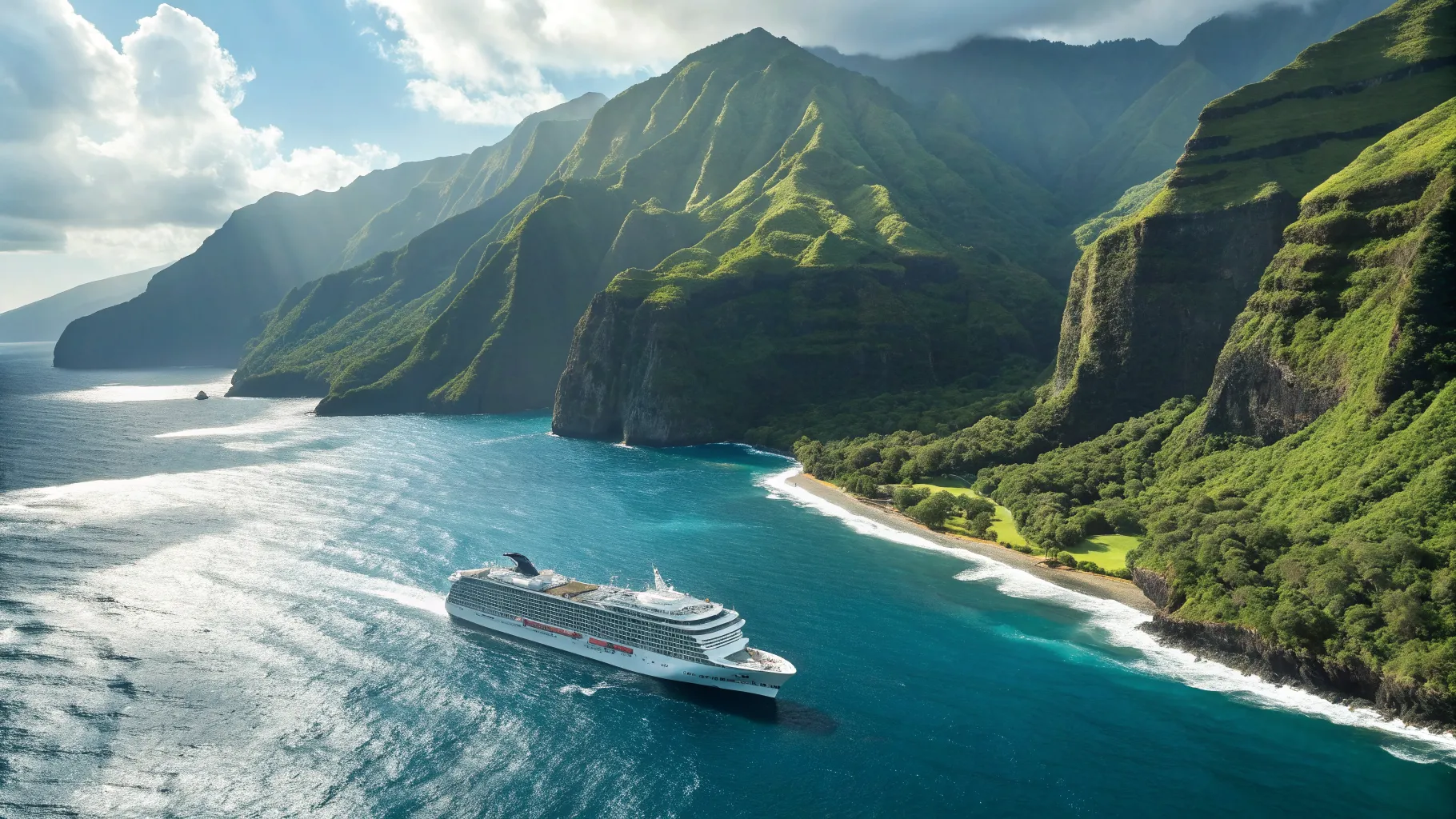
- Kauai: Renowned for the dramatic Na Pali Coast, which is often viewed from the deck of the ship as a scenic cruising highlight.
Decoding Hawaii Cruise Pricing and Packages
Using a Hawaii cruise pricing guide is essential for setting a realistic budget before booking a trip. Base fares typically cover standard cabin accommodation, meals in the main dining room, and complimentary onboard entertainment.
However, passengers must account for additional costs such as mandatory port taxes, crew gratuities, and shore excursions. Excursions in Hawaii can be particularly expensive due to the high cost of living and the specialized nature of activities like helicopter tours, authentic luaus, or snorkeling trips.
What to Expect from All-Inclusive Options
Travelers seeking financial predictability often look for all inclusive Hawaii cruise packages. While completely all-inclusive deals are relatively rare in the mainstream cruise industry, many lines offer bundled fares that incorporate drinks, Wi-Fi, specialty dining, and occasionally even flights.
Evaluating these packages requires reading the fine print carefully. Some beverage packages may exclude premium spirits, and shore excursion credits might only cover a fraction of the actual cost for popular Hawaiian tours. It is important to calculate whether paying for these perks upfront is more cost-effective than purchasing them a la carte.
Considerations for Retirees and Mature Travelers
A Hawaii cruise for retirees is a highly popular choice due to the comfortable pace and excellent accessibility features found on modern ships. Many vessels offer staterooms adapted for mobility aids, and elevators reliably reach all primary public spaces, making navigation straightforward.
Mature travelers should look into the specific demographics and onboard atmospheres of different cruise lines. Some brands cater heavily to multi-generational families with high-energy activities, while others focus on enrichment lectures, relaxed dining, and cultural presentations tailored to an older, more tranquil audience.
Timing Your Voyage for the Best Experience
The time of year significantly impacts the overall cruise experience in Hawaii. Peak travel seasons align with winter months and traditional school holidays, which generally result in higher ticket fares and more crowded tourist sites in port.
For those interested in local wildlife, sailing between December and April offers the incredible chance to spot humpback whales migrating through the warm Pacific waters. Alternatively, shoulder seasons like September and October often yield better cruise package deals and milder weather conditions, making them ideal for budget-conscious travelers.
Authored by FreshLifeWire team