Handcrafted Furniture Trends 2025
Why Handmade Furniture Is Thriving in 2025
In 2025, the demand for handmade furniture is soaring, as more people seek unique, quality pieces that stand out from mass-produced items. Handcrafted furniture brings a distinct charm that machine-made furniture often lacks, offering a personal touch and an unprecedented level of craftsmanship. This year, consumers are more conscious of sustainability and the environmental impacts of their choices. A focus on environmentally friendly materials and manufacturing processes is now at the forefront, making handmade pieces a preferred choice.
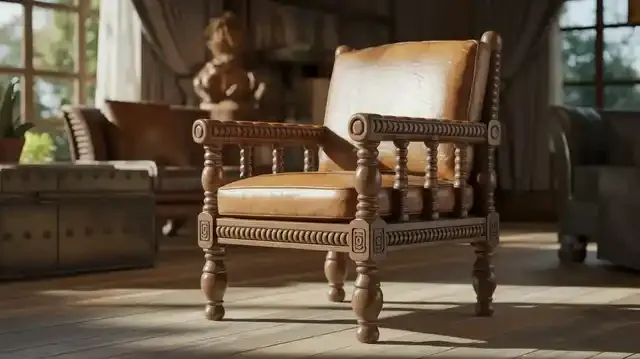
According to a recent market study, the global handmade furniture industry is valued at $36 billion, experiencing a remarkable 15% growth in the last six months alone. This surge is driven by both aesthetic appreciation and the growing 'buy local' ethos. Artisans around the globe are showcasing their skills, with regions like Southeast Asia and Eastern Europe leading the way in diversity and expertise.
Current Trends in Handmade Furniture Design
One of the most exciting trends in 2025 is the integration of traditional craftsmanship with modern design elements. This fusion creates pieces that feel both timeless and contemporary. Furniture makers are experimenting with minimalist designs that highlight the natural beauty of the materials—whether it's the grain of wood or the texture of fabric. Customers increasingly seek pieces that not only look good but also tell a story about the origins and inspirations behind their creation.
Another trend gaining traction is multifunctionality. With urban spaces becoming smaller, the demand for furniture that can serve multiple purposes is rising. Imagine a handcrafted wooden sofa that transforms into a bed or a dining table that doubles as a workspace. These innovative designs cater to the modern lifestyle, balancing functionality with aesthetics.
The Impact of Technology on Crafting Techniques
While handmade furniture emphasizes traditional skills, 2025 has seen a blend of these techniques with advanced technologies. Artisans are now using 3D modeling software to conceptualize and refine their designs before the first cut is made. This approach allows for precision and the ability to customize designs based on client needs.
Furthermore, sustainable production methods have evolved with the help of technology. For instance, laser-cutting technologies enable intricate designs to be replicated with minimal waste, aligning with the environmental goals set by eco-conscious consumers. Such innovations ensure that the tradition of handmade furniture keeps pace with contemporary demands.
Additionally, online marketplaces have expanded the reach of handmade furniture artisans. Platforms like Etsy and bespoke furniture websites have grown by about 20% according to recent data, making it easier for consumers to discover and purchase unique items from anywhere in the world. This digital shift has been pivotal in connecting craftsmen with a global audience.
In concluding the exploration of this year's trends, it's evident that the handmade furniture industry in 2025 presents both challenges and opportunities. Artisans who can adapt traditional skills to modern demands while preserving the essence of handcrafted artistry will continue to thrive. For consumers, this means ensuring their living spaces are filled with furniture that is not just functional, but also rich in character and history.
Authored by FreshLifeWire team