Hair Transplant Clinics in 2025 Cost Procedures and Tips
Understanding Hair Transplant Clinics in 2025
As we delve into 2025, the landscape of hair restoration has dramatically evolved, largely due to an increased demand for hair transplant clinics. The global market for hair restoration is estimated to exceed $20 billion this year, reflecting a notable rise in individuals seeking solutions for hair loss. As societal norms shift, there is a growing emphasis on self-care and personal appearance, making it crucial for those considering hair transplants to understand the procedures, options, and their long-term implications.
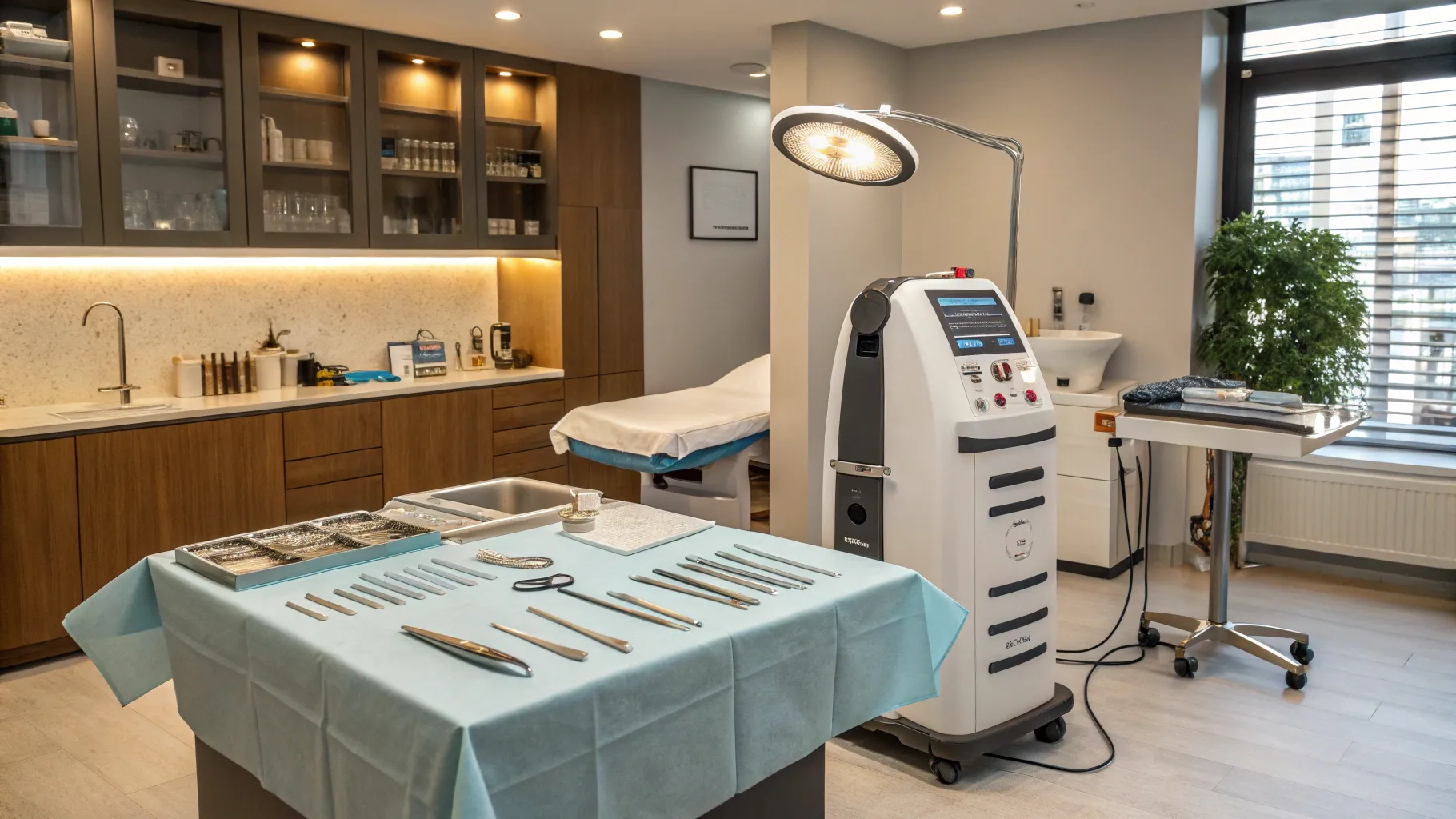
Hair Transplant Procedures Explained
Hair transplant procedures have become increasingly sophisticated and accessible, employing advanced techniques suitable for various hair loss patterns. The two leading methods that have garnered attention among clinics and patients alike are:
- Follicular Unit Extraction (FUE): This procedure involves the extraction of individual hair follicles from a donor area, typically the back of the head. These follicles are then carefully transplanted to the balding or thinning zones. A standout benefit of FUE is its minimally invasive nature, allowing for a quicker recovery time. Many patients find they can return to their normal routines in just a few days.
- Follicular Unit Transplantation (FUT): Commonly known as the strip method, FUT entails removing a strip of skin laden with hair follicles that are then dissected and relocated to areas with thinning hair. While FUT can yield greater hair density in one session, it often comes with a longer recovery period and can leave a thin linear scar. The choice between FUE and FUT largely depends on the extent of hair loss, lifestyle considerations, and specific personal preferences.
Recent advancements in hair transplantation have included robotic technology assisting in FUE, which enhances the precision of the extraction process. Patients can expect significant improvements in both technique and outcomes moving forward.
Selecting a Hair Transplant Clinic
Choosing the right hair transplant clinic is pivotal in obtaining successful results. Today's patients should be informed and proactive during their selection process. Here are essential factors to consider:
- Qualifications and Experience: Always verify the credentials of the surgeons and clinic staff. Reputable clinics should employ board-certified dermatologists or plastic surgeons who specialize in hair restoration. Their experience can significantly affect both the procedure's success and the quality of care.
- Before and After Photos: Look for clinics that showcase galleries of prior patients. Analyzing these images can help you visualize potential outcomes. Always be wary of excessively curated photos that may present unrealistic expectations.
- Personal Consultations: Having an in-depth consultation with a qualified surgeon is not just recommended but essential. This meeting serves as your opportunity to ask questions regarding techniques, expected results, and comprehensive recovery processes.
- Online Reviews and Testimonials: Reviews and feedback from previous patients can offer invaluable insights into a clinic's reputation. Websites like RealSelf provide a platform for users to share their experiences, helping you gauge the quality of service and patient satisfaction.
In 2025, telemedicine has expanded, allowing patients to consult with clinics nationwide and even internationally. Virtual consultations enable you to explore options and gather information from the comfort of your own home, eliminating geographical limitations.
Understanding Hair Transplant Costs
The costs associated with hair transplant procedures often vary significantly based on several influencing factors, including the chosen technique, the number of grafts needed, and the geographical location of the clinic. In 2025, here’s what patients can generally expect:
- FUE: Prices typically range from $3,000 to $15,000, based on the complexity of the case and the clinic’s reputation.
- FUT: The average cost is generally lower, ranging from $2,000 to $10,000.
Notably, costs have stabilized over the past year, attributed to heightened competition among clinics, especially in metropolitan areas. Remember to also account for additional expenses such as aftercare, prescription medications, and possible adjunct treatments like Platelet-Rich Plasma (PRP) therapies, known for promoting healing and hair growth.
Hair Transplant Recovery Tips
Recovery following a hair transplant is vital to ensure you get the best results from your investment. Here are some essential recovery tips:
- Adhere to Post-Operative Instructions: Following your surgeon's post-operative guidelines regarding care, medications, and activity restrictions will significantly influence your recovery trajectory. Every clinic should provide clear aftercare instructions tailored to your procedure.
- Maintain Scalp Hygiene: Gently washing your hair with the recommended shampoo is vital. Keeping your scalp clean helps reduce the risk of infections that could compromise your results. Your clinic will provide specific products and instructions.
- Avoid Sun Exposure: Protect your scalp from direct sunlight, particularly within the first month after surgery. Appropriate headwear or sunscreen specifically designed for scalp application can provide necessary protection.
- Prioritize Your Nutrition: Staying hydrated and consuming a balanced diet rich in vitamins and minerals plays a critical role in recovery. Foods that promote hair health—such as those high in protein, iron, and omega-3s—should be part of your daily nutrition.
- Practice Patience: Understand that new hair growth can take months to develop, often accompanied initially by a shedding phase. Being patient during this period is essential, and results may fully manifest anywhere from six months to a year.
On average, patients often notice visible improvements within three to six months of the procedure. However, individual experiences can vary significantly based on genetics, hair type, and the quality of the transplant itself.
With the growing accessibility and technological advancements in hair transplant procedures, people experiencing hair loss have more options than ever. By carefully choosing a reputable clinic and adhering to solid recovery practices, you can significantly enhance your chances of achieving successful results and enjoying the benefits of restored hair.
Authored by FreshLifeWire team