Hair Regrowth Treatments and Strategies for Thinning Hair
Understanding Treatments and Regrowth Strategies for Your Hair
Hair loss is a common concern affecting millions of people worldwide. By 2025, the global hair loss treatment market has seen incredible growth, expanding to an estimated value of over $7 billion. This growth can largely be attributed to increased awareness and the development of innovative hair regrowth solutions for men and women. To combat hair thinning and promote healthy hair regrowth, it's vital to understand the various treatments available today.
Effective Treatments for Hair Loss
There are several effective hair regrowth treatments available which cater to different causes of hair loss. When deciding on a treatment, first consider the underlying reason for your thinning hair. Causes can range from genetics to stress and nutritional deficiencies.
- Minoxidil: This topical treatment is FDA-approved and highly popular. It works by revitalizing hair follicles, leading to increased hair growth. Users typically see results within four to six months of consistent use.
- Finasteride: Another FDA-approved option, this oral medication is often prescribed for male pattern baldness. By blocking the hormone responsible for hair loss, it can be effective, though it may take up to a year for results to show.
- Low-level laser therapy: Utilizing specific wavelengths of light, this treatment stimulates hair follicles and can be an excellent non-invasive option for both men and women.
Best Hair Regrowth Strategies
No single treatment fits all, thus, combining strategies may yield the best results. Here are some of the best practices in hair regrowth strategies:
- Nutrition: A balanced diet is essential for healthy hair. Vitamins such as Biotin, Vitamin D, and minerals like zinc and iron can significantly impact hair health. Consider incorporating protein-rich foods and leafy greens into your meals.
- Scalp massages: Regularly massaging your scalp can improve circulation, stimulating the hair follicles. Using essential oils like rosemary or peppermint oil can enhance this effect.
- Stress management: Stress is a common factor that contributes to hair loss. Engage in relaxation techniques such as yoga, meditation, or even regular exercise to alleviate stress levels.
Medical Treatments for Hair Regrowth
For those facing significant hair loss, medical treatments offer promising results. Here are some recent advancements that have emerged in the last six months:
- Platelet-Rich Plasma (PRP) Therapy: This involves drawing a small amount of blood from the patient, processing it to extract plasma rich in platelets, and injecting it into the scalp. This technique has gained popularity due to its effectiveness in hair regrowth, with many clinics reporting a 70% satisfaction rate among patients.
- Hair Transplant Surgery: Advances in Follicular Unit Extraction (FUE) techniques have made hair transplants more accessible and less invasive than ever. The results are often natural-looking, and many clinics are showcasing success stories from satisfied patients.
Natural Hair Regrowth Remedies
While medical treatments are effective, natural remedies can offer supportive solutions in promoting hair health. Here are some of the most popular natural methods:
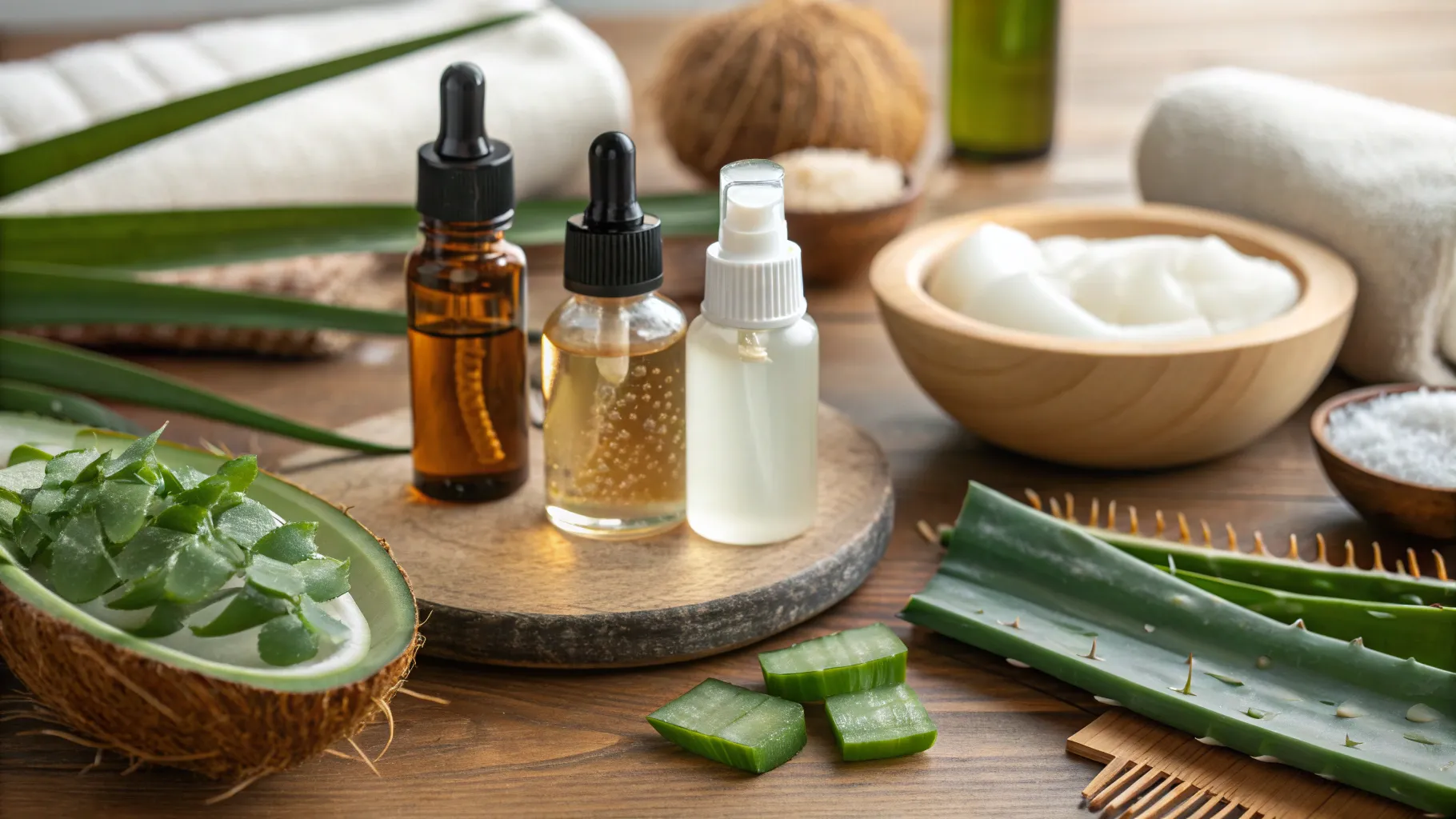
- Aloe Vera: Known for its soothing properties, aloe vera can help reduce scalp inflammation and also has a close pH to that of natural hair, making it a useful aid in maintaining healthy hair.
- Coconut Oil: Rich in fatty acids, coconut oil penetrates the hair shaft, preventing protein loss. It can also be used as a pre-shampoo treatment to keep hair hydrated.
- Onion Juice: While it may sound unconventional, many people have found success with onion juice. Its high sulfur content helps improve circulation to the scalp and encourages hair growth.
Hair Regrowth Products that Work
In 2025, various hair care products are essential aids for promoting hair health. Here are some that have consistently received positive acclaim:
- Nioxin System Kits: Designed for thinning hair, these three-step systems help cleanse and nourish the scalp, often yielding noticeable results within weeks.
- The Ordinary Multi-Peptide Serum for Hair Density: This serum, known for its bold claim of improving hair density and thickness, has gained a loyal following. Users report improvements in hair fullness and vitality after regular application.
- Rogaine Foam: Another product infused with minoxidil, this foam formulation simplifies application and helps many individuals achieve desirable hair regrowth.
Hair Regrowth After Hair Loss
People often wonder how long it takes to regrow hair after experiencing hair loss. Generally, with consistent treatment and the right approach, many individuals can see noticeable improvements within three to six months. However, results may vary based on individual hair types, underlying health issues, and consistency in applying chosen treatments.
For those dealing with hair thinning or loss, it’s essential to remain patient and persistent. By adopting the right mix of treatments, natural remedies, and a healthy lifestyle, you can not only promote hair regrowth but also restore confidence in your hair's appearance.
In summary, understanding the various treatments and regrowth strategies available in 2025 provides hope to many individuals battling hair loss. The combination of modern medicine and traditional remedies continues to evolve, offering everyone a chance to find solutions that work for them.
Authored by FreshLifeWire team