Hair Color Mistakes That Make You Look Older: Expert Tips to Avoid Them
Facts:
- Wrong hair tones can emphasize wrinkles and fine lines.
- Subtle, multi-tonal color is a major trend for mature hair color ideas.
Why Your Hair Color Could Be Secretly Aging You
The right hair color can illuminate your complexion, highlight your best features, and exude youthful vibrancy. However, the wrong shade can have the opposite effect, inadvertently adding years to your appearance. Many people fall into common traps, making hair color mistakes that make you look older without even realizing it. Understanding these pitfalls is the first step towards a more youthful and radiant look. This guide delves into the most frequent common hair color mistakes and provides actionable hair coloring tips to help you select the perfect shade that complements you at any age, turning your hair into an asset for a timeless appearance.
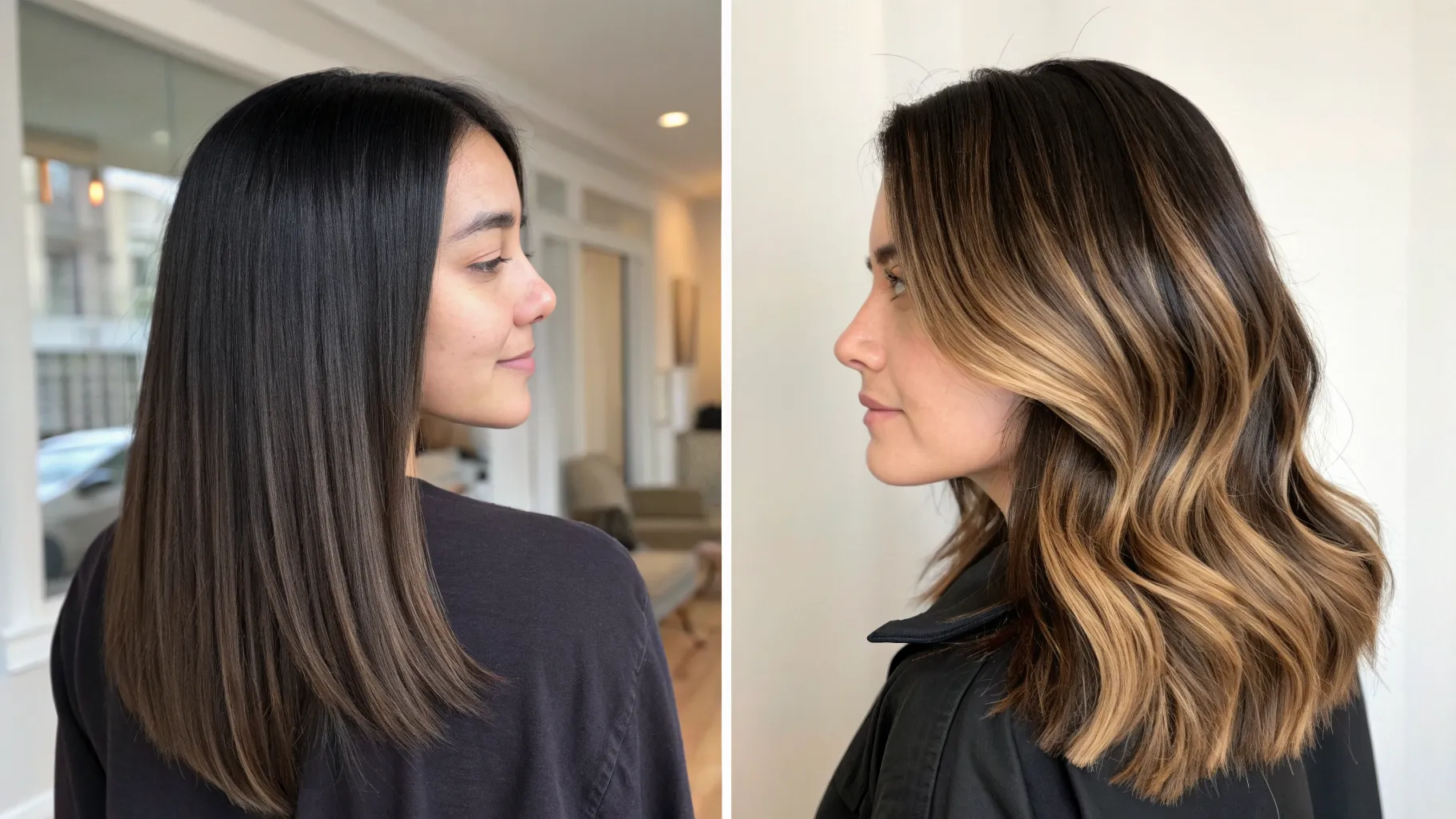
Mistake #1: Going Too Dark and Monochromatic
One of the most widespread hair color mistakes that make you look older is choosing a single, flat shade that is too dark. A harsh, solid color, especially jet black or a very dark brown, can create stark contrasts against your skin. As we age, our skin naturally loses some pigment and volume, and a severe, dark hair color can cast unflattering shadows, accentuating fine lines, wrinkles, and dark circles under the eyes. This lack of dimension makes the hair appear wig-like and unnatural. Instead of a solid color, consider incorporating subtle, lighter pieces to break up the darkness. This is a key piece of advice in our hair coloring tips for a softer, more youthful frame for your face.
Mistake #2: Choosing a Color That's Too Ashy or Cool
While ashy and cool tones are trendy, they can be unforgiving as skin changes with age. Cool-toned colors like platinum ash blonde or silvery gray can wash out your complexion, making it appear dull and tired. These shades can sometimes highlight the natural ruddiness or sallow tones in mature skin, which is a critical factor in aging hair color choices. A better approach is to opt for warmer tones. Think golden blondes, honey hues, caramel browns, or warm auburns. These colors reflect light and bring a warm, healthy glow to the skin, creating a much more vibrant and youthful effect. Avoiding overly cool tones is one of the most important hair coloring tips for mature individuals.
Mistake #3: Ignoring Your Skin's Undertones
A fundamental rule of hair color is working with, not against, your skin's natural undertones. Choosing a hair color that clashes with your undertone (cool, warm, or neutral) is a classic mistake. If you have cool undertones (pink, red, or bluish hues in your skin), a super warm, golden-blonde might make you look flushed or ruddy. Conversely, if you have warm undertones (yellow, peachy, or golden hues), an icy, ashy color can make your skin look sallow. Identifying your undertone is crucial. This is not just a general tip; it's a cornerstone for avoiding aging hair color choices and finding the perfect mature hair color ideas that create a harmonious and flattering look.
Mistake #4: Obvious, Chunky Highlights
The era of stark, stripey highlights is long past, yet it remains one of the more common hair color mistakes that can instantly date your look. Thick, contrasting streaks lack the subtlety needed for a sophisticated, modern appearance. They look unnatural and can be harsh against the face. The modern approach to highlights involves more delicate, blended techniques like balayage or babylights. These methods create a natural, sun-kissed effect with seamless transitions between colors. This multi-tonal depth adds dimension and makes hair look fuller and healthier, which are key characteristics of youthful hair.
Mistake #5: Drastic Changes and Ignoring Gray Blending
Attempting a drastic color change, like going from dark brunette to platinum blonde in one session, can be incredibly damaging to hair. Damaged, brittle hair looks unhealthy and automatically adds age. Furthermore, as gray hairs appear, many people's first instinct is to cover them with a solid, opaque color. This can result in a flat look and a very noticeable line of demarcation as the roots grow in. A smarter strategy is gray blending. This involves weaving in highlights and lowlights that work with the gray strands, turning them into a feature rather than something to hide. This is one of the most effective mature hair color ideas for a graceful, low-maintenance, and modern style.
Actionable Hair Coloring Tips for a Youthful Glow
To avoid these pitfalls, it's essential to adopt a strategic approach to your hair color. These tips will guide you toward making the best choices for a fresh and vibrant look.
- Add Warmth and Dimension: Instead of a single flat color, ask your stylist for a multi-tonal look. Incorporating warm tones like gold, honey, or caramel through subtle highlights or balayage can instantly brighten the face and give the illusion of fuller, healthier hair. This is one of the most effective hair coloring tips.
- Go a Shade or Two Lighter: As a general rule, going slightly lighter than your natural color can soften your features. This doesn't mean you have to go blonde, but a rich chocolate brown is often more flattering than a harsh black, and a dark golden blonde is softer than an icy platinum. These are excellent mature hair color ideas.
- Focus on Face-Framing Highlights: Placing a few strategically lighter pieces around your face, often called a 'money piece,' can have a dramatic brightening effect. It draws light to your face, illuminates your complexion, and distracts from any imperfections.
- Prioritize Hair Health: Healthy, shiny hair always looks more youthful. Use color-safe shampoos and conditioners, deep-condition regularly, and use heat protectant sprays. Shiny hair reflects light better, which makes the color look richer and more vibrant, helping to avoid the dullness associated with some aging hair color choices.
Frequently Asked Questions
What is the biggest hair color mistake that makes you look older?
One of the most common hair color mistakes is choosing a single, flat, dark color. This can look harsh, cast shadows on the face, and emphasize fine lines and wrinkles, making it one of the most significant aging hair color choices.
How can I find mature hair color ideas that suit me?
The best approach is to consult with a professional colorist. They can analyze your skin tone, eye color, and natural hair color to suggest flattering shades. Look for inspiration in soft, multi-tonal colors, like caramel balayage or subtle golden highlights, which are great mature hair color ideas.
Does red hair make you look older?
Not necessarily, but the wrong shade of red can. Very bright, artificial-looking reds can be harsh. Opt for softer, more natural reds like copper, auburn, or strawberry blonde. Getting the tone right is a crucial part of our hair coloring tips to ensure a youthful result.
References
- Interviews with celebrity hair colorists and stylists.
- Studies on color theory and the perception of age in aesthetics.
- Professional cosmetology training manuals on mature hair care.
- Dermatological journals on skin changes with age and cosmetic correlations.
Authored by FreshLifeWire team