Gum Disease and Its Link to Heart Problems Explained
Understanding the Link Between Gum Disease and Heart Problems
Health is a complex web of interconnected systems, and in 2025, new research highlights an intriguing connection between gum disease and heart problems. With oral health emerging as a significant player in cardiovascular wellness, understanding this link is crucial for maintaining overall health. This article explores the mechanics of this relationship, presents current statistics, and provides real-life accounts demonstrating how good oral hygiene goes beyond mere aesthetics.
What is Gum Disease?
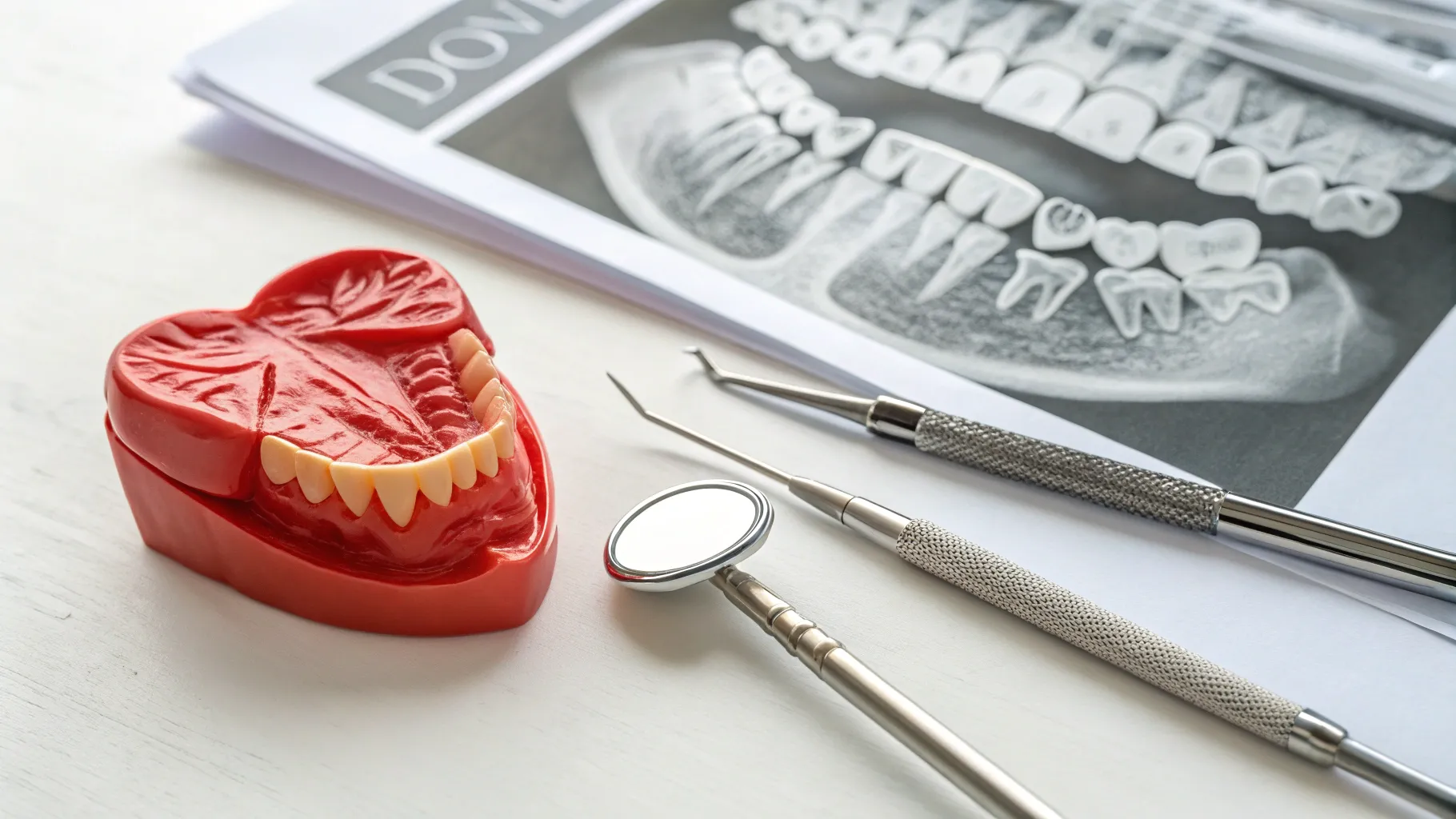
Gum disease, commonly referred to as periodontal disease, affects the gums and can lead to serious consequences if left untreated. It begins as gingivitis, a mild inflammation that, if disregarded, can progress to periodontitis, a more severe form that causes destruction of the supporting structures of the teeth. Alarmingly, it is estimated that approximately 50% of adults over 30 are currently affected by some form of gum disease, according to the American Academy of Periodontology.
Identifying the symptoms is essential for early intervention:
- Swollen or tender gums
- Gums that bleed during brushing or flossing
- Persistent bad breath
- Teeth that feel loose
- Changes in bite or alignment
The Mechanism Behind the Connection
Understanding the connection between gum disease and heart problems involves looking closely at inflammation. When the gums become infected, bacteria can infiltrate the bloodstream, triggering systemic inflammation throughout the body. Inflammation is a known contributor to cardiovascular diseases, making the connection between oral health and heart health critical.
Recent studies published within the Journal of Cardiology reveal startling facts; individuals enduring chronic gum disease are at a 20% higher risk of experiencing a heart attack compared to those who maintain healthy gums. The trend indicates that poor oral health cannot be viewed in isolation but as part of a larger picture of health.
Another alarming outcome of untreated gum disease is its role in developing atherosclerosis, a condition characterized by the buildup of plaque in the arteries. The persistent inflammation associated with gum disease leads to increased levels of C-reactive protein (CRP) and other inflammatory markers that accelerate the atherosclerotic process, thereby underlining the importance of maintaining healthy gums for a healthy heart.
Current Statistics and Findings
In a study published just this year, data showcased that around 64% of adults suffering from severe periodontal disease concurrently experience cardiovascular issues. This statistic starkly illustrates the necessity of scrutinizing oral hygiene as a vital component of overall health—one that can have profound implications well beyond the mouth.
Moreover, gum disease is not merely a standalone issue; it is associated with various other serious health conditions including:
- Type 2 Diabetes
- Respiratory diseases
- Rheumatoid arthritis
- Increased risk of stroke
Healthcare professionals are increasingly advocating for improved oral healthcare as a means to prevent and mitigate the risk of heart disease. Regular dental check-ups, combined with appropriate oral hygiene practices, can significantly reduce these risks, allowing individuals to take control of their health.
Real-World Examples
Take the case of Jane, a 62-year-old woman who struggled for years with gum disease. After a particularly routine dental visit, it was revealed that her inflamed gums mirrored underlying heart issues. Following a consultation with her cardiologist, it became clear that her heart condition was significantly aggravated by her gum health. By addressing her periodontal issues through targeted dental care and embracing a heart-healthy lifestyle, Jane managed to improve her cardiac health significantly.
This isn’t an isolated example. Numerous studies have echoed these findings, with patients discovering that a focus on treating gum disease produces health benefits that extend beyond the mouth. In 2025, healthcare providers are finding more of their patients are aware of how oral health intersects with various body systems, thus empowering them to make informed health decisions.
Personal Responsibility and Preventive Measures
Equipped with knowledge about the vital intersection between gum disease and heart health, individuals can adopt proactive measures for their well-being. Implementing a strong oral care routine is essential in mitigating health risks:
- Brush Twice Daily: Utilize fluoride toothpaste effectively to eliminate plaque and food particles.
- Floss Daily: Flossing can reach areas a toothbrush often misses, crucial for effective oral care.
- Regular Dental Check-ups: Professional cleaning and check-ups at least every six months are paramount for catching potential gum issues early.
- Healthy Diet: Maintain a diet rich in fruits, vegetables, and whole grains while minimizing sugary foods, as diet directly influences oral health.
- Quit Smoking: Smoking significantly deteriorates gum health and exacerbates related issues.
Taking personal responsibility for one’s gum health is critical for reducing the likelihood of future heart problems. The interconnections between various bodily systems reveal an urgent need for integrated health practices in today's healthcare environment.
As awareness of this connection continues to grow in 2025, integrating dental health screenings into routine cardiovascular assessments is becoming increasingly crucial. Proper gum care transcends cosmetic concerns; it is a key investment in long-term health, with the potential to enhance life quality significantly.
Authored by FreshLifeWire team