The Ultimate Guide to Vitamins for Sleep and Anxiety
Facts:
- Certain vitamin deficiencies are directly linked to mood disorders.
- Growing consumer interest in holistic health solutions for anxiety and sleep.
The Intricate Link Between Nutrition and Your Mental State
In our fast-paced world, achieving restful sleep and a calm mind can feel like an uphill battle. Many people are turning to nutritional science to find solutions, focusing on the powerful connection between what we eat and how we feel. Understanding this link is the first step toward harnessing the benefits of vitamins for sleep and anxiety. A well-balanced diet rich in specific nutrients can significantly impact neurotransmitter function, which governs our mood, stress response, and sleep cycles. By addressing potential deficiencies, we can leverage sleep support vitamins and other natural compounds to foster a state of tranquility and improve sleep quality, creating a sustainable foundation for mental well-being and exploring the full potential of anxiety and nutrition.
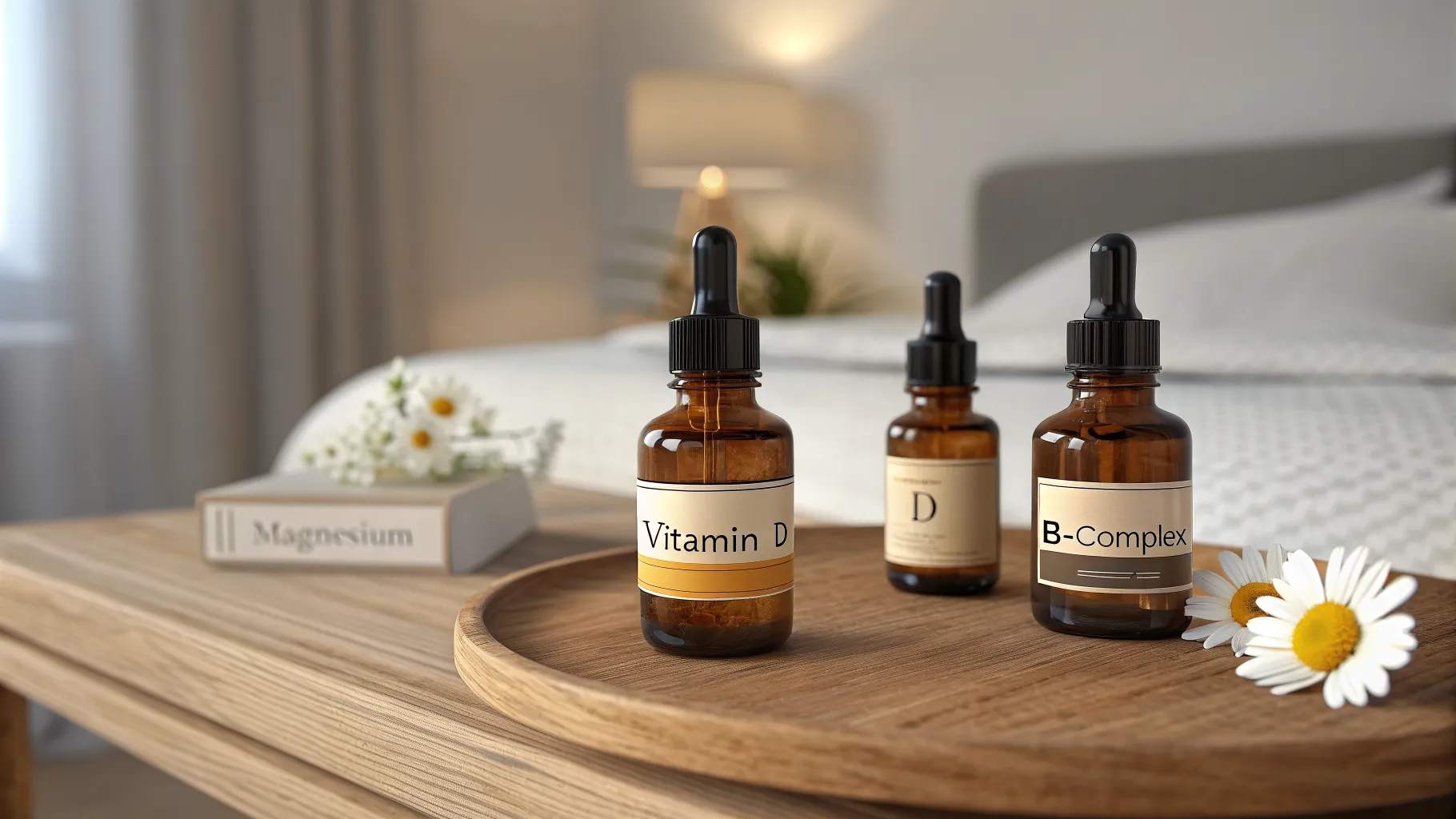
Key Vitamins and Minerals for Restful Nights and Calm Days
When your body lacks essential nutrients, it can disrupt the delicate balance of hormones and neurotransmitters responsible for regulating sleep and mood. This is why a targeted approach using specific vitamins for sleep and anxiety can be so effective. These are not just random supplements; they are crucial components your brain needs to produce calming chemicals like serotonin and GABA. Let's delve into the specific nutrients that have been scientifically shown to offer support and explore how they contribute to your overall mental health and tranquility.
Vitamin D: The Sunshine Vitamin's Role in Mood Regulation
Often associated with bone health, Vitamin D is also a critical player in mental wellness. Receptors for Vitamin D are found throughout the brain, including in areas linked to anxiety and depression. A deficiency can impair cognitive function and contribute to mood imbalances. Ensuring adequate levels through sunlight exposure or supplementation can be a fundamental aspect of managing anxiety. This is a cornerstone of any effective plan focusing on anxiety and nutrition.
B Vitamins: The Brain's Powerhouse Complex
The B-vitamin complex, particularly B6, B9 (folate), and B12, is essential for neurological health. Vitamin B6 is a necessary cofactor in the synthesis of neurotransmitters like serotonin and dopamine. Low levels of these B vitamins are often observed in individuals with anxiety and sleep disturbances. Incorporating these brain wellness supplements can help regulate mood and support the nervous system, making them powerful vitamins linked to relaxation.
Magnesium: The Ultimate Relaxation Mineral
While technically a mineral, magnesium is often discussed alongside vitamins for sleep and anxiety due to its profound calming effects. It helps regulate the stress-response system and maintain healthy levels of GABA, a neurotransmitter that promotes sleep. Magnesium can also help relax muscles and quiet the mind, making it one of the most effective sleep support vitamins and minerals available. Many people find that supplementing with magnesium before bed significantly improves their ability to fall and stay asleep.
How to Create a Supplement Strategy for Wellness
Simply buying a bottle of supplements is not enough; creating a thoughtful strategy is key to seeing real results. It's important to understand how different nutrients work together and the best time to take them for maximum absorption and effect. For instance, some sleep support vitamins are best taken in the evening, while others support energy metabolism and are better suited for the morning. Consulting with a healthcare professional can help you tailor a plan that addresses your specific deficiencies and goals, ensuring your approach to anxiety and nutrition is both safe and effective. A personalized regimen can transform your use of brain wellness supplements from a guessing game into a targeted wellness strategy.
Comparing Natural Sleep Aids: What Really Works?
Beyond individual vitamins, several other natural compounds are praised for their calming properties. L-theanine, an amino acid found in green tea, promotes relaxation without drowsiness. Ashwagandha, an adaptogenic herb, helps the body manage stress more effectively. When comparing these options, it's important to consider their mechanism of action. While magnesium and certain B vitamins directly participate in neurotransmitter production, herbs like ashwagandha help modulate the body's cortisol response. Often, a combination approach that includes a foundation of essential vitamins for sleep and anxiety alongside targeted herbal supplements yields the most comprehensive results. Understanding these distinctions is crucial for anyone looking for effective vitamins linked to relaxation.
Lifestyle Adjustments to Amplify Nutritional Benefits
Supplements are most effective when paired with a healthy lifestyle. No amount of vitamins for sleep and anxiety can fully counteract the effects of poor sleep hygiene or a high-stress environment. The following adjustments can create a supportive framework for your nutritional strategy:
- Establish a Consistent Sleep Schedule: Go to bed and wake up around the same time every day, even on weekends. This helps regulate your body's internal clock, or circadian rhythm.
- Create a Relaxing Bedtime Routine: Engage in calming activities before bed, such as reading, taking a warm bath, or practicing mindfulness meditation. Avoid screens for at least an hour before sleep, as the blue light can disrupt melatonin production.
- Optimize Your Sleep Environment: Ensure your bedroom is dark, quiet, and cool. blackout curtains, earplugs, or a white noise machine can be highly effective tools.
- Mindful Movement and Exercise: Regular physical activity is a powerful way to reduce anxiety and improve sleep quality. However, avoid intense workouts close to bedtime as they can be overstimulating.
- Practice Stress Management: Incorporate techniques like deep breathing exercises, yoga, or journaling into your daily routine to manage stress levels, which directly complements your efforts with anxiety and nutrition.
Frequently Asked Questions
Which vitamin is best for anxiety and sleep?
While there is no single 'best' vitamin, magnesium is often cited as one of the most effective supplements for both anxiety and sleep. It plays a crucial role in calming the nervous system and regulating neurotransmitters that promote relaxation. Combining it with Vitamin D and B-complex vitamins can create a powerful synergy, making them excellent vitamins for sleep and anxiety.
Can low Vitamin D cause anxiety?
Yes, numerous studies have shown a strong correlation between low Vitamin D levels and an increased risk of anxiety and mood disorders. Vitamin D receptors are widespread in the brain, and the vitamin is involved in processes that protect neurons and reduce inflammation, making it a key component of any anxiety and nutrition plan.
How long does it take for sleep support vitamins to work?
The timeframe can vary depending on the individual and the severity of the nutrient deficiency. Some people may notice subtle improvements in a few weeks, while for others, it may take one to three months of consistent use to experience the full benefits of their brain wellness supplements.
Are there any risks with taking vitamins linked to relaxation?
Generally, when taken at recommended dosages, these vitamins are safe for most people. However, it's always best to consult with a healthcare provider before starting any new supplement regimen, especially if you have pre-existing health conditions or are taking other medications. This ensures a safe and effective approach.
References
- The Role of Magnesium in Neurological Disorders - 2018
- Vitamin D and the Nervous System - Journal of Neurochemistry
- Nutritional Aspects of Sleep - Department of Psychiatry and Behavioral Sciences
- The Effects of L-theanine on Objective Sleep Quality - 2019
Authored by FreshLifeWire team