A Civilian's Guide to Surplus Military Radios in 2025
As of late 2025, the market for surplus military radios continues to fascinate hobbyists, collectors, and preparedness enthusiasts. This equipment, known for its ruggedness and historical significance, offers a unique window into tactical communications. However, acquiring and operating this gear requires knowledge and care. This guide provides essential information on navigating the world of decommissioned military communication equipment.
Understanding Decommissioned Communication Gear
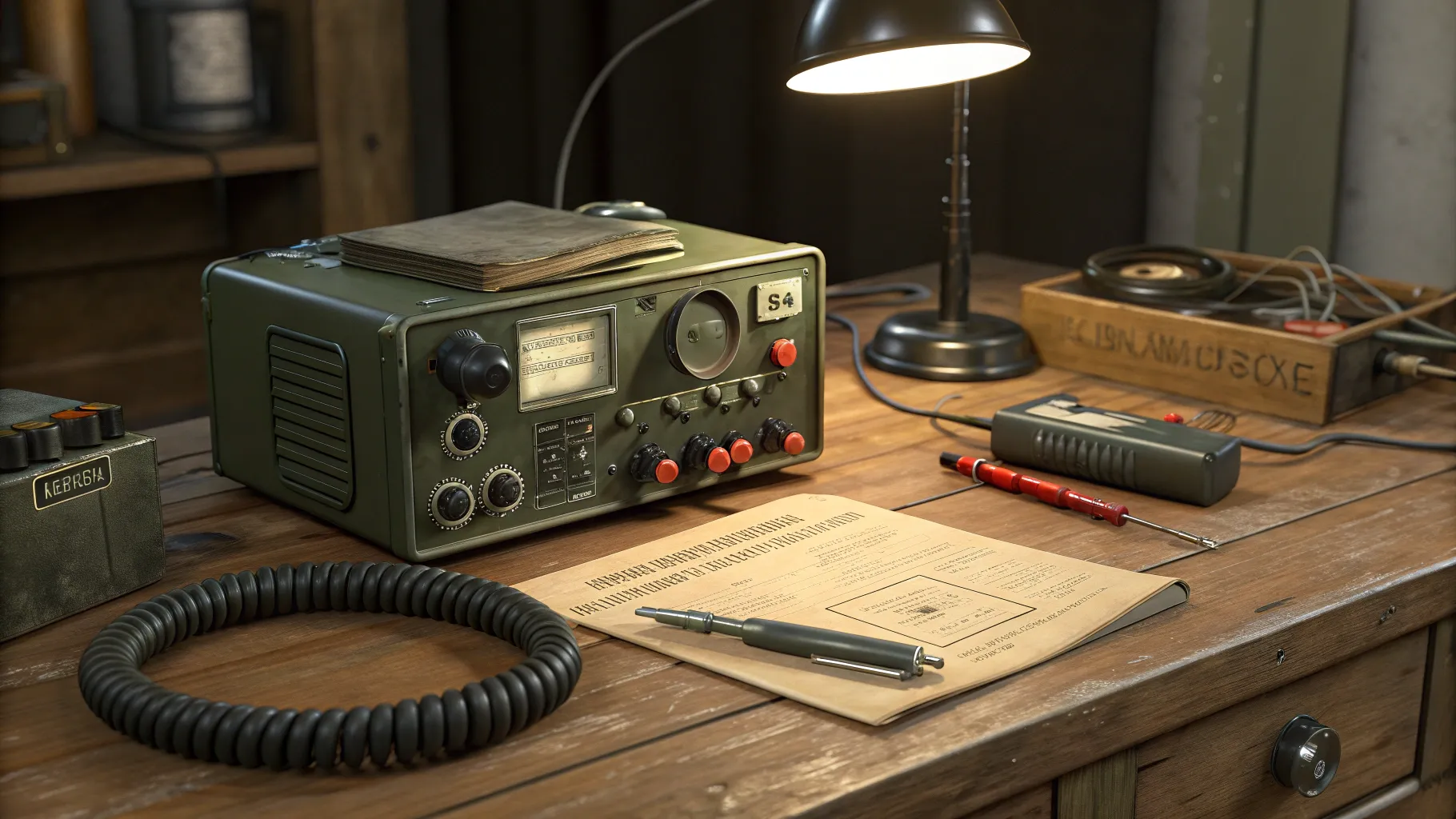
When military technology is updated, older equipment is phased out and often sold to the public as surplus. This decommissioned communication gear includes everything from handheld transceivers to vehicle-mounted systems. These radios were built to withstand harsh environments, making them far more durable than most consumer-grade electronics. Their appeal lies in their robust construction, historical value, and for licensed operators, their powerful capabilities.
Common Types of Military Radios on the Surplus Market
The variety of surplus gear can be overwhelming. Understanding the basic categories is the first step for any potential buyer.
Key Categories:
- Man-portable Radios: Often called 'manpacks', these are designed to be carried by a single person. Models like the AN/PRC series are iconic examples and popular among collectors and amateur radio operators.
- Handheld Transceivers: Smaller, walkie-talkie style units designed for squad-level communication. They are generally more accessible and easier to manage for beginners.
- Vehicular Radios: These are larger, more powerful units designed for installation in vehicles. They often require more power and a dedicated antenna system, making them a more advanced project.
Navigating Frequency Ranges and Legal Use Rules
This is the most critical aspect of owning surplus military equipment. While it's legal to own most of this gear, transmitting with it is heavily regulated. Many military radios operate on frequencies outside of civilian-accessible bands.
Legal use rules are strict. To legally transmit, you will likely need an amateur radio (HAM) license issued by your country's telecommunications authority. Even with a license, you are restricted to specific amateur bands. Transmitting outside these bands is illegal and can incur severe penalties. It is essential to research the frequency ranges of any radio you consider buying and confirm that it can be legally modified or operated on amateur frequencies. Some radios are sold as 'receive-only' for this reason.
Where to Buy Surplus Radios: A 2025 Guide
Finding authentic gear requires knowing where to look. As of December 2025, several reliable sources exist.
Top Sources:
- Specialty Surplus Stores: Online retailers specializing in military surplus are often the best bet. They may provide information on the radio's condition and history.
- Online Auction Sites: Websites like eBay can be a treasure trove, but buyer beware. Research sellers and understand that equipment is often sold 'as-is'.
- Hamfests and Conventions: Amateur radio gatherings are excellent places to find where to buy surplus radios and get advice from experienced operators.
Essential Testing and Compatibility Tips
Once you acquire a radio, the work is just beginning. Proper evaluation is key to a successful project.
First, perform a thorough visual inspection. Check for corrosion, damaged connectors, and missing parts. When it comes to power, be extremely cautious. These radios often use non-standard battery packs and voltages. Use a variable power supply to test the unit safely. For any transmission tests, use a dummy load instead of an antenna to avoid illegal broadcasting. These testing and compatibility tips will protect your equipment and keep you compliant with regulations. Finding compatible accessories like antennas, handsets, and battery solutions is often a major part of the hobby, requiring research and sometimes custom fabrication.
References:
www.arrl.org/getting-your-technician-license
www.govinfo.gov/app/collection/cfr/2022/title47
www.fairradio.com/resource.htm
Authored by FreshLifeWire team