Guide to Military Nurse Programs and Careers in 2025
Guide to Military Nurse Programs
As we move through 2025, the demand for qualified healthcare professionals continues to grow, particularly within the military sector. Military nurse careers offer various opportunities for those interested in combining healthcare and a sense of duty towards serving the nation. Becoming a military nurse involves specific training and knowledge, allowing individuals to provide essential medical care in unique and diverse environments.
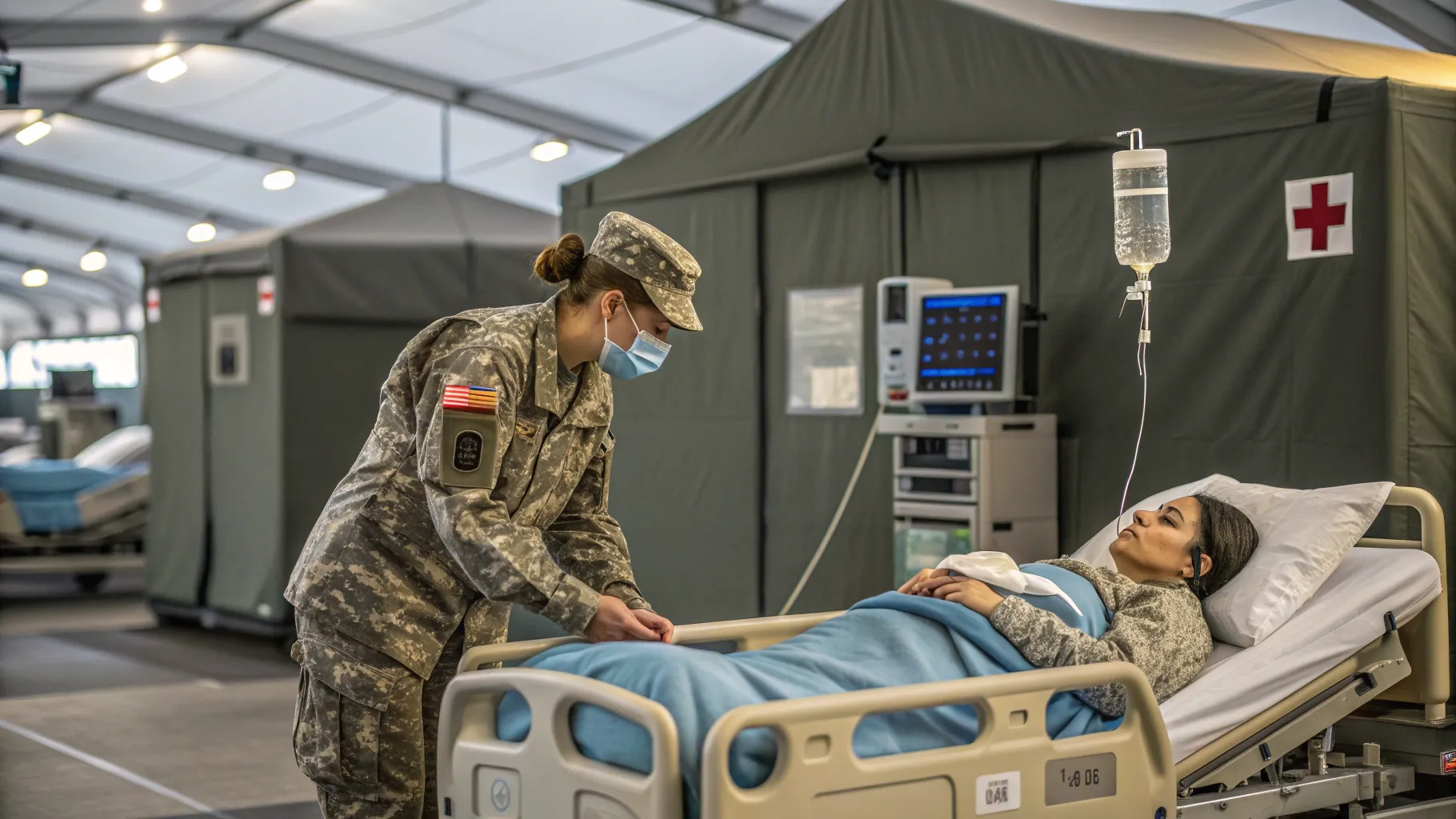
How To Join Military Nursing
If you aspire to become a military nurse, understanding the pathway to join is crucial. Each branch of the military—Army, Navy, and Air Force—has its entry requirements, but some foundational steps apply universally. Here’s a breakdown of the process:
- Educational Requirements: A Bachelor of Science in Nursing (BSN) remains the standard qualification. In recent years, accelerated programs have become more popular, typically completing nursing education in 12 to 18 months for those with a prior degree.
- Licensure: Before joining the military, you must pass the NCLEX-RN to become a registered nurse (RN).
- Military Entrance Process: Candidates must be in good physical health, pass the Armed Services Vocational Aptitude Battery (ASVAB) test, and go through a thorough background check.
The recruitment process combines rigorous physical and mental evaluations designed to ensure that candidates can face the challenges of military duty. Additionally, attending the required officer training school is essential.
Types of Military Nursing Roles
Military nursing encompasses various roles tailored to meet the unique needs of service members and their families. Nurses can specialize in areas such as:
- Emergency and Trauma Nursing: These nurses work in high-stress environments, often deploying to combat zones where immediate care is needed.
- Pediatric Nursing: Serving military families often involves specialized care for children, adapting to the specific challenges these families face.
- Psychiatric Nursing: As mental health awareness grows, military nurses are increasingly pivotal in supporting troops, focusing on PTSD and other mental health issues.
- Flight Nurses: These highly skilled professionals provide medical support in air evacuation situations, requiring specialized training.
Each specialty equips military nurses with unique skills and experiences that can serve them well in their careers, either within the military or transitioning to civilian roles.
Requirements for Military Nurses
As mentioned earlier, educational qualifications are important, but what other specific requirements should aspiring military nurses be aware of? Here are some essential criteria:
- Citizenship: You must be a U.S. citizen or a legal resident to serve as a military nurse.
- Age Limits: The age limits vary; typically, candidates must be between 18 and 42. However, flexibility exists for those with advanced qualifications.
- Background and Security Clearance: A clean background is essential due to the sensitive nature of military operations.
- Physical Fitness: Physical fitness standards are mandatory, ensuring that nurses can handle the physical demands of military service.
These requirements help ensure that every military nurse is prepared for their demanding role, poised to provide care under challenging conditions.
Military Nursing Salaries
When considering a career as a military nurse, salary is a vital factor. As of 2025, military nurses earn competitive salaries compared to their civilian counterparts. Factors influencing military nursing salaries include rank, years of service, and specialty:
- Starting Salaries: Newly commissioned officers typically earn a starting salary ranging from $60,000 to $70,000 annually. However, nurses with advanced certifications may command higher salaries right out of training.
- Rank Advancement: Salaries can increase significantly with promotions, with experienced nurses earning upwards of $100,000 annually at higher ranks.
- Comprehensive Benefits: Alongside a salary, military nurses receive benefits like housing allowances, health insurance, and retirement plans, which can sometimes outweigh civilian salaries.
Many military nursing roles come with additional bonuses for critical skills or deployments, further enhancing earning potential.
Benefits of Military Nursing
Choosing to be a nursing professional in the military comes with distinct advantages. Here are some of the top benefits:
- Loan Repayment and Tuition Assistance: Many military nursing programs offer student loan repayment plans and tuition assistance, making education financially accessible.
- Career Development Opportunities: The military invests heavily in continuing education, providing access to courses, certifications, and advanced degrees.
- Stable Employment: Military positions typically assure job security, even during economic downturns, allowing nurses to focus on their calling.
Additionally, the varied experiences gained through military service can enrich personal and professional growth, equipping nurses with unique skills that are highly regarded in the civilian healthcare sector.
Military vs Civilian Nursing
Exploring the differences between military and civilian nursing roles reveals both distinct advantages and challenges. For example, military nurses often face trauma and high-stress situations, which may not be as pronounced in civilian settings. In contrast, civilian nurses often experience a wider variety of patients and conditions in a more stable environment.
Beyond the clinical setting, military nurses enjoy camaraderie and strong support networks with fellow service members, which can create a unique working environment. Furthermore, career mobility tends to vary, with military nurses having extensive opportunities for international assignments that broaden their experiences considerably.
As military nursing continues to evolve, it remains a noble profession, requiring dedication and commitment. Whether in the heat of battle or assisting in hospitals at home, military nurses stand as pillars of strength for those in their care, exemplifying the essence of service to others.
Authored by FreshLifeWire team