Your Ultimate Guide to Medicare Approved Power Wheelchairs and Scooters
Facts:
- Medicare Part B covers 80% of approved mobility device costs.
- Rising demand for electric mobility scooters seniors continues to trend upward.
Navigating the Path to Mobility: How Medicare Can Help
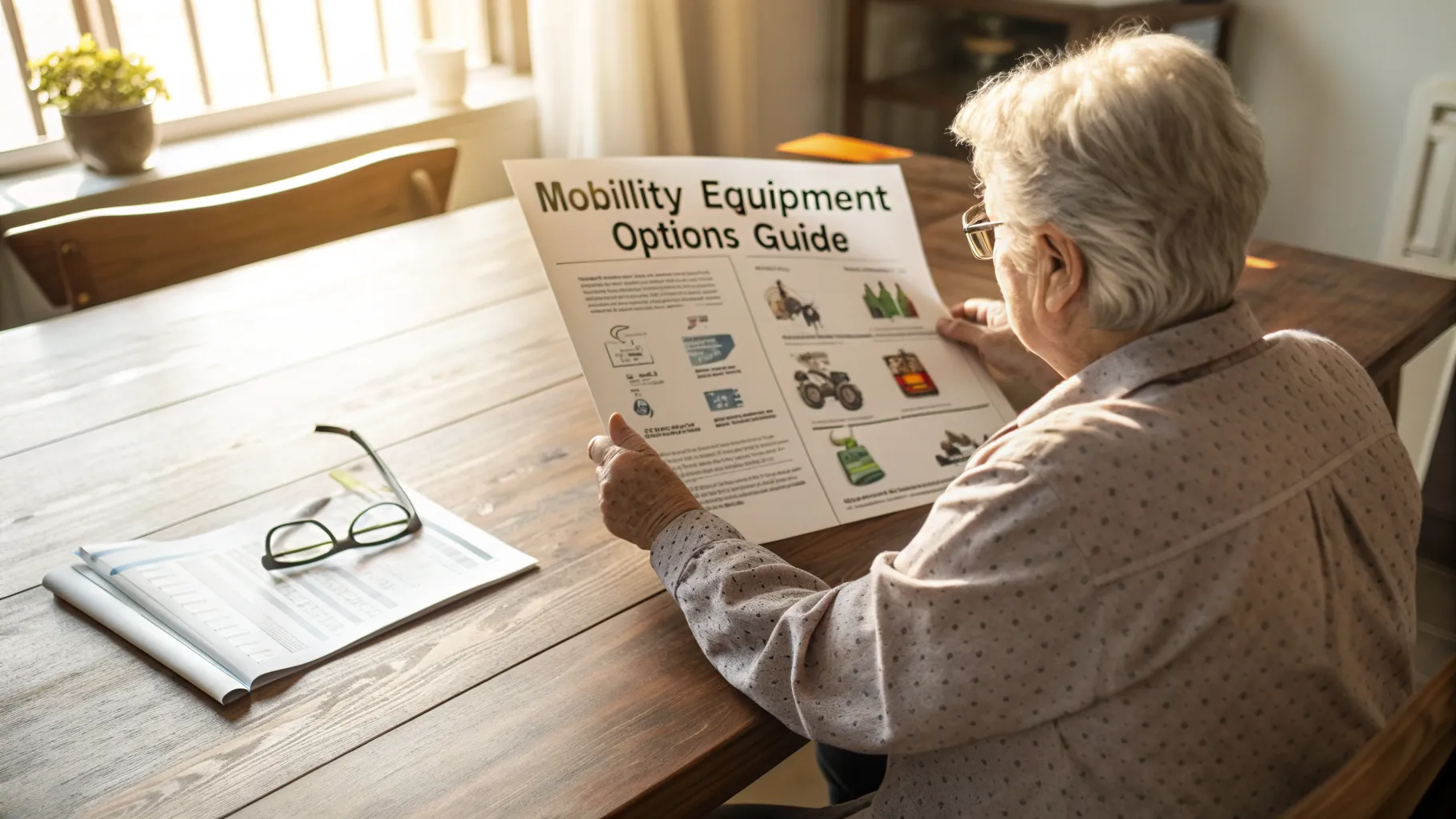
Understanding how to secure mobility assistance through Medicare can feel like a complex journey, but it's a critical one for maintaining independence and quality of life. This comprehensive guide is designed to clarify the process for obtaining medicare approved power wheelchairs and scooters. We will delve into the specific requirements, coverage details, and the essential differences between various devices. For many, these mobility aids are not just a convenience but a necessity for daily living. This article serves as an informative guide to mobility equipment options, helping you navigate the system with confidence and ensuring you understand all the crucial steps, from the initial doctor's assessment to finding a reputable supplier. Our goal is to demystify the process and empower you with the knowledge needed to access the equipment you deserve.
Understanding Durable Medical Equipment (DME) and Medicare Parameters
Before diving into the specifics of wheelchairs and scooters, it's essential to grasp the concept of Durable Medical Equipment, or DME. Medicare Part B covers DME when it's deemed medically necessary to help you function in your home. This category includes power mobility devices (PMDs) like power wheelchairs and scooters. However, not every device is covered. The core of the approval process hinges on understanding durable medical asset parameters set by Medicare. To qualify, your doctor must document in your medical record that you have a medical condition that severely limits your mobility for tasks within your home, such as getting to the bathroom, kitchen, or bedroom. It's not enough to need it for outdoor activities; the primary need must be inside the home. This documentation is the foundation upon which your claim is built, and it directly influences the motorized wheelchair funding rules applied to your case.
Power Wheelchairs vs. Electric Scooters: Which Is Right for You?
Choosing between a power wheelchair and a scooter is a significant decision that depends on your specific medical needs, physical capabilities, and home environment. Medicare approved power wheelchairs are typically prescribed for individuals who lack the upper body strength or postural stability to operate a scooter's tiller steering system or to sit upright safely without support. They are often more maneuverable indoors. In contrast, electric mobility scooters seniors are generally for those who can walk but have difficulty with longer distances. A key factor in Medicare's decision is your ability to safely transfer on and off the device. The informative guide to mobility equipment options provided by your physician and physical therapist will be instrumental in determining the most appropriate choice. They will assess your strength, posture, and the layout of your home to recommend the device that best meets the strict medical necessity criteria.
The Medicare Approval Process: A Step-by-Step Guide
Securing a Medicare-covered mobility device involves a structured process that must be followed precisely. Adhering to these motorized wheelchair funding rules is non-negotiable for a successful claim. Here is a breakdown of the typical steps involved:
- Face-to-Face Examination: The process begins with a mandatory in-person visit with your treating physician. The primary purpose of this visit must be to evaluate your mobility needs. Your doctor must write a detailed prescription and supporting medical documentation.
- DME Supplier Selection: You must choose a supplier that is enrolled with and accepts Medicare assignment. This ensures they will not charge you more than the Medicare-approved amount. The supplier will work with your doctor to gather all necessary paperwork.
- Submission of Prior Authorization: For most power wheelchairs, the DME supplier must submit a prior authorization request to Medicare before you can receive the equipment. This step confirms that the device meets all of Medicare's coverage rules.
- Delivery and Setup: Once approved, the supplier will deliver and set up your device. They must also provide comprehensive training on how to use it safely within your home.
Key Features in Medicare-Approved Mobility Equipment
When you begin exploring medicare approved power wheelchairs and scooters, you'll find a wide range of features. Medicare will only cover the most basic model that meets your medical needs. Any upgrades or additional features considered 'for convenience' will likely be an out-of-pocket expense. Important features to consider within the basic framework include battery range, turning radius (especially for indoor use), seat size and comfort, and overall durability. Understanding durable medical asset parameters means recognizing that Medicare's focus is on restoring essential in-home mobility, not on providing all-terrain or luxury models. Your healthcare provider's evaluation will specify the necessary features, making it a critical part of your informative guide to mobility equipment options.
Common Reasons for Denial and How to Appeal
Unfortunately, not all claims are approved on the first submission. A common reason for denial is insufficient medical documentation. If the notes from your doctor's visit do not clearly and thoroughly justify the need for the device within the home, Medicare will likely deny the claim. Another issue can be a failure to follow the motorized wheelchair funding rules, such as not having the required face-to-face examination. If your claim is denied, you have the right to appeal. The process involves several levels, starting with a redetermination from the company that handles Medicare claims in your state. It is crucial to work with your doctor and DME supplier to provide additional information that directly addresses the reason for the denial, strengthening your case for medical necessity.
Frequently Asked Questions
What is the first step to getting medicare approved power wheelchairs?
The absolute first step is to schedule a face-to-face appointment with your doctor specifically to discuss your mobility limitations. Your doctor must document the medical necessity in your records and provide you with a prescription before you can proceed with a DME supplier.
Do motorized wheelchair funding rules cover equipment repairs?
Yes, Medicare Part B generally covers repairs for DME, including power wheelchairs and scooters. You will typically pay 20% of the Medicare-approved amount for repairs after you've met your Part B deductible. The repairs must be done by a Medicare-approved supplier.
How do I find suppliers for electric mobility scooters seniors that accept Medicare?
You can find official Medicare-approved suppliers by using the 'Find medical equipment & suppliers' tool on the official Medicare.gov website. It is crucial to use a supplier that accepts Medicare assignment to avoid unexpected high costs.
References
- The Official U.S. Government Site for Medicare
- National Institute on Aging - Mobility Resources
- Durable Medical Equipment (DME) Center Guidelines
- American Association for Retired Persons (AARP) Health Guides
Authored by FreshLifeWire team