Guide to Hospital Receptionist Jobs
Understanding the Role of a Hospital Receptionist
In 2025, the role of a hospital receptionist remains critical in healthcare settings. Receptionists are often the first point of contact for patients and visitors, ensuring smooth operations within medical facilities. Their responsibilities extend beyond answering phone calls or scheduling appointments. They manage patient flow, maintain records, and assist in ensuring that front-office operations run smoothly. Importantly, they act as a liaison between patients and medical staff, providing crucial support and information.
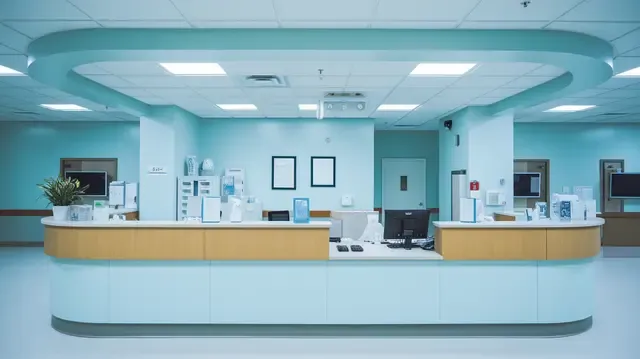
Receptionists are required to have excellent communication skills since they interact with diverse people daily. Moreover, they must handle stressful situations with grace and maintain a compassionate demeanor, which is vital when dealing with upset or anxious patients. In 2025, being tech-savvy is non-negotiable since most hospitals use advanced software for appointments and records.
Skills and Qualifications Needed
The expanding role of hospital receptionists in 2025 demands a unique combination of skills. Communication remains paramount. Daily, receptionists engage with patients face-to-face, on the phone, or via digital platforms. Strong interpersonal skills help manage patient expectations and foster positive interactions.
Administrative skills, including proficiency in scheduling systems, data entry, and records management, are crucial. With the increasing use of electronic health records (EHR), having a solid grasp of these systems is advantageous. According to a recent report by Healthcare Innovations (March 2025), 87% of hospitals in the US use digitized health records, making it essential for receptionists to be adept in using these systems.
Multitasking abilities are equally essential because the environment can be hectic. Receptionists often juggle multiple tasks like managing the front desk, coordinating with departments, and ensuring that appointments are running on time. Flexibility and problem-solving skills aid in navigating these daily challenges effectively.
Training and Career Growth
Most hospital receptionists have a high school diploma as a minimum requirement, but additional certifications can enhance job prospects. Programs offering medical office administration or health services administration provide a solid foundation and open doors for career advancement. These courses often cover medical terminology, insurance procedures, and office technology, equipping receptionists with the skills necessary to thrive.
Career growth for receptionists in hospital settings is promising. They can progress to supervisory roles or specialize in healthcare administration. Some may transition into other health sector roles, like medical billing, coding or move into nursing or healthcare management by pursuing further education.
The Workplace Environment
A hospital receptionist’s work environment is dynamic and often fast-paced. Typically employed in hospitals, clinics, or large medical practices, the role demands a high level of organization and attention to detail. In 2025, the integration of technology in healthcare has necessitated comfort with technology among receptionists. This tech-forward environment means embracing digital tools to improve service efficiency and patient care.
Recent studies indicate a positive trend in patient satisfaction linked to effective communication by front office staff. According to the January 2025 Health Services Survey, facilities with trained receptionists reported a 15% higher patient satisfaction rating than those without adequate training. Hence, hospitals focus on continuous training programs to enhance receptionist skills and improve patient interactions.
The role affects patient experiences and perceptions, highlighting the importance of maintaining a welcoming and professional attitude. Receptionists serve as ambassadors for the healthcare system, exemplifying the standard and quality of care provided by the facility.
Benefits and Opportunities
Working as a hospital receptionist brings several advantages, including job stability, career advancement opportunities, and a sense of contributing to community health. Competitive salaries coupled with benefits like healthcare, vacation days, and sometimes tuition reimbursement make this career path appealing. In 2025, the demand for skilled receptionists continues to grow, driven by an increasing patient base and technological advances in health services.
Ultimately, this career is ideal for individuals seeking a people-centered role in healthcare with opportunities for growth and development.
Authored by FreshLifeWire team