The Ultimate Guide to Creams for Psoriasis: A Topical Treatment Overview
Facts:
- Psoriasis affects over 125 million people globally.
- Topical treatments are the first-line defense for mild to moderate psoriasis.
Navigating Your Topical Treatment Overview for Psoriasis
Finding the right cream for psoriasis can feel overwhelming, but understanding the available options is the first step toward effective relief. This comprehensive guide provides a detailed topical treatment overview, exploring the different psoriasis cream types and the key ingredients that help soothe skin and reduce inflammation. Whether you are newly diagnosed or looking for better ways of managing flare ups, mastering the fundamentals of psoriasis care is crucial for long-term skin health.
Understanding the Main Psoriasis Cream Types
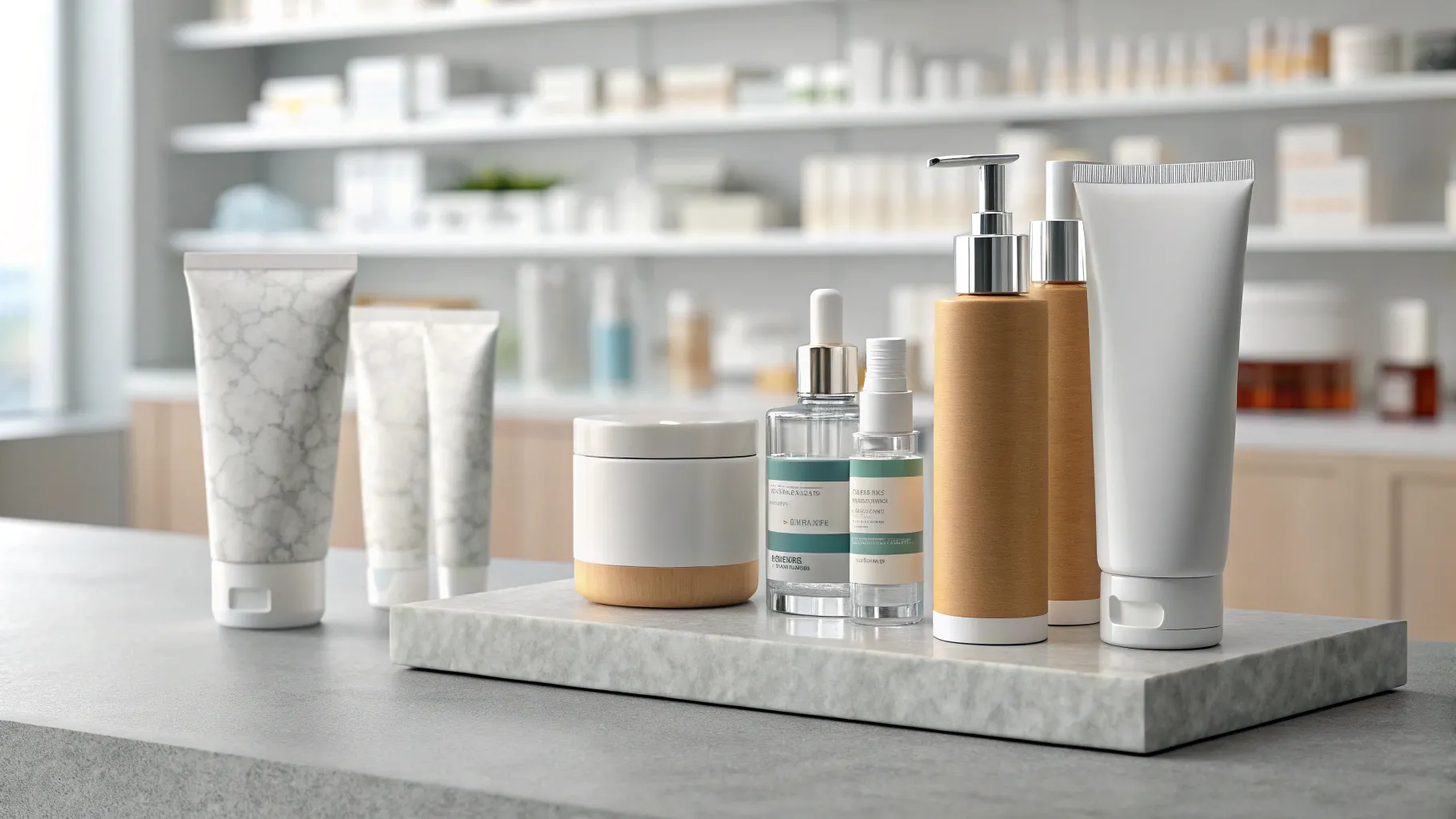
The landscape of psoriasis creams is vast, with options ranging from over-the-counter moisturizers to potent prescription medications. Each category serves a specific purpose in controlling symptoms like scaling, itching, and inflammation. A thorough topical treatment overview reveals that the most effective approach often involves a combination of these treatments, tailored to the individual's severity and location of psoriasis. Understanding the primary psoriasis cream types is essential for having an informed discussion with your healthcare provider to create a personalized treatment plan.
Corticosteroids
Topical corticosteroids are often the first line of defense prescribed for psoriasis. They work by reducing inflammation, suppressing the immune system's overactivity in the skin, and slowing down the rapid growth of skin cells. They come in various strengths, from mild (like hydrocortisone) to very potent (like clobetasol propionate), and the choice depends on the severity and location of the psoriasis patches. Consistent use is key, but it's also important to follow a dermatologist's guidance to avoid potential side effects like skin thinning.
Vitamin D Analogues
These synthetic forms of vitamin D, such as calcipotriene and calcitriol, are highly effective in slowing down the proliferation of skin cells. They are a cornerstone of many treatment plans and are often combined with corticosteroids to enhance efficacy and reduce the potential for steroid side effects. This is a crucial part of any topical treatment overview for long-term management.
Calcineurin Inhibitors
Tacrolimus and pimecrolimus are calcineurin inhibitors. Unlike steroids, they do not cause skin thinning, making them an excellent choice for sensitive areas like the face, groin, or skin folds. They work by targeting the immune system to reduce inflammation and plaque buildup, offering a valuable alternative for managing flare ups in delicate areas.
Salicylic Acid and Coal Tar
These are older, yet still effective, over-the-counter options. Salicylic acid helps to lift and remove scales, allowing other medications to penetrate the skin more effectively. Coal tar can slow the rapid growth of skin cells and reduce inflammation and scaling. While their distinct odor and potential to stain fabric can be a drawback, they remain important tools in the arsenal of psoriasis cream types.
A Closer Look at Key Ingredient Categories
Beyond the active medications, the overall formulation and supporting ingredients play a massive role in efficacy and skin comfort. Examining the ingredient categories helps you choose products that not only treat but also hydrate and protect the skin barrier. Look for ingredients like ceramides, which help restore the skin's natural barrier; hyaluronic acid for hydration; and urea for its dual-action of moisturizing and exfoliating. Avoiding fragrances, dyes, and harsh alcohols is also a critical strategy for managing flare ups and preventing further irritation.
Mastering Application Basics for Maximum Efficacy
How you apply your treatment is just as important as which treatment you use. Proper application basics ensure that the active ingredients are absorbed effectively and that you get the most benefit from your regimen. Simply slathering cream on is not enough; a methodical approach yields far better results and is a key component of a successful topical treatment overview. Adhering to these principles can significantly impact your ability to control symptoms and reduce the frequency of flare-ups.
- Start with Clean, Dry Skin: Gently wash the affected area with a mild, fragrance-free cleanser and pat it dry before application. This removes scales and allows the cream to penetrate more effectively.
- Apply a Thin, Even Layer: Use just enough cream to cover the affected area in a thin layer. Applying too much doesn't increase effectiveness and can lead to waste and potential side effects. Gently rub it in until it's absorbed.
- Follow the Prescribed Frequency: Adhere strictly to your dermatologist's instructions. Overusing potent creams can lead to adverse effects, while underusing them will compromise results. Consistency is paramount.
- Consider Occlusion Carefully: In some cases, a doctor might recommend covering the area with plastic wrap after application to increase absorption. However, this should only be done under strict medical supervision as it significantly increases the medication's potency.
Proactive Strategies for Managing Flare Ups
A comprehensive approach to psoriasis goes beyond just applying creams. Actively managing flare ups involves identifying and avoiding personal triggers, which can include stress, skin injury, certain medications, and infections. Integrating stress-management techniques like meditation or exercise, protecting your skin from injury, and maintaining a healthy lifestyle can dramatically reduce the frequency and severity of flare-ups. This proactive stance, combined with a consistent topical treatment plan, empowers you to take control of your condition rather than just reacting to it.
Frequently Asked Questions
How often should I apply psoriasis cream?
The frequency of application depends entirely on the specific cream and your doctor's prescription. Some potent steroids may be used once daily, while emollients can be applied multiple times a day. Always follow the application basics provided by your healthcare professional to ensure safety and effectiveness.
What are the most common ingredient categories in psoriasis treatments?
The most common ingredient categories include corticosteroids for inflammation, vitamin D analogues to slow skin cell growth, calcineurin inhibitors for sensitive areas, and keratolytics like salicylic acid to remove scale. Emollients and moisturizers with ceramides and hyaluronic acid are also crucial for barrier support.
Can lifestyle changes help in managing flare ups alongside creams?
Absolutely. Lifestyle modifications are a critical part of managing flare ups. Identifying and avoiding triggers like stress, alcohol, and smoking, as well as maintaining a healthy diet and weight, can significantly improve your skin and enhance the effectiveness of any topical treatment overview plan.
References
- National Psoriasis Foundation Guidelines
- American Academy of Dermatology (AAD) Psoriasis Clinical Guidelines
- Journal of Dermatological Treatment
- The New England Journal of Medicine - Psoriasis Reviews
Authored by FreshLifeWire team