A Guide to Choosing the Right Snow Chains for Your Vehicle
A Guide to Choosing the Right Snow Chains for Your Vehicle
As winter rolls in, the necessity for snow chains becomes strikingly clear for many vehicle owners. Whether you're an adventurous soul hitting the snowy slopes, or you simply need to navigate icy roads in your daily commute, selecting the right snow chains for your car is crucial. Not only do they enhance traction, but they also ensure safety during winter's worst weather. Let’s dive into the essentials of choosing the right snow chains for your vehicle.
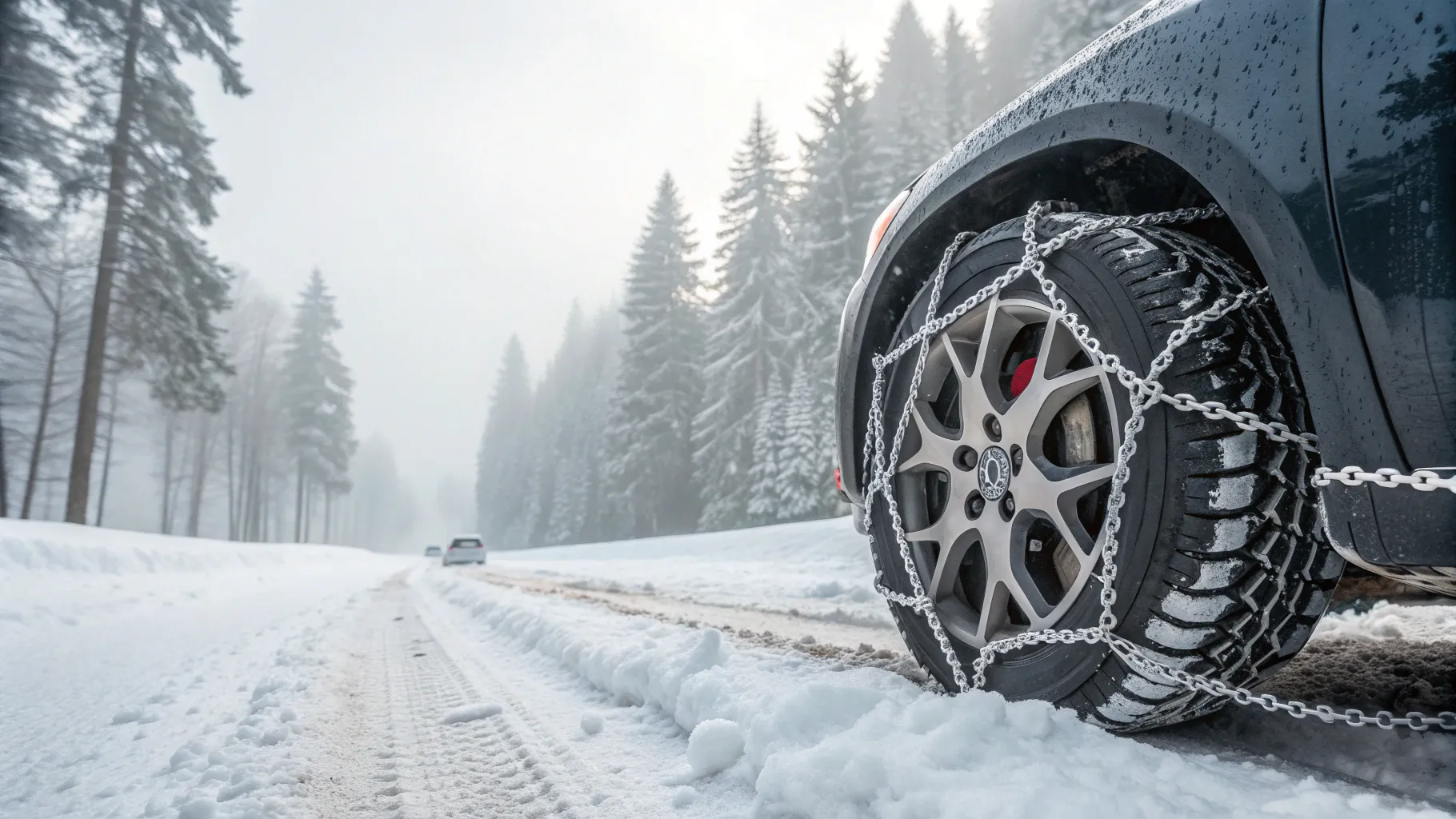
How to Select Snow Chains for Your Car
Choosing snow chains can initially seem daunting, especially with so many options available in the market. The first step in a guide to choosing the right snow chains begins with understanding your vehicle's requirements. Here’s how you can streamline your selection:
- Know Your Vehicle: Refer to your vehicle’s owner manual to find specific recommendations regarding snow chain sizes and compatibility. This will save you a lot of hassle and ensure maximum effectiveness.
- Select the Right Type: There are several types of snow chains designed for various driving conditions. For example, cable chains are light and great for compact vehicles, while heavy-duty chains are suitable for trucks and SUVs.
- Consider the Driving Conditions: Not all snow chains perform alike. If you often drive through deep snow or rugged terrain, opt for a more robust option. Conversely, if you're mainly driving on cleared roads, a lighter chain might suffice.
Types of Snow Chains Explained
Understanding the types of snow chains available can aid greatly in making your selection. Here’s a breakdown of the common styles:
- Link Chains: These traditional chains are effective on icy roads and are constructed from metal links. They're particularly effective for heavy snowfall.
- Cable Chains: Lighter and easier to handle than link chains, cable chains are less durable but are affordable and perfect for occasional use.
- Automatic Chains: For those who want to avoid the hassle of manual installation, automatic chains enable drivers to deploy chains at the touch of a button.
- Snow Socks: An alternative to traditional chains, these fabric covers provide grip in snow but may not be as effective on ice. They are easy to store and install, making them a popular choice among some drivers.
The snow chain market has seen growth, with estimates indicating a 10% increase in sales from last winter's 2024 figures. This boom can be attributed to rising awareness regarding vehicle safety on winter roads.
Snow Chain Sizes and Compatibility
Understanding snow chain sizes and compatibility is vital. Snow chains come in various sizes, and using incompatible chains can lead to damage or reduced performance. When measuring for chains, take note of your tire size, usually displayed on the sidewall of the tire with a format like "P225/75R16". Once you have your tire size, it’s easy to find compatible chains. Most manufacturers provide guides to match chain sizes with tire specifications. Always check the guide to ensure a perfect fit, as poorly fitting chains can cause accidents or injuries.
In the last six months, the snow chain industry has evolved, introducing more innovative sizing guides. With tools available through apps or websites, drivers can find appropriate chains more rapidly while shopping online. This advancement is noteworthy since it reduces the potential for errors significantly.
Installing Snow Chains Safely
Now that you have the perfect set of chains, the next step is to install them safely. Here’s a quick guide to doing it right:
- Practice in Dry Conditions: Before the snow hits, practice installing the chains in a controlled environment to become familiar with the process.
- Ensure Clean Tires: Before placing the chains, ensure that your tires are free of ice and snow to guarantee a snug fit.
- Follow Instructions: Each chain set may have unique installation instructions, so follow the manufacturer’s guidance.
- Check Tension: After installing, ensure the chains are properly tensioned. Most chains have mechanisms for adjustment during the installation process.
Notably, it’s important to only drive at the recommended speeds while using snow chains. Most manufacturers recommend not exceeding 30 mph (48 km/h) to prevent damage to the chains and tires.
Snow Chain Prices 2025
Budget is often a key consideration when selecting snow chains. As of 2025, prices vary widely depending on the type and brand. Expect to pay anywhere from $50 for basic cable chains to over $300 for high-end automatic models. This upcoming winter, discounts and sales are becoming more prevalent, so keeping an eye out for deals could lead to significant savings.
Best Snow Chains for Winter Driving
Recently, several snow chain brands have gained popularity amongst winter drivers. Here are some top contenders for the best performance:
- Peerless Auto-Trac: Known for its self-tightening system, making installation easy.
- Konig XG-12 Pro: Offers excellent traction and is durable against wear.
- Thule K-Summit: Designed for larger tires, provides superior grip without damaging wheel rims.
With so many options at your disposal, it’s essential to evaluate your needs based on your driving habits. Customer reviews over the last seasonal shifts highlight notable performance improvements with these brands, especially in severe weather conditions.
Maintenance Tips for Snow Chains
Taking care of your snow chains can extend their lifespan significantly, ensuring you stay safe adventure after adventure. Here are essential maintenance tips:
- Clean After Use: Remove any snow, ice, or dirt after using them. This helps prevent rust and damage.
- Store Properly: Store chains in a cool, dry place. Avoid leaving them in the trunk during warmer months.
- Check Regularly: Examine chains for wear and tear before each winter season, replacing them when necessary.
By following these tips and selecting the right snow chains based on your needs, you’ll ensure safe driving throughout the winter months ahead.
Authored by FreshLifeWire team