Your Ultimate Guide to Buying Surplus Military Trailers in 2025
Surplus military trailers offer incredible durability and value, making them a popular choice for civilians seeking heavy-duty hauling solutions. Built to withstand extreme conditions, these trailers are perfect for everything from off-road adventures to demanding work projects. As we head into 2026, understanding the market is key. This guide provides essential information for anyone considering a purchase in December 2025.
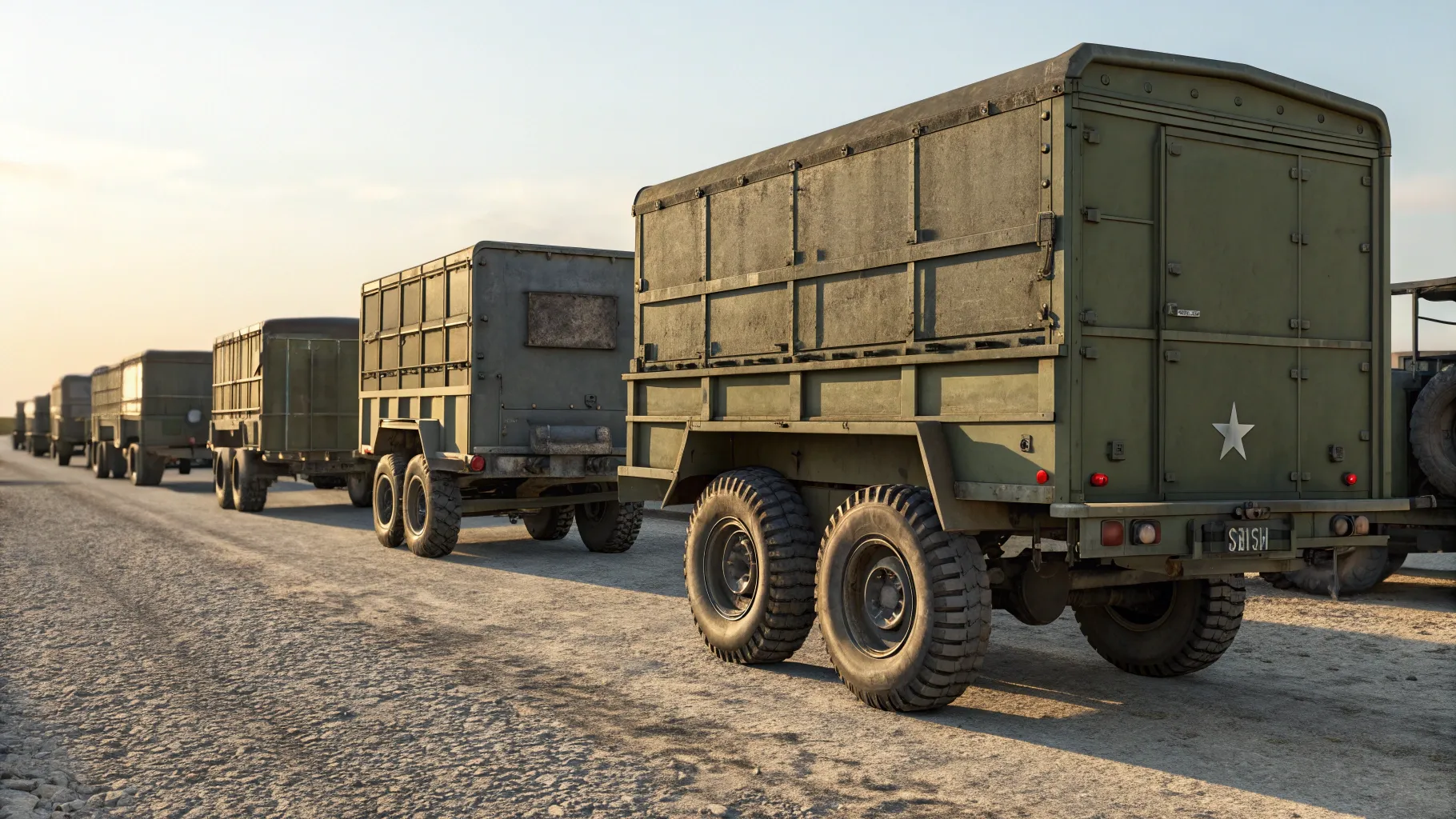
Common Trailer Types You'll Find for Sale
When you start searching for a military surplus trailer, you'll encounter a few recurring models, each designed for specific purposes. Knowing the differences is the first step to finding the right fit for your needs.
M101 and M416 Cargo Trailers
These are perhaps the most iconic light-duty military trailers. Often called 'Jeep trailers,' they are perfect for off-road enthusiasts. Their simple, rugged construction makes them easy to modify for camping or general utility use.
M1101 and M1102 Cargo Trailers
Designed to be towed by HMMWVs (Humvees), the M1101 and M1102 are the modern successors to the M101. They are significantly larger, made of lightweight aluminum, and feature a robust independent suspension system, making them highly capable both on and off-road.
Flatbed and Specialty Trailers
For heavier tasks, you'll find various flatbed trailers, generator trailers, and water tank trailers (often called 'water buffalos'). These are built for specific, heavy-duty applications and require a more capable tow vehicle.
Understanding Load Capacity Details
Military trailers are rated for extreme off-road conditions, so their on-road payload is often much higher than their official designation suggests. However, it's crucial to understand the official numbers.
- Gross Vehicle Weight Rating (GVWR): This is the maximum total weight of the trailer and its cargo. Always check the data plate on the trailer for this information.
- Payload Capacity: This is the GVWR minus the trailer's empty weight (curb weight). For example, an M1101 has an off-road payload of around 1,900 lbs, but its on-road capacity is significantly more.
- Axle Ratings: Military trailers often have over-engineered axles. The load capacity details are critical for ensuring you don't overload the frame, tires, or suspension, even if the axle can handle more.
Towing Requirements: Is Your Vehicle Ready?
Before you bid, confirm your vehicle can handle the trailer. Military trailers have unique towing requirements that differ from standard civilian trailers.
- Hitch Type: Most military trailers use a pintle hook and lunette ring system instead of a ball hitch. This is a more robust connection designed for rough terrain. You will likely need to install a pintle hook on your tow vehicle.
- Vehicle Tow Capacity: Ensure your truck or SUV's tow rating exceeds the trailer's GVWR.
- Electrical System: Military vehicles use a 24-volt electrical system. Most civilian vehicles use a 12-volt system. You will need a 24V to 12V converter to make the trailer's lights work with your vehicle.
Smart Auction Buying Tips for Success
Most surplus military trailers are sold through government liquidation auctions, like those on GovPlanet. Following these auction buying tips can save you time and money.
Inspect Before You Bid: If possible, inspect the trailer in person. Look for rust, frame damage, tire condition, and completeness. If you can't inspect it yourself, scrutinize the photos and inspection report provided by the auction site.
Factor in Extra Costs: Your winning bid is not the final price. Remember to budget for the buyer's premium, sales tax, transportation costs, and potential repairs. Tires, lights, and wiring often need immediate attention.
Understand the Paperwork: The most crucial document is the SF-97 (Standard Form 97), 'The United States Government Certificate to Obtain Title to a Vehicle.' This is what you'll use to get a civilian title.
Registration and Road Legality Information for 2025
Navigating the final step—making your trailer street legal—can be challenging but is entirely achievable. The process for registration and road legality information can vary by state, but the general steps are similar.
First, you will use the SF-97 provided by the auction house to apply for a title at your local DMV. Some states may require a VIN inspection to verify the trailer's identity. You must also ensure the trailer meets all Department of Transportation (DOT) requirements for your state, which typically includes:
- Properly functioning brake lights, turn signals, and running lights (converted to 12V).
- DOT-approved tires.
- Reflective tape and possibly mud flaps, depending on local laws.
As of December 2025, it's always best to contact your state's DMV directly to get a clear checklist of requirements before you begin the process.
References:
www.govplanet.com/resource-center
www.steelsoldiers.com/forums
www.dmv.gov/trailers/registration
Authored by FreshLifeWire team