Guide to Buying Restoring and Installing Second Hand Doors
Guide to Second Hand Doors
When it comes to home renovation or improvement, finding unique materials at budget-friendly prices is a trend that continues to gain traction. One of the significant aspects of this is the world of second hand doors. This guide explores everything you need to know about buying, restoring, and installing second hand doors, helping you make informed choices that complement your style and budget.
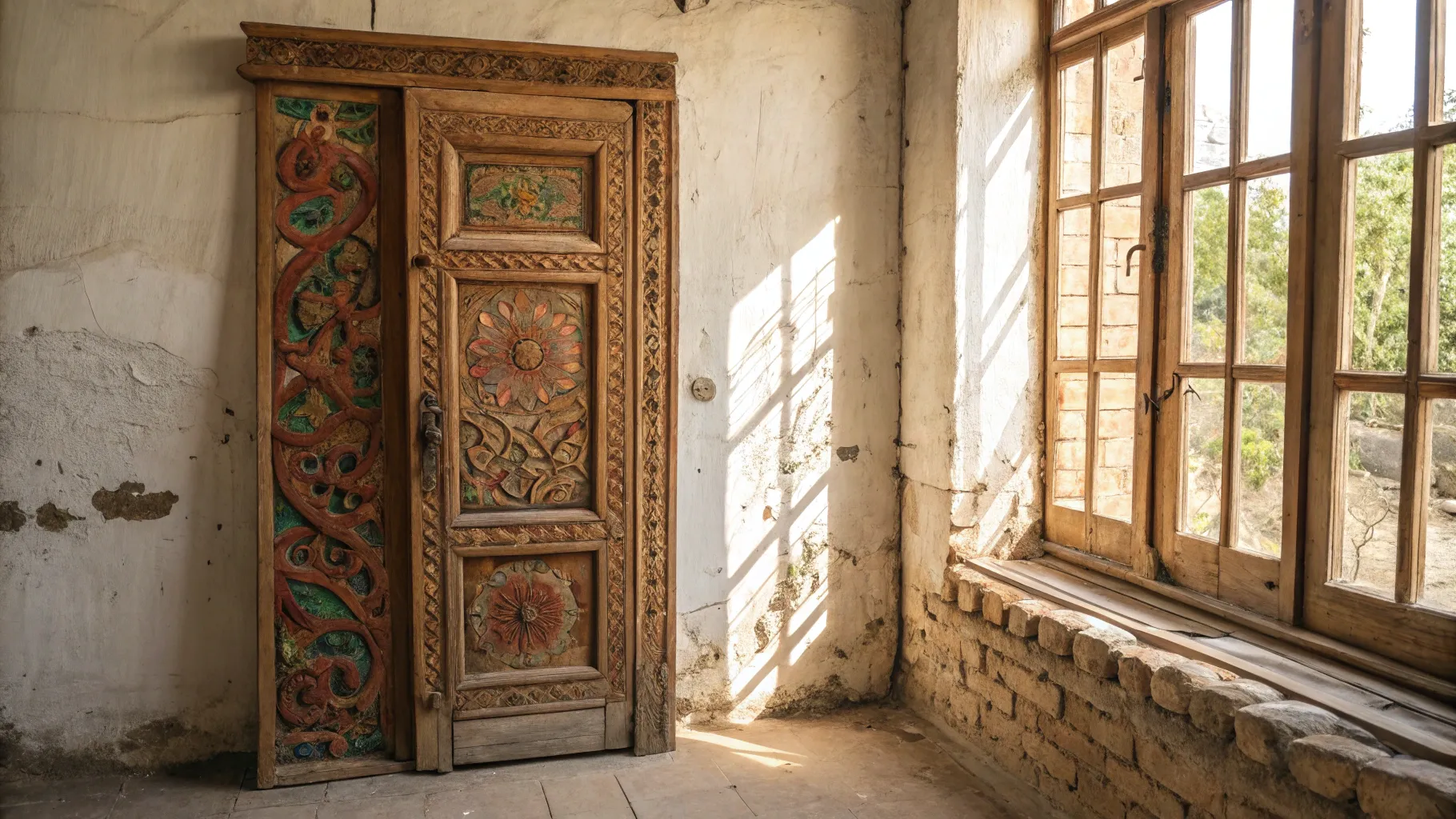
Why Choose Second Hand Doors
Purchasing second hand doors not only saves you a considerable amount of money compared to new doors but also contributes to sustainability by reducing waste. Here are some reasons to consider:
- Cost-Effective: Second hand doors are generally much cheaper than new models. For example, the average cost for a pre-owned wooden door can be around 20-60% less than a new one.
- Unique Designs: Vintage or antique doors can add a distinctive style to your home that modern doors simply cannot replicate. Think about finding a beautiful reclaimed barn door or a Victorian panel door.
- Eco-Friendly: By opting for second hand doors, you help reduce the demand for new materials, which often require significant energy and resources to produce.
- Character: Every second hand door comes with a history and story, which can add a unique charm to your property.
How to Find Quality Second Hand Doors
Finding quality second hand doors involves some research and an understanding of where to look. Here are several suggestions to help you in your journey:
1. Local Salvage Yards
Salvage yards are treasure troves for those looking for used building materials, including doors. Often, you can find high-quality options at a fraction of the retail price. For instance, the average price of a salvage door in a yard could range from $50 to $200.
2. Online Marketplaces
Websites like Craigslist, Facebook Marketplace, and eBay frequently list second hand doors. Many sellers from the last six months have reported selling unique doors for as low as $30. Always check user ratings and request additional photos before making a purchase.
3. Thrift Stores and Charity Shops
Local charities often have thrift stores that include building materials. These establishments not only support good causes but also often have hidden gems. Expect to see prices as low as $20 for a door in decent condition.
4. Renovation Flea Markets
Events directed specifically at salvaged and repurposed building materials have grown popular. These markets may feature vendors selling various types of second hand doors. It is wise to visit early to score the best finds!
Inspecting Second Hand Doors Before Purchase
Purchasing second hand doors requires careful inspection to ensure quality and usability. Here’s a quick checklist to guide you:
- Look for Damage: Check for significant cracks, water damage, or rot, especially if you’re buying wooden doors.
- Measure Dimensions: Ensure the door fits your intended opening aligns with your architectural decor.
- Hardware Check: Confirm that the door includes hinges, doorknobs, or locks, or consider how easy it is to install new hardware.
- Surface Condition: Determine if the door will require extensive restoration or refinishing work. This will influence your overall cost.
Restoring Second Hand Doors
Once you have your second hand door, restoring it can be a fulfilling DIY project. Here are some steps to consider:
1. Cleaning
Start by removing any dirt and grime using wood cleaner and a soft cloth. For stubborn areas, a gentle scrubbing with warm, soapy water may be necessary.
2. Repairing Damages
If you find any scratches or dents, fill them with wood fillers. Wait for it to dry before sanding it smooth to match the surrounding areas.
3. Painting or Staining
Choosing a paint or stain color can transform the door entirely. This is where you can let your creativity shine. If you want to keep the rustic look, consider applying a clear finish instead.
4. Hardware Replacement
Inspect the old hardware for wear and rust. Replace worn screws, hinges, and knobs or locks for safety and functionality. Hardware shops often offer a wide variety of styles to match your door’s aesthetic.
Installing Your Second Hand Door
Once restored, it's time for installation. Here’s what you need to keep in mind:
- Tools You’ll Need: Generally, you'll need a screwdriver, a hammer, shims, and a level.
- Measure Twice: Before installation, double-check the dimensions of the door with the frame to make adjustments as needed.
- Hanging the Door: Start with the hinges, ensuring they are firmly attached before testing the door’s swing.
- Adjustments: Use shims to make sure the door remains level and secure.
In 2025, utilizing second hand doors not only enhances your home’s aesthetic appeal but also aligns with sustainable practices. With a little effort in cleaning, restoring, and installing, you can integrate striking, eco-conscious additions that reflect your personality and values. Engage with your local community for the best finds, and enjoy the satisfaction of crafting a unique home environment.
Authored by FreshLifeWire team