Guide to Buying Property Steps and Tips for Success
Guide How to Buy Property: Your Ultimate Roadmap
Buying property is often considered one of the most significant investments a person can make. As of now in 2025, many factors influence the property market, and it is essential to navigate this complex landscape with a clear, step-by-step approach. Whether you are a first-time buyer or looking to add to your portfolio, this guide will equip you with the knowledge necessary to make informed decisions, helping you understand not just the steps to buying property but also the various property purchase costs explained.
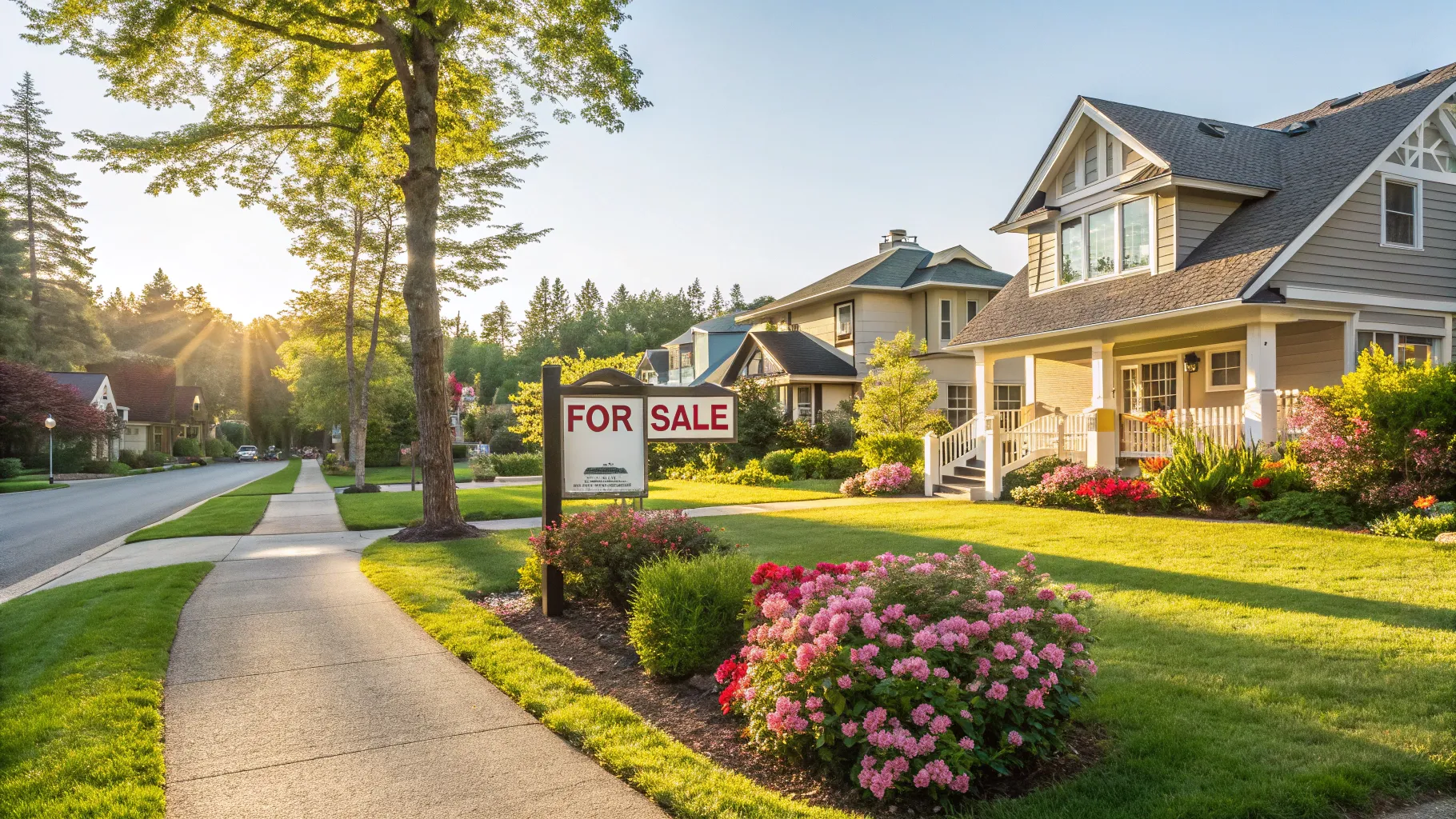
Steps to Buying Property
Understanding how to buy property involves several key steps, each critical in ensuring a successful purchase. Let's delve into these essential steps and how they fit into your property buying journey.
- Step 1: Assess Your Financial Situation
Before diving into property hunting, start by evaluating your finances. Look at your savings, monthly income, and ongoing expenses. Determine how much you can afford to spend on a property without overextending your budget. In early 2025, the average house price in many metropolitan areas has increased significantly, making this assessment even more crucial.
- Step 2: Get Pre-Approved for a Mortgage
Once you have a solid understanding of your financial capabilities, it’s wise to get pre-approved for a mortgage. This process involves lenders assessing your financial history and determining how much they are willing to lend you. Not only does pre-approval show sellers you are a serious buyer, but it also helps narrow your home search to properties within your budget.
- Step 3: Research and Find a Property
With your finances sorted, it’s time to start researching properties. Utilize online platforms, attend open houses, and work with a qualified real estate agent who understands your desires and can guide you through listings and neighborhoods. Current trends show a 15% increase in demand for eco-friendly homes, indicating a shift toward sustainable buying practices.
- Step 4: Make an Offer
Once you've found the perfect property, it's time to make an offer. Research comparable properties in the area to ensure your offer is competitive. A well-structured offer includes the price you're willing to pay, any contingencies, and a timeframe for closing the sale. Remember, negotiation is common, and your flexibility can lead to more favorable terms.
- Step 5: Complete a Home Inspection
A home inspection is essential to uncover potential issues with the property. Hire a certified inspector to examine the property's structural integrity and systems. If significant problems are discovered, you might reconsider your purchase or negotiate repairs with the seller.
- Step 6: Finalize the Purchase
After negotiating and ensuring all conditions are met, it’s time to finalize the transactions. This involves working with a title company, signing the closing documents, and transferring ownership formally.
Property Purchase Costs Explained
Understanding the costs associated with buying property is crucial to avoid financial surprises later. Homebuyers in 2025 must consider various expenses apart from the purchase price.
- Down Payment
The down payment is a percentage of the home's purchase price that you pay upfront. Depending on your mortgage type, this typically ranges from 3% to 20%. For example, if you're purchasing a home valued at $500,000 with a 20% down payment, prepare to set aside $100,000.
- Closing Costs
Usually between 2% to 5% of the home’s purchase price, closing costs cover various fees such as appraisal, title insurance, and attorney fees. In a recent study, the average closing costs for buyers in the U.S. have been reported around $6,500, so make sure to budget accordingly.
- Property Taxes
Property taxes are ongoing costs that vary by location. Understanding your local tax rate can help you anticipate how much you will need to budget each year. These taxes help fund essential community services and can be a significant ongoing expense.
- Homeowner’s Insurance
Protecting your new investment with homeowner’s insurance is key. Insurance costs vary based on location and home value but are generally around $1,000 annually. This protects your property against risks like fire and theft, ensuring peace of mind.
Factors to Consider When Buying Property
Buying a home is not just about the property; it's also about the location and lifestyle it offers. Here are some important factors to keep in mind:
- Neighborhood
Assess whether the neighborhood aligns with your lifestyle. Look for proximity to work, schools, parks, and shopping areas and consider the community vibe.
- Market Trends
Understanding the local market is crucial. In 2025, many areas are experiencing rapid growth, and investing in neighborhoods with projected appreciation can lead to significant returns.
- Future Developments
Research any planned developments that could affect property values, such as new schools, public transportation, or shopping centers. Staying informed can influence your buying decision positively.
In summary, the process of buying property in 2025 requires thoughtful consideration of many factors, including financial preparation, understanding costs, and conducting thorough research. By following this guide, you can navigate the property market confidently, ensuring you make a choice that suits your needs and future aspirations.
Authored by FreshLifeWire team