Power Up: Your Complete 2025 Guide to Buying Military Surplus Generators
As of December 2025, securing a reliable and robust power source is more critical than ever. Military surplus generators represent one of the best value propositions for durability and power, often built to withstand the harshest conditions imaginable. These machines are engineered for longevity, not planned obsolescence. This guide will walk you through the essential steps and considerations for acquiring your own piece of military-grade power independence.
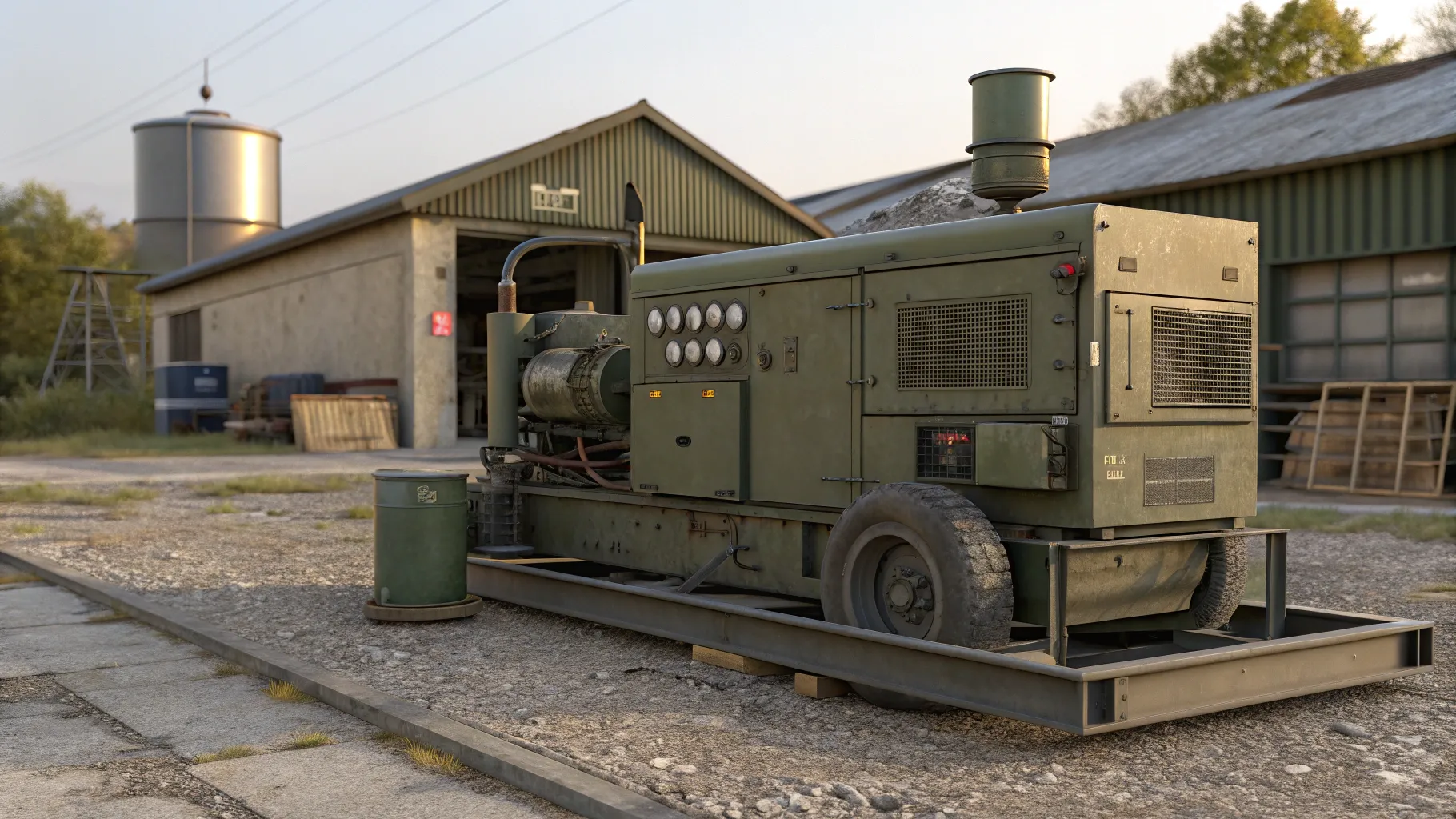
Understanding Generator Types and Power Ratings
Before you even place a bid, you must understand what you're buying. Military generators, often designated with MEP (Mobile Electric Power) numbers, come in a wide array of sizes. It's crucial to assess your needs and match them to the correct unit.
Key Considerations:
- Power Output (kW): Ratings can range from small 3kW units, perfect for a small cabin or workshop, to massive 60kW or 100kW generators capable of powering an entire homestead or commercial operation. Always calculate your total required wattage and add a 20-25% buffer.
- Model Series: The MEP-802A (5kW) and MEP-803A (10kW) are incredibly popular models known for their quiet operation and reliability. Older models like the MEP-002A and MEP-003A are louder but are mechanical workhorses that are simpler to repair.
- Voltage and Phase: Ensure the generator's output (e.g., 120/240V single-phase or 120/208V three-phase) matches your electrical system requirements.
The Great Debate: Diesel vs. Gasoline Units
The choice between fuel types is a significant one with long-term implications. While you may find some smaller gasoline-powered military generators, the vast majority of surplus units are diesel-powered for a reason.
Diesel Generators:
- Pros: Diesel vs gasoline units often have a clear winner in military hardware. Diesel is less flammable, offers better fuel efficiency, and diesel engines are built for higher torque and much longer operational lifespans. Fuel can also be stored safely for longer periods.
- Cons: They are typically heavier, louder (though newer tactical quiet models are exceptions), and can have issues with fuel gelling in extreme cold if not properly treated.
Gasoline Generators:
- Pros: Generally lighter, less expensive upfront, and start more easily in the cold.
- Cons: Gasoline is more volatile, has a shorter shelf life, and the engines typically have a shorter overall service life compared to their diesel counterparts.
Mastering the Purchase: Auction Buying Tips
Most surplus generators are sold through government liquidation sites like GovPlanet. Success requires strategy and careful research. Here are some essential auction buying tips to keep in mind.
Always read the full description. Pay close attention to details like operating hours, any listed faults, and included accessories. Look for videos of the unit running if available. Remember, most sales are "as-is, where-is," meaning what you see is what you get, and you are responsible for pickup. Set a firm budget before bidding starts and factor in the auction premium (buyer's fee) and any applicable taxes.
Essential Maintenance Requirements for Longevity
Your generator's lifespan depends entirely on your commitment to its upkeep. Fortunately, these machines were designed for field serviceability.
Core Maintenance Tasks:
- Fluid and Filters: Regular oil changes, fuel filter replacements, and coolant checks are non-negotiable. Establish a schedule based on the unit's technical manual.
- Sourcing Parts: A key part of maintenance requirements is knowing where to find spares. A thriving community of enthusiasts and dedicated surplus parts suppliers exists online.
- Load Banking: Periodically running the generator under a significant load (at least 50-75% of its capacity) prevents "wet stacking" in diesel engines, a condition where unburned fuel builds up in the exhaust system.
Logistics: Transport and Setup Considerations
You've won the auction; now the real work begins. These units are heavy, and proper transport and setup considerations are critical for safety and functionality.
First, plan your transport. A 10kW generator can weigh over 1,000 pounds. You'll need a heavy-duty trailer and a secure way to load and unload it, often involving a forklift or crane. For setup, choose a stable, level pad, preferably concrete. Ensure there is adequate ventilation and that the exhaust is directed safely away from any buildings or windows. Finally, hiring a qualified electrician to connect the generator to your home or business's transfer switch is highly recommended to ensure it operates safely and correctly.
References:
www.govplanet.com/generators
www.steelsoldiers.com/forums/generators
www.preparednessadvice.com/energy/guides/military-surplus-generators
Authored by FreshLifeWire team