Guide to Indoor Play Tents Safety Size Setup and Accessories
Indoor Play Tents Safety Standards and Materials
When it comes to choosing the perfect indoor play tent for your little ones, safety is paramount. Thanks to stringent regulations and consumer awareness, most play tents today adhere to safety standards established by organizations such as ASTM International and the Consumer Product Safety Commission (CPSC). These standards ensure that the materials used are non-toxic and free from harmful substances, such as phthalates and lead, making them safe for children to play in.
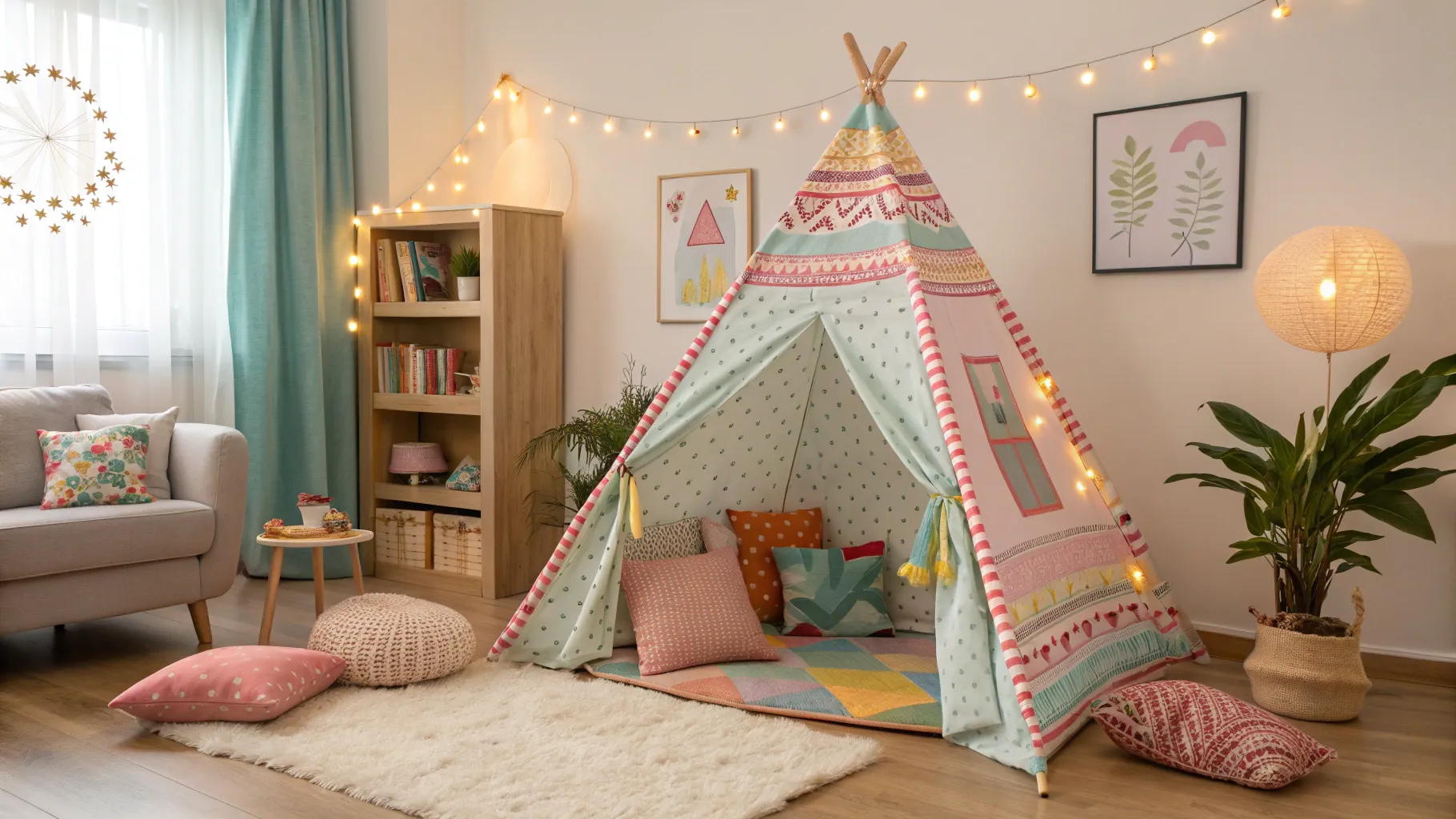
High-quality indoor play tents are often made from durable materials like polyester or canvas, which are both lightweight and easy to clean. Additionally, many tents feature fire-resistant properties, further enhancing their safety profile. Parents can look for tents that have undergone third-party testing to guarantee compliance with safety regulations. Remember to inspect any play tent for small parts that could pose a choking hazard, particularly if you have toddlers in the home.
Size and Age Recommendations for Indoor Play Tents
When selecting a play tent, size and age recommendations are vital factors. Most indoor play tents are designed for children aged three years and up, with ample space to accommodate multiple kids while they play. On average, tents can measure anywhere from 4 to 10 feet in height and width, providing sufficient room for imaginative play without overwhelming your living space.
For example, some popular models, like the Pacific Play Tents Super Duper 4 Kids tent, allow for playdates with friends, comfortably fitting up to four children at a time. This tent measures about 5 x 5 feet, making it an excellent choice for family rooms or play areas. Conversely, smaller tents, such as the Melissa & Doug Foldable Kids Play Tent, are more compact and can snugly fit in bedrooms or smaller play areas.
It's worth considering the layout of your intended space. For instance, a spacious playroom may benefit from a larger tent that can serve as a fort, while an apartment might only have room for a smaller, single-child tent. Additionally, frequently check the manufacturer’s age recommendations to ensure the tent is suitable for your child’s developmental stage.
Setup and Storage Tips for Indoor Play Tents
Setting up an indoor play tent can be an exciting experience for kids and a quick project for parents. Most tents come with easy-to-follow instructions and can be assembled in minutes. Look for tents that feature pop-up designs or easy-assembly construction for a hassle-free setup. Consider placing the tent in a corner of a room or against a wall to maximize play space. If you're utilizing a tent with poles, make sure to secure them properly to avoid collapses during playtime.
Storage is just as important as setup, particularly in homes where space is at a premium. Many parents opt for tents that can be easily dismantled and stored away. Look for models that come with a carrying bag for convenient transport and stowage. Folding the tent neatly after playtime and keeping it in a designated storage area not only helps maintain a tidy home but also ensures that the tent remains in good condition for longer.
Cleaning and Maintenance of Indoor Play Tents
To ensure your indoor play tent remains a safe and fun environment, regular cleaning is essential. Most tents can be wiped down with a damp cloth and mild soap. It's advisable to avoid harsh chemicals that could compromise the fabric or endanger children's health. If the tent features removable components like mats or cushions, wash them regularly as per the manufacturer's instructions.
Spot cleaning any stains immediately after they occur often prevents discoloration and ensures that the tent remains fresh. For deeper cleaning, check if the tent is machine washable—many polyester models are, which makes them easy to clean within common household washing machines. Proper maintenance not only prolongs the life of the tent but also maintains a sanitary space for your child to play.
Accessories and Play Ideas for Indoor Tents
Diversity is key when it comes to play, and accessorizing your indoor play tent can vastly enhance the experience. Parents can easily set the stage for imaginative play by adding accessories such as fairy lights or play mats that suit the tent theme, be it a jungle, castle, or space adventure. Play tents can easily transform into a reading nook by adding soft cushions and a small library of children's books, creating a cozy atmosphere for storytelling time.
Moreover, incorporating themed costumes can further enrich the play experience. For example, if you've got a pirate-themed tent, consider providing pirate hats, eye patches, or even a treasure map to encourage creative pretend play. Alternatively, putting together a craft corner with art supplies can inspire children to unleash their creative sides while continuing to spend quality time in their play tents.
As the popularity of indoor play tents continues to grow in 2025, they have become a staple in many households. With a focus on safety, ease of use, and creative potential, play tents provide a wonderful space for children to explore their imaginations while offering peace of mind to parents. For those looking to invest in a play tent, keeping the information outlined above in mind can make the selection and enjoyment process smooth and rewarding.
Authored by FreshLifeWire team