A Comprehensive Guide to Clinics That Pay for Sperm Donation
Facts:
- Sperm donors undergo extensive medical and genetic screening.
- Rising demand for assisted reproductive technology is a key trend for clinics that pay for sperm donation.
Understanding the Process at Clinics That Pay for Sperm Donation
For many individuals, the decision to become a sperm donor is a combination of altruism and a practical way to earn extra income. Understanding how to donate sperm for money involves more than just finding a location; it requires comprehending the rigorous screening processes, commitment levels, and the typical sperm donation compensation structures. This guide provides an in-depth look into the world of sperm donation, helping potential donors navigate the journey from application to compensation. We will explore what to expect from the leading clinics that pay for sperm donation and demystify the process, ensuring you are well-informed before you begin.
What is the Average Sperm Donation Compensation?
One of the most common questions is about the potential earnings. The sperm bank pay can vary significantly based on several factors, including the clinic's location, the donor's health profile, and the specific needs of the cryobank. Typically, donors are compensated per donation that passes the quality standards. This can range from $70 to $150 per sample. However, it's crucial to understand that this isn't a one-time payment. Most programs require a commitment of one to two donations per week for a period of at least six months to a year. This long-term commitment is what leads to substantial overall sperm donation compensation. Some clinics that pay for sperm donation also offer bonus structures, providing additional payments for consistency or for donors with highly sought-after genetic traits. Therefore, when considering how to donate sperm for money, it's essential to look at the entire payment schedule and commitment requirements, not just the per-donation fee.
The Rigorous Eligibility and Screening Process
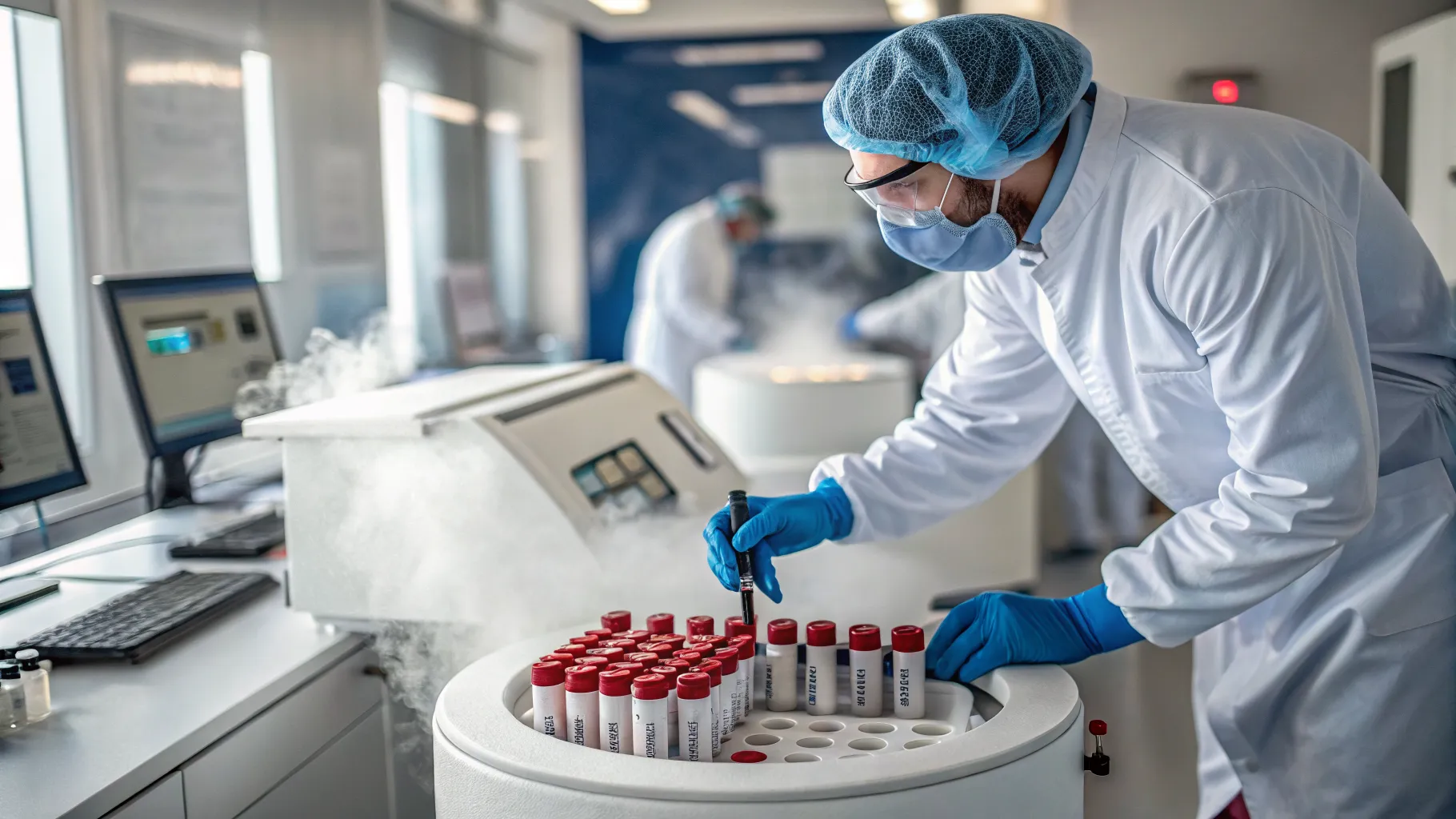
Before any compensation is discussed, potential donors must pass a comprehensive screening process. This is a critical step for all reputable clinics that pay for sperm donation to ensure the health and safety of recipients. The process typically begins with an online application detailing personal and family medical history. If that is accepted, candidates are invited for in-person interviews, semen analysis, and extensive medical testing. This includes blood and urine tests to screen for infectious diseases like HIV and hepatitis, as well as genetic testing for conditions such as cystic fibrosis. This multi-stage process ensures that only healthy, qualified candidates are accepted into a donation program. While it may seem daunting, this thoroughness is what maintains the integrity of the sperm bank pay system and protects all parties involved. Successfully navigating this stage is the true first step in learning how to donate sperm for money.
What to Look For in Reputable Sperm Banks
Choosing the right clinic is paramount. When searching for clinics that pay for sperm donation, it's important to prioritize professionalism, transparency, and ethical standards. A reputable sperm bank will be clear about its entire process, including screening, donation schedule, and the complete sperm donation compensation plan. Look for facilities that are registered with the Food and Drug Administration (FDA) and adhere to guidelines set by the American Society for Reproductive Medicine (ASRM). These organizations set the standard for safety and ethics in the industry. A professional clinic will provide a clean, private, and comfortable environment for donations and will have a supportive staff to guide you through every step. Reading reviews and testimonials can also provide insight into the experience of other donors and help you make an informed decision about where you want to commit your time.
How to Maximize Your Sperm Bank Pay
Once you are accepted into a program, there are several steps you can take to ensure you meet the donation requirements consistently, thereby maximizing your sperm bank pay. Adhering to the clinic's guidelines is key, and this often involves lifestyle recommendations. Here is some actionable advice:
- Maintain a Healthy Lifestyle: Diet and exercise can impact sperm quality. A balanced diet rich in antioxidants, vitamins, and minerals can improve sperm health. Regular, moderate exercise is also beneficial, but you should avoid activities that could overheat the genital area, such as saunas or hot tubs.
- Follow Abstinence Guidelines: Clinics will provide specific instructions on the required period of abstinence before each donation, usually 2-5 days. Adhering to this window is crucial for ensuring optimal sperm count and motility for each sample submitted to the clinics that pay for sperm donation.
- Be Consistent: The most significant factor in your overall sperm donation compensation is consistency. Meeting your weekly or bi-weekly donation appointments for the full term of your contract ensures you receive the full payment and any potential bonuses offered by the program.
- Stay Healthy: Avoid illnesses by maintaining good hygiene and avoiding exposure to sickness when possible. Some illnesses and medications can temporarily affect your eligibility to donate, interrupting your payment schedule.
Comparing Compensation Models: Per Donation vs. Milestones
Different clinics that pay for sperm donation may structure their payment models differently, which can impact your total earnings. The most common model is a flat fee per accepted donation. This is straightforward and provides immediate, regular income. However, another popular model involves a lower base pay per donation combined with larger milestone payments. For example, a clinic might offer a bonus after three months of consistent donations and another, larger bonus upon completion of a six-month or one-year contract. This model incentivizes long-term commitment. When evaluating how to donate sperm for money, it's vital to calculate the potential total earnings under each model. A program with a lower per-donation sperm bank pay but significant bonuses could ultimately be more lucrative if you are confident you can complete the entire contract term.
Frequently Asked Questions
How much do you really get for sperm donation compensation?
The total sperm donation compensation can range from $4,000 to over $10,000 per year, depending on the clinic's pay rate and the frequency of donations. Most donors can expect to earn around $500-$700 per month if they adhere to the required donation schedule of 1-2 times per week.
Are there any risks involved in donating sperm for money?
The medical process is non-invasive and very safe for the donor. The primary 'risk' is the significant time commitment required for screening and regular donations. Emotionally, donors should be comfortable with the idea of having genetic offspring they may never meet. Reputable clinics that pay for sperm donation provide counseling to discuss these implications.
How long does the process take to get accepted at a sperm bank?
The initial screening and approval process can take several weeks to a few months. It involves multiple appointments for semen analysis, blood tests, genetic screening, and interviews. Once accepted, the donation period typically lasts for a minimum of six months.
Does every donation receive sperm bank pay?
No, you are only compensated for donations that meet the clinic's strict criteria for sperm count, motility, and morphology after being thawed. This is a key detail to understand when considering how to donate sperm for money, as not every sample provided will necessarily result in payment.
References
- American Society for Reproductive Medicine (ASRM) Guidelines
- U.S. Food and Drug Administration (FDA) Regulations on HCT/Ps
- Society for Assisted Reproductive Technology (SART) Donor Information
- Clinical Journal of the American Society of Nephrology: Donor Health Studies
Authored by FreshLifeWire team