Guide to Bathroom Wall Panels for Style and Functionality
What are Bathroom Wall Panels
Bathroom wall panels are a contemporary solution for both aesthetics and functionality in bathroom design. Unlike traditional tiles, these panels come in various finishes and materials, catering to diverse tastes and practical needs. They can be made from waterproof materials like PVC, acrylic, or even glass, making them suitable for wet areas while providing a sleek finish that complements modern bathroom aesthetics.
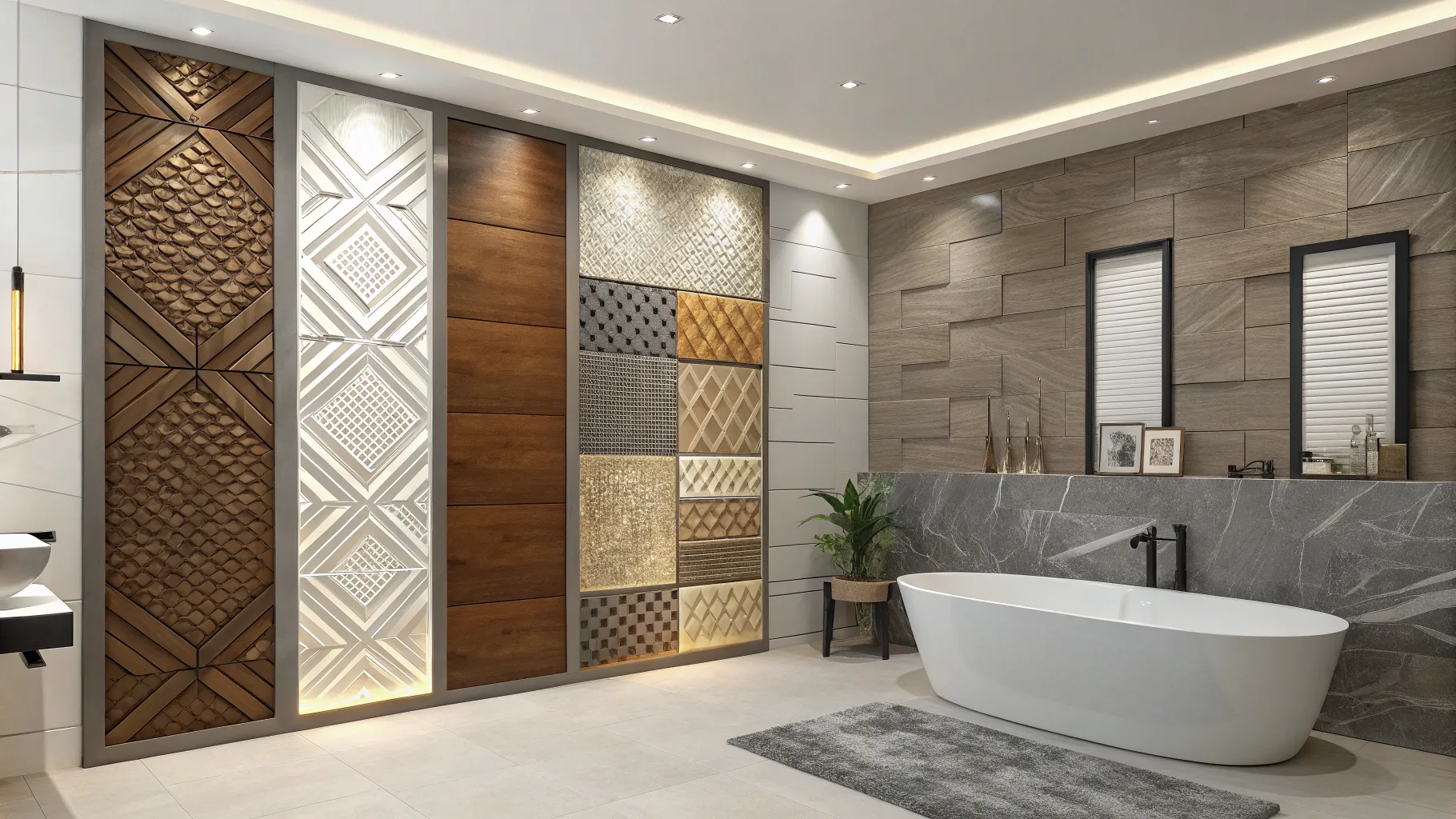
Comparison: Panels vs Tiles
When deciding between bathroom wall panels and tiles, it is essential to consider several factors including installation, maintenance, and style.
- Installation: Panels are typically simpler to install than tiles. Most wall panels can be cut to size and adhered directly to the wall. Many are designed to snap together, reducing the need for grout or adhesive. This contrasts sharply with tiles, which require precise cutting and extensive grout work, often making installation a more time-consuming and labor-intensive process.
- Maintenance: Bathroom wall panels are easier to clean and maintain compared to traditional tiles. For instance, wall panels usually have smooth, non-porous surfaces that repel moisture and prevent mold and mildew growth, whereas tile grout can be notoriously difficult to keep clean.
- Waterproofing: Both panels and tiles are waterproof when properly installed, but panels generally offer better performance due to the absence of grout lines that can harbor water and grime. For the best waterproof performance, look for panels made of materials like PVC, which are completely water-resistant.
- Design Options: Tiles come in endless designs and colors, appealing to those who enjoy a mix-and-match look. However, panels are catching up with a vast array of colors, textures, and even realistic print options that imitate stone or wood. This makes it easier to achieve a specific design theme, from sleek modernity to rustic charm.
As of late 2024, market trends show that wall panels are gaining popularity due to their ease of use and aesthetic value. In fact, searches for bathroom wall panels increased by over 50% in the last year, reflecting a shift towards DIY-friendly home improvement solutions.
Installation Process and Maintenance
Installing bathroom wall panels is a process that can often be completed by a DIY enthusiast, as long as the right tools and materials are available. Here’s a simple breakdown of the installation process:
- Preparation: Before beginning installation, ensure that the wall surface is clean and dry. Remove any old tiles or wallpaper that could impede adhesion.
- Measuring and Cutting: Measure the height and width of your wall to determine how many panels you will need. Panels can be cut with a standard utility knife or saw for a perfect fit.
- Adhesive Application: Apply a suitable adhesive to the back of your panels or directly onto the wall as recommended by the manufacturer. Make sure to spread it evenly to avoid any air bubbles.
- Placement: Firmly press the panels onto the wall starting from one corner. Use a level to ensure they are straight before the adhesive sets.
- Sealing: For best results, especially in corners or joints, a waterproof sealant may be applied to ensure a perfect finish.
After installation, the maintenance of wall panels is straightforward. Regular wipedown with a damp cloth and a mild detergent is usually all that's necessary. For those particularly tough stains, some manufacturers recommend specific cleaning agents. As of now, most panels are designed to resist mold, mildew, and stains, which means less time and money spent on upkeep.
Waterproof Materials and Styles
One of the primary considerations when choosing bathroom wall panels is the material, especially in terms of waterproofing. The most common materials include:
- PVC: This is by far the most popular choice due to its affordable price point, versatility, and resistance to water. They come in various designs and are often lightweight, making them easy to handle.
- Acrylic: Acrylic panels are not only waterproof but also highly durable and often come with a high-gloss finish, giving a luxurious feel to bathrooms.
- Glass: These panels can transform the bathroom into a modern space with a sleek appearance. Glass is inherently waterproof and can even add a sense of depth and light to smaller bathrooms.
Each of these materials provides unique stylistic options, from ultra-modern looks to textured finishes that offer warmth and personality. In 2025, trends are leaning toward panels that mimic natural materials like wood or stone without the associated upkeep. This transition reflects both consumer desire for unique aesthetics and the demand for practicality.
Cost Efficiency and Design Options
Cost is a significant factor in any renovation, and wall panels tend to offer considerable savings compared to traditional tiling. The average cost of bathroom wall panels can range from $7 to $30 per square foot, depending on the material and style selected. Installation costs are also lower; since panels require less labor and fewer materials (no grout needed), homeowners can save significant money on both the materials and labor involved.
Reports from the past year indicate that homeowners are increasingly aware of the cost-benefit ratio of wall panels. In 2024, the average homeowner spent about 15% less on wall panels compared to a traditional tile installation while still achieving a modern and stylish look in their bathrooms. Decorative elements like panels that resemble brick or rustic wood grain add to the charm without breaking the bank.
In conclusion, bathroom wall panels present a functional, stylish, and economical choice for anyone looking to upgrade their bathroom without the hassle of traditional tiling. The variety of materials and designs available makes it easy to find an option that fits individual tastes while also enhancing the practicality of bathroom spaces. So whether you lean towards the minimalist style or prefer a more traditional look, there's a bathroom wall panel that meets your needs, keeps your space looking fresh, and ensures longevity against the elements of moisture and humidity.
Authored by FreshLifeWire team