Guide to Bathroom Wall Panels Cost and Design Options
What are Bathroom Wall Panels
Bathroom wall panels are an innovative alternative to traditional tiling, designed to enhance the aesthetic appeal and functionality of a bathroom space. In essence, they are large boards made from a variety of materials such as PVC, acrylic, wood, or even glass, which can be installed over existing walls. These panels often come in a variety of styles, colors, and textures, providing homeowners and designers with ample options to fit different design themes.
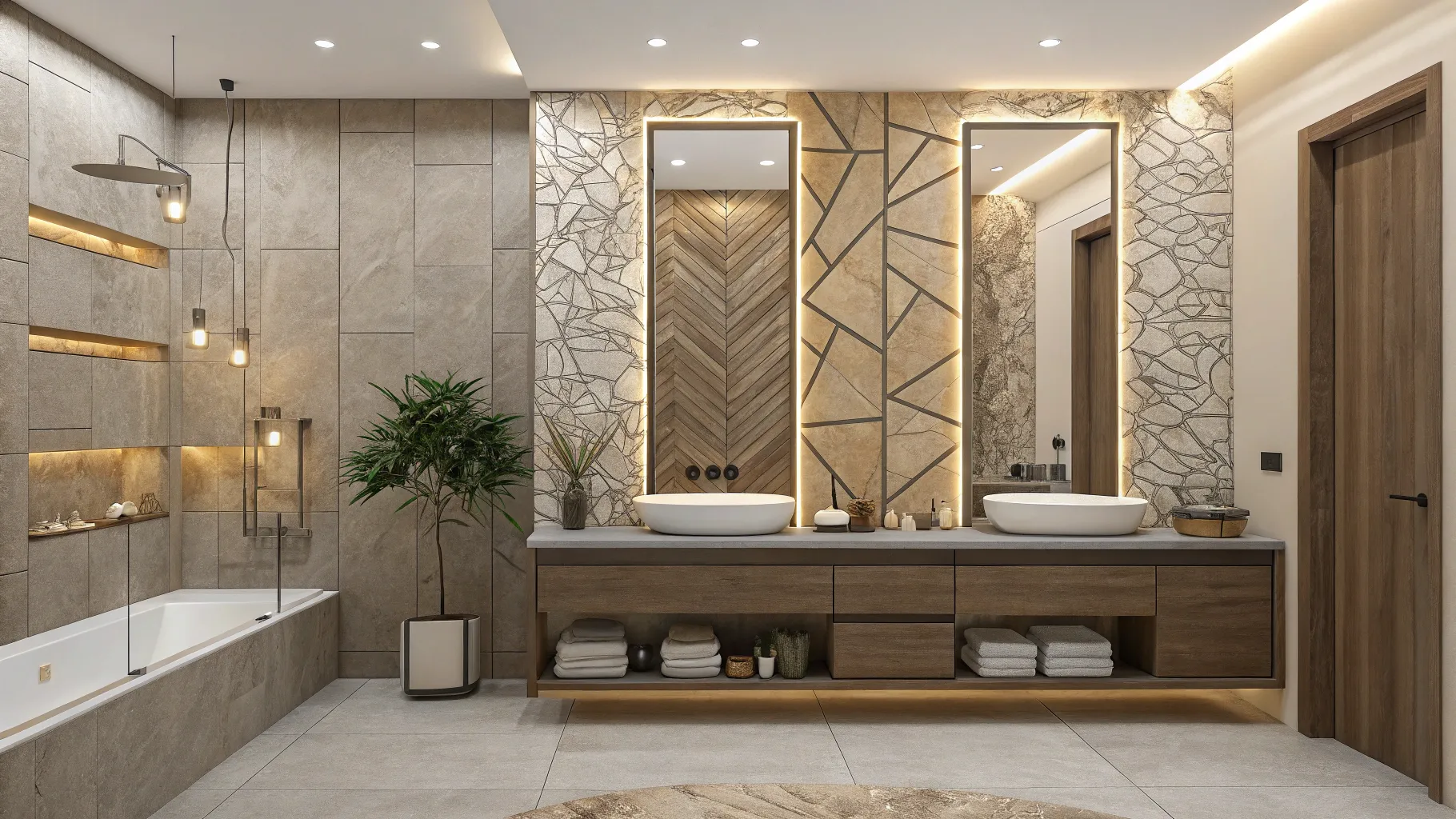
Recently, a growing trend has emerged, particularly in 2025, with consumers opting for these panels due to their seamless installation capabilities and ease of maintenance compared to conventional tiling. The surface of the panels is usually non-porous, which contributes to their waterproofing properties, making them perfect for the moisture-rich environment of bathrooms.
Comparison of Panels vs Tiles
When deciding between bathroom wall panels and tiles, several key differences emerge that may weigh in favor of the former. First off, installation: bathroom wall panels can often be installed in a fraction of the time it takes to tile a bathroom. For instance, a standard bathroom can be fully panelled in only a few hours, while traditional tiling can take days depending on the complexity of the design.
- Maintenance: Wall panels typically require less upkeep than tiles. Unlike tiles, which can develop grout stains and mold if not regularly cleaned, panels usually need just a simple wipe with a damp cloth.
- Water Resistance: Most bathroom wall panels offer superior water resistance compared to tiles, especially if they are made from PVC or acrylic materials. This characteristic plays a crucial role in preventing mold growth.
- Cost: While the initial cost of wall panels might seem higher compared to some basic tiles, the long-term savings on maintenance and installation can make panels far more cost-efficient.
Additionally, in 2025, statistics indicate that over 60% of new bathroom remodels incorporate wall panels, showcasing their popularity due to the variety of styles and finishes they offer. From sleek, modern designs to rich wood finishes, there’s a panel design to suit nearly any homeowner's taste.
Installation Process for Bathroom Wall Panels
The installation process for bathroom wall panels is relatively straightforward, making it an appealing choice for DIY enthusiasts. However, understanding the proper steps ensures a polished finish. Here’s a simplified overview of the installation process:
- Preparation: Start by cleaning the walls thoroughly, removing any loose plaster, wallpaper, or debris. Ensure the surface is dry and flat to avoid future issues.
- Measuring: Take precise measurements of your wall area to determine how many panels you will need. This step is crucial to reducing waste.
- Cutting Panels: If necessary, cut the panels to fit your space using a fine-toothed saw. This allows for a clean fit around corners and fixtures.
- Adhesive Application: Apply a suitable adhesive to the back of the panel or directly to the wall. It’s essential to use waterproof adhesive to ensure durability.
- Panel Placement: Start at the bottom and work your way up, pressing firmly to secure each panel in place. Ensure they are level as you go.
- Finishing Touches: Use a trim or molding to cover the edges for a clean look, and caulk around tub edges, corners, and joints to ensure a watertight seal.
The entire installation process can often be completed within a day, unlike tiles which can require excessive drying time and grouting. This makes bathroom wall panels an excellent choice for anyone looking to refresh their space quickly.
Waterproof Materials and Styles
One of the standout features of bathroom wall panels is the range of waterproof materials available. High-quality panels are often made from:
- Acrylic: This lightweight material is incredibly durable and resistant to fading, scratches, and moisture.
- PVC: Known for its affordability and versatility, PVC panels offer a waterproof surface that can mimic the look of tile.
- Wood Plastic Composite (WPC): For those seeking a rustic appeal, WPC provides a wood-like finish while maintaining the waterproof qualities ideal for bathrooms.
- Glass: Glass panels offer a modern aesthetic, creating a striking design element. They are easy to clean and resistant to water.
In 2025, popular styles range from classic white panels with a glossy finish to sophisticated patterned designs that resemble natural stone. Additionally, the rise of eco-friendly materials has led to the availability of sustainable options, allowing homeowners to choose environmentally conscious solutions without sacrificing style.
Cost Efficiency and Design Options
Cost efficiency is one of the prime reasons more homeowners are leaning towards bathroom wall panels. Initial costs can vary based on the material and design chosen, but overall, wall panels can save money in the long run. This is due to lower installation costs, minimal maintenance needs, and the longevity of the material. Most high-quality panels have a lifespan exceeding 20 years, far outlasting traditional tiles with proper care.
Design-wise, the options are nearly limitless. In 2025, homeowners can find panels in a wide spectrum of colors, textures, and finishes, allowing for complete customization. Whether your bathroom embraces a minimalist, contemporary style or a more traditional look, there are panel designs to match. Moreover, many companies now offer the ability to create bespoke patterns or designs, ensuring that your bathroom remains unique and personal.
As you navigate your remodeling choices, remember that investing in bathroom wall panels can create a stunning, practical, and cost-effective solution for any homeowner looking to upgrade their space.
Authored by FreshLifeWire team